Dried Scallop (Conpoy): The Umami Brick of Cantonese Broths
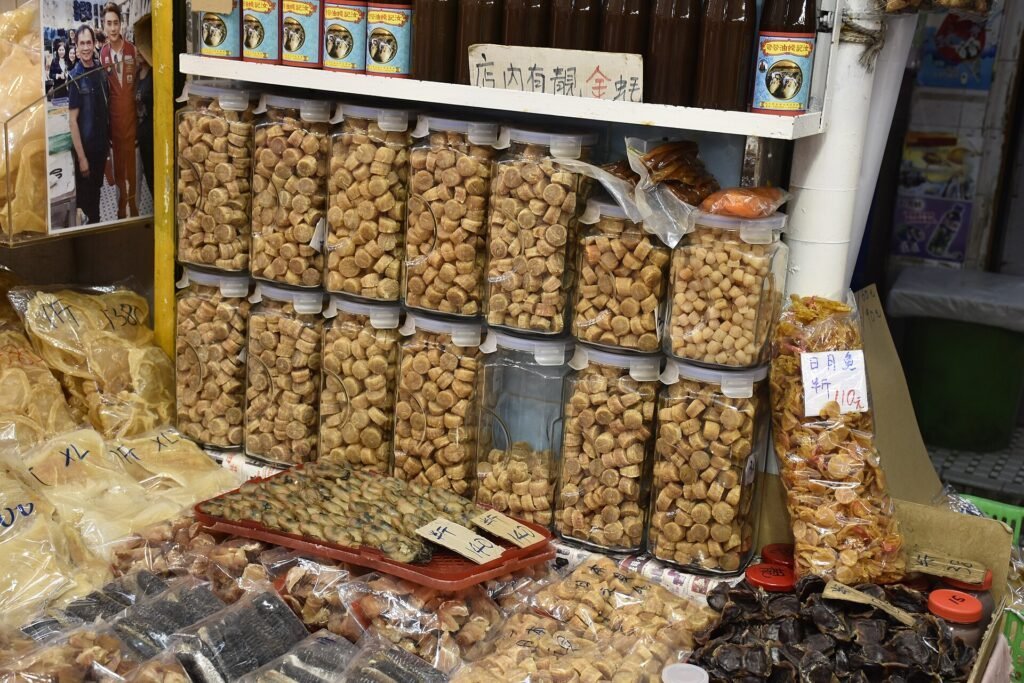
A Cantonese dried-goods shop smells briny, sweet and faintly of a beach at low tide, and most of that smell comes from one shelf: the conpoy. Walk past the baskets of dried shrimp and cuttlefish, and you reach the trays where the scallops are laid out by size like coins in a dealer’s case, amber through to near-black, some still gritty with sand. Nobody touches them without asking. The first time I did, the woman behind the counter lifted one to my nose instead of answering my question, which told me more than the price tag did.
Conpoy is also among the most badly used pantry items I know, which is the part I care about. Conpoy dropped into cold water for ten minutes and then fished out contributes almost nothing. Conpoy soaked, steamed, shredded and returned to a broth with its own soaking liquid is a different ingredient entirely. This guide is about closing that gap.
From the seabed to a shelf-stable brick
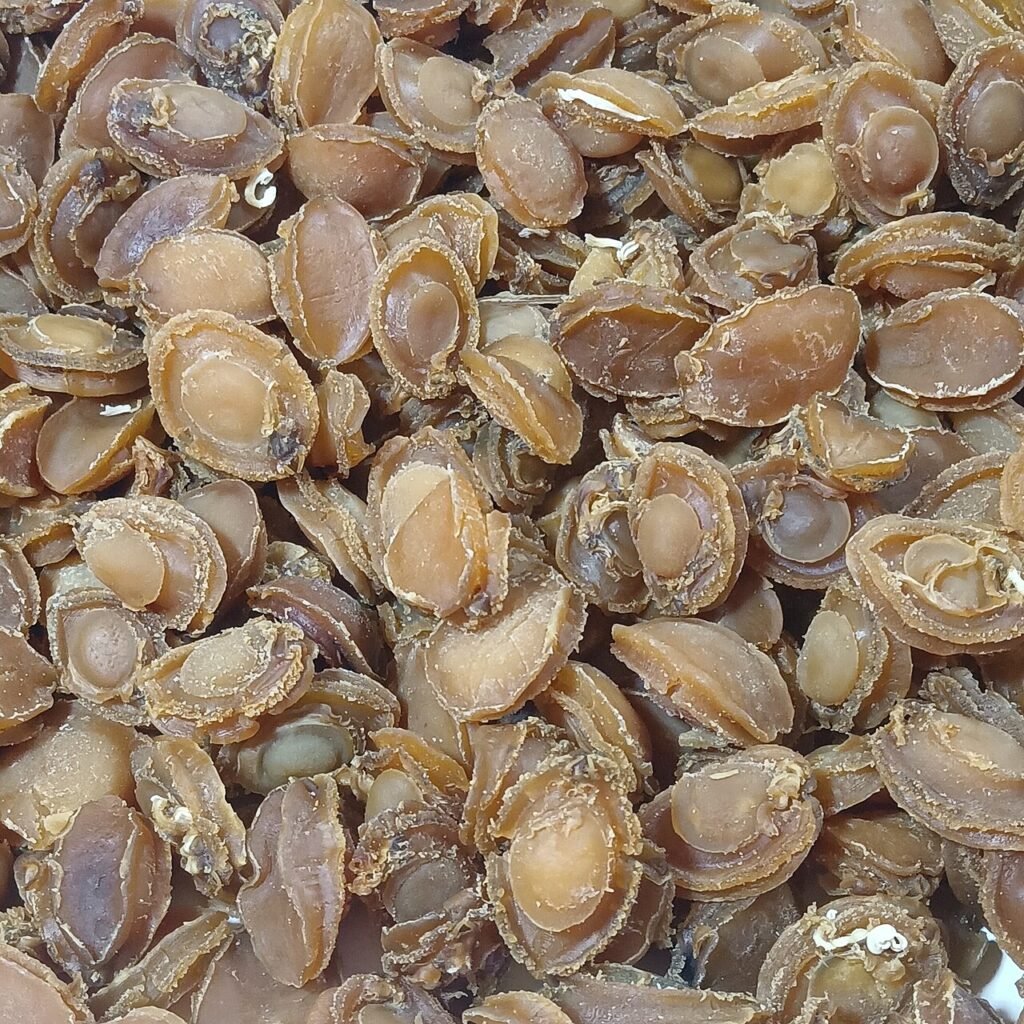
Conpoy is the adductor muscle of a scallop, steamed or blanched briefly and then dried until it is hard as a pressed pellet and rattles in the bag. As the Wikipedia entry on conpoy notes, the name itself is a Cantonese romanisation of the Chinese for dried scallop, which tells you where the tradition lives. Fresh scallop meat is roughly eighty per cent water; drying concentrates the glutamates into something with more savoury depth per gram than almost anything else in Chinese cooking. Cantonese cuisine — one of the Eight Great Cuisines — treats it as a foundation rather than a garnish, which is the right way round.
The drying also changes the fibres. A fresh scallop is sweet and soft; a dried one, once rehydrated, breaks into fine, feathery strands rather than a solid piece. That shredding behaviour is not a defect. It is why conpoy dissolves into soups and sauces instead of sitting in them, and it is the reason the dish and the brick need to be understood as two stages of one ingredient.
Grades, sizes and what the numbers on the bag mean
Dried seafood shops grade conpoy mostly by head count: the number of pieces per 500 g (older traders still say per jin). Thirty-head means thirty large pieces in half a kilo; eighty-head means eighty small ones. Bigger pieces generally mean deeper flavour in each one, fewer fibres, and a steep price curve — the top Japanese grades cost several times what ordinary Chinese conpoy does. Dalian, in northeast China, produces well-regarded mid-range scallops that I consider the sensible home standard.
Colour and smell tell you more than size. Good conpoy sits between amber and deep gold, with dry, slightly crusted surfaces and intact edges. Chalk-white pieces should make you pause — over-white colour can indicate bleaching. The smell test is simple: it should read sweet, briny and oceanic, never ammoniated. A whiff of ammonia means the drying or the storage failed, and no amount of soaking will rescue it.
My soaking and re-steeping routine
This is the part most recipes compress into a single line, and I think that line wastes money. Here is my full routine. Rinse the pieces under cold water to remove dust. Soak them in cold water — two to three hours for small pieces, up to overnight in the fridge for large ones — using just enough water to cover. Then, and this is the step people skip, steam the scallops in their soaking liquid for twenty to thirty minutes, or simmer them gently if the liquid is destined for the same soup. You are not rehydrating alone; you are extracting.
Every drop of that liquid now carries glutamates, so it goes straight into the dish. Shred the softened scallops along their fibres into fine threads — a fingernail works better than a knife — and return them where the flavour should be visible. A workable starting ratio is two medium pieces per litre of stock: enough to register, not enough to muddy. More is not better; conpoy overdone tastes faintly fishy in a way fresh scallop never does.
Where conpoy earns its keep
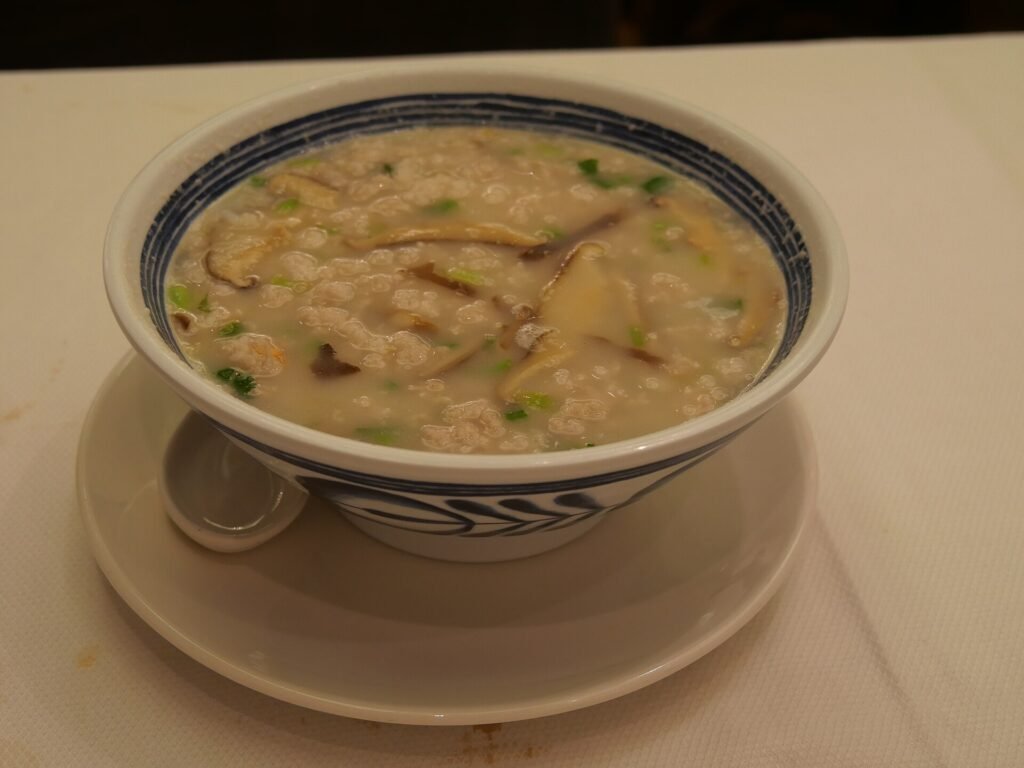
The obvious use is broth. Winter melon soup, seafood congee, steamed pork with salted fish — anywhere a Cantonese cook wants depth without weight, conpoy goes in early and quietly. But the modern fame comes from XO sauce, where shredded conpoy is fried with dried shrimp, garlic, ham and chilli into the most expensive condiment in most kitchens. Get the chilli side right first — everything you need to know about dried chili is in its own guide — because the sauce lives or dies on that balance. Many home versions lean on fermented black beans too; I have written all about chinese black bean sauce if you want the background.
Once a jar of XO sauce exists, everything becomes a delivery vehicle. I toss it through Easy Chow Mein, spoon it over steamed rice, and dab it onto plain blanched greens when the fridge is empty. That is the practical magic of conpoy: cook it properly once, and you have banked the flavour for weeks.
There are quieter uses too, and they suit the expensive top grades better than frying does. Lay a whole softened piece on top of a mound of minced pork and steam it for fifteen minutes; the pork renders, the scallop weeps savoury juice down through the meat, and you have dinner from about four ingredients. Or push one piece into the middle of a claypot of rice ten minutes before it finishes, where it perfumes the steam and turns up, shredded, as the best hidden thing at the table.
Grades at a glance
| Signal | What to look for | How it behaves in the pot |
|---|---|---|
| Head size 30–50 | Large, whole pieces, often Japanese | Deep, sweet flavour; shreds into long feathery strands; pricey |
| Head size 60–80 | Medium pieces, often from Dalian | The sensible home grade; reliable, forgiving, fair value |
| Chalk-white colour | Uniform pale surface | Possible bleaching; flavour flat, sometimes soapy |
| Amber to deep gold | Dry crust, intact edges | Concentrated, clean; what every recipe assumes |
| Ammonia smell | Sharp, off-putting | Storage failed; discard, do not soak and hope |
Storage and buying
Conpoy keeps well, but “well” depends on the container. In a sealed jar in the fridge it holds for six months to a year; in the freezer, longer. Never leave it loose in a cupboard in a humid climate — the surface sugars will weep and clump, and insects find dried seafood irresistible. The white powder that sometimes appears on otherwise sound pieces is crystallised sugar and salt from the drying process; it wipes off with a damp cloth and means nothing worse than an honest product.
I organise my dry-goods shelf by job, and conpoy anchors the savoury end of it. The sweet end belongs to the other sauces entirely: my Chinese Plum Sauce Guide explains what I keep that for, and my Chinese Sweet Chilli Sauce explained piece covers the dipping-jar side of life. Keeping the two zones apart matters, because conpoy’s whole job is savoury depth, and a sugary neighbour in the jar tends to end that career.
Playing well with other dried things
Conpoy is not the only dried ingredient doing this work, and knowing the neighbours helps you choose. Dried shiitake — I have written how dried shiitake mushrooms is really done separately — brings a darker, earthier depth that pairs beautifully with conpoy in vegetarian-leaning broths, where the two together stand in for meat stock. Dried shrimp is brinier and cheaper, more of a shout than a hum; my notes on dried shrimp scallops cover that overlap in detail.
The pattern across all of them is the same: soak, use the soaking liquid, and treat the ingredient as a concentrate rather than a piece of food. Conpoy is simply the most expensive member of the family, which means it is also the one where careless handling costs the most. Learn the routine on dried shrimp, then apply it where it counts.
Frequently Asked Questions
Do dried scallops go off?
Eventually, yes. Sealed and refrigerated, six months to a year is comfortable; frozen, longer. The failure smells like ammonia long before anything looks wrong, so trust your nose over the calendar.
What are the white marks on my conpoy?
Usually crystallised sugars and salts surfacing from the drying process. Wipe them off and carry on. Only worry if the colour underneath is unnatural white or the smell is off.
Can I eat conpoy straight from the bag?
Technically it is cooked, but at that hardness it is more chewing exercise than food. A quick steam transforms it; there is no reason to suffer.
How many pieces do I need for a pot of soup?
Two medium pieces per litre is my baseline, steamed with their soaking liquid and everything returned to the pot. Halve that for delicate clear soups, double it only if the broth must stand up to strong ingredients.
Is conpoy the same as dried shrimp?
No. Both are umami concentrates, but conpoy is sweet, subtle and feather-fine, while dried shrimp is salty, assertive and gritty. They can share a pot — XO sauce proves it — but they are not interchangeable.