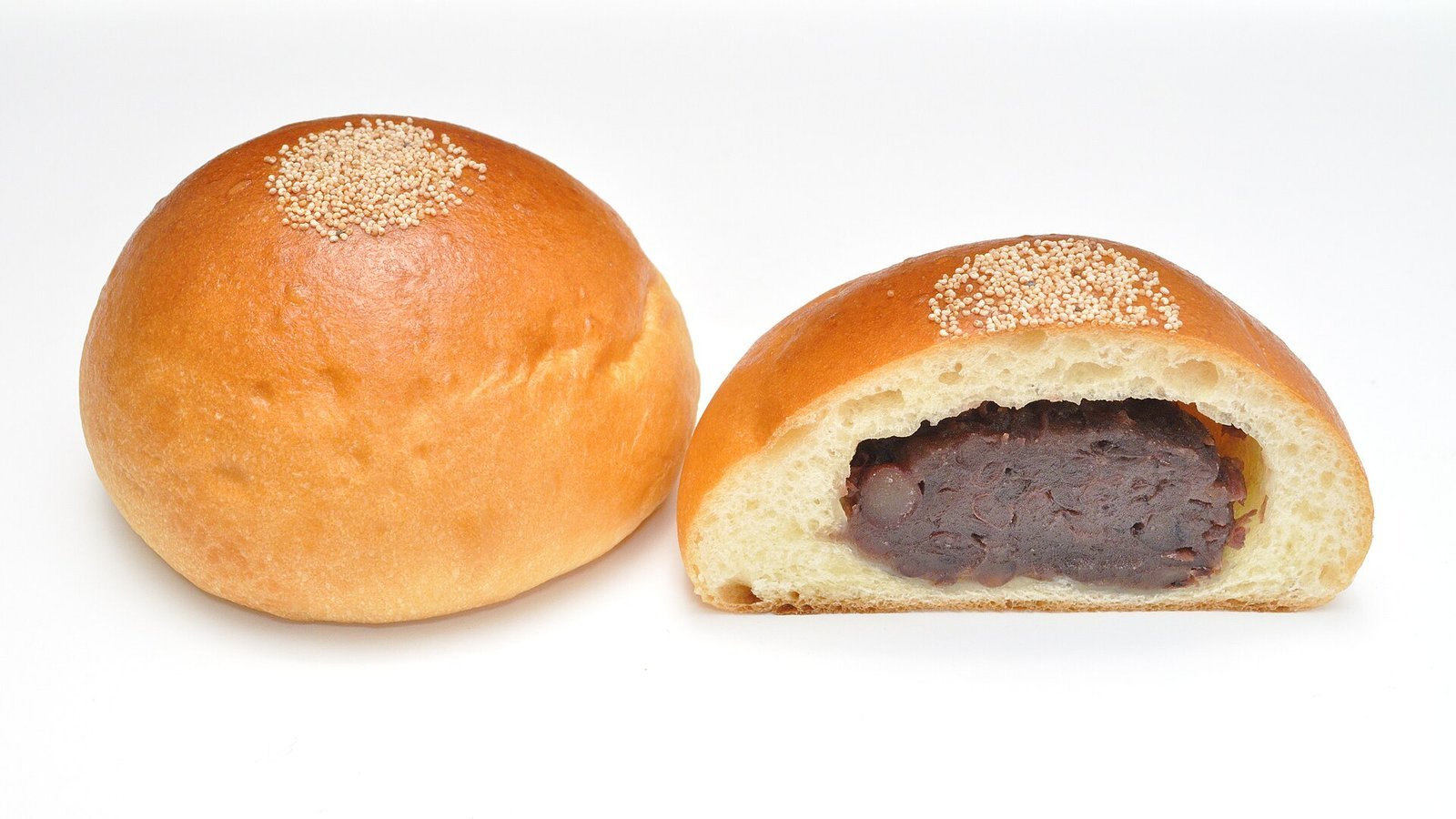
Red Bean Paste: The Filling Inside Everything Sweet
Stand in the baking aisle of a decent Chinese supermarket and you will meet a decision the label will not settle: smooth or grainy. Two tubs of red bean paste can sit side by side, both dark, both sweet, and behave completely differently. One spreads like chilled ganache. The other drags, streaked with skins, almost gritty. Buy the wrong one for mooncakes and the filling tears the pastry; buy the wrong one for a bun and nobody notices, which is its own kind of trap.
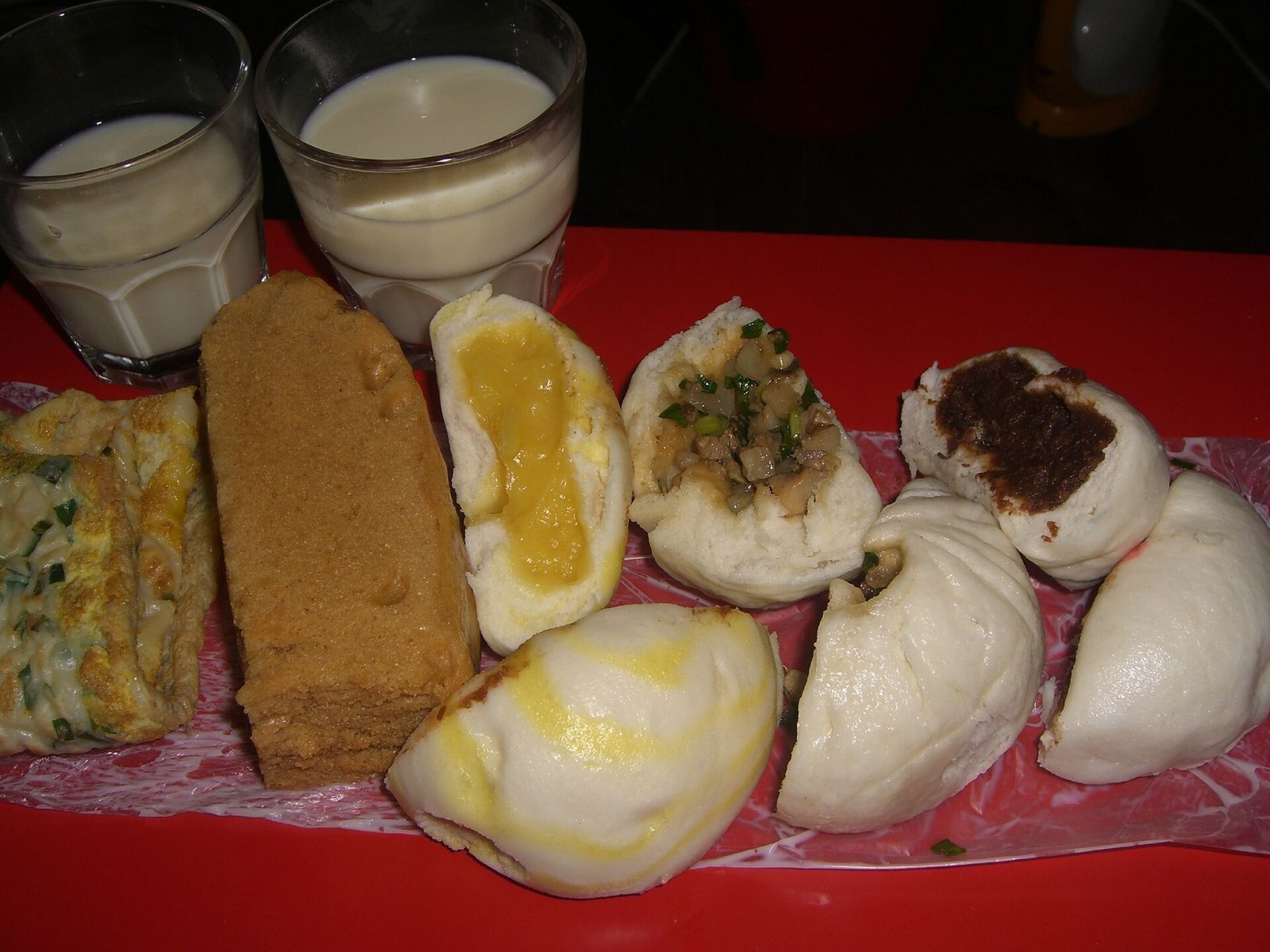
Which Texture Are You Actually Buying?
Chinese cooks sort red bean paste into three grades, plus a fourth that arrives in a tin. The differences are not cosmetic: they come down to one step, whether you remove the skins.
| Type | Chinese name | Texture | Skins | Typical use |
|---|---|---|---|---|
| Smooth | xi sha | Silky, dense, sliceable | Removed by sieving | Mooncakes, tang yuan |
| Chunky | dou sha | Soft, faintly grainy | Left in | Buns, pancakes, toast |
| Whole-bean | mi hong dou | Beans intact, syrupy | Whole | Toppings, tong sui |
| Tinned | varies | Often gluey or loose | Varies | Emergencies |
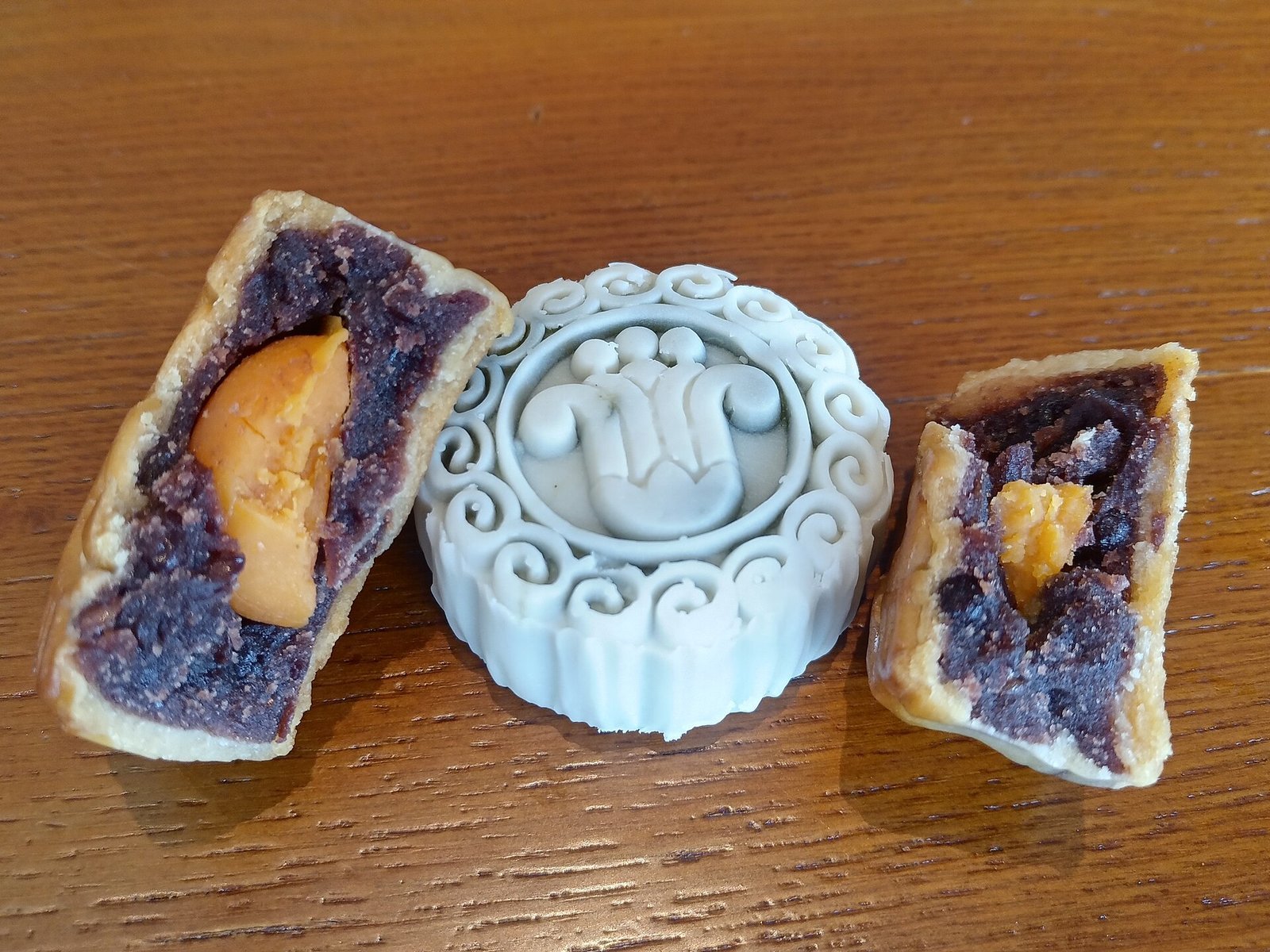
Smooth paste, sometimes written xi dou rong, is the prestige grade. The cooked beans are pushed through a fine sieve so only the seed cotyledons pass through; the skins stay behind. The result is a filling that can be rolled around a salted egg yolk and pressed into a mooncake mould without a single grain catching. It is also the most work, and the yield is poor — you lose a meaningful fraction of the bean weight.
Chunky paste keeps the skins, so it keeps more texture and more of the bean’s own flavour. It is what most home cooks make by default and, frankly, what most steamed bao use. Whole-bean is barely a paste: beans simmered tender, then glazed in syrup until they shine. The tinned version is its own argument, and I will deal with it shortly.
From Dry Bean to Paste: The Method
The core process has not changed in centuries — Wikipedia’s entry on red bean paste traces the same basic sequence across Chinese, Japanese and Korean sweets — and every shortcut you will be sold is a variation on it. Five steps. None is difficult; two are tedious.
First, soak. Rinse 300 g of dried adzuki beans, cover with cold water by at least 5 cm, and leave for 6 to 8 hours, or overnight. Soaked beans cook evenly; unsoaked ones give you a pot half soft, half gravel. Forgot to soak? A 20-minute boil, a drain and a fresh start with cold water roughly rescues things.
Second, simmer. Drain, return to the pot with fresh water at roughly 3 parts water to 1 part soaked beans, bring to the boil, then drop to the barest simmer for 60 to 90 minutes, lid ajar, until a bean crushes effortlessly between two fingers. Skim the grey foam in the first ten minutes; it dulls the colour. Add nothing yet — sugar firms the skins and slows the softening.
Third, decide your texture. For chunky paste, mash the beans in the pot while they are hot. For smooth paste, work them through a fine sieve, pressing with the back of a ladle; the skins stay behind. About fifteen minutes for a 300 g batch, and my forearm knows it the next morning.
Fourth, sweeten and fry down. This is where paste becomes paste.
Sugar, Oil and the Long Stir
Put the beans into a wide, heavy pan — wide, because evaporation is the point. Add sugar and oil, then stir over medium-low heat for 20 to 40 minutes until it thickens, pulls away from the pan and glops off the spatula instead of running.
The ratios that have worked for me: for 300 g of dried beans, 180 to 240 g of sugar and 50 to 80 ml of neutral oil. Sugar below about 150 g and the paste will not hold its shape; it turns wet and weepy inside sealed pastries. Commercial mooncake paste runs even sweeter — sugar is a preservative, and a bakery needs the filling to survive a fortnight on a shelf.
On oil: traditional Cantonese cooks use lard, and lard gives a rounder, softer finish that butter cannot quite copy. I use neutral oil most weeks and lard for mooncakes. Butter behaves oddly here: its water fights the fry-down and the milk solids brown too early.
One blunt opinion: if you want flavour without plain white sugar, red dates are the traditional partner. Simmer a handful of pitted dates with the beans for a caramel edge that reads as deeper sweetness; the full thinking is in my Chinese Red Date Guide. And do not swap sugar for honey here — honey burns at exactly the temperature the fry-down needs.
Tinned Paste, Lotus Paste and the Rest of the Shelf
The tin is not the enemy, but it lies to you. Commercial paste is cooked to a lower concentration — more water, more sugar, sometimes added starch — because that survives shipping. Straight from the tin it is either gluey, from the starch, or loose and syrupy, from the water. Both are fixable: fry it down for 10 to 15 minutes and it approaches homemade respectability. Just never use it uncooked as a filling for anything sealed. I learned that with a batch of tang yuan that dissolved into the cooking water, leaving me sweet grey soup.
The tubs next to it belong to a wider family of Chinese sweet pastes. Sesame paste — the black, intensely nutty kind, not tahini — sits at the opposite end of the flavour scale, and my Chinese Sesame Paste explained piece covers what changes. Lotus paste, lian rong, is the other mooncake heavyweight: pale, made from lotus seeds, smoother still and usually pricier. A different product, not a substitute.
And then there is the savoury shelf, because Chinese bean products run in both directions. Black beans, fermented and salted, become the punchy base in my all about chinese black bean sauce explainer — a different universe from the sweet paste in front of you. Sweet bean sauce, tianmianjiang, is the middle ground: the fermented, sugary backbone behind Hoisin Sauce, which is why hoisin tastes sweet and savoury at once. Knowing where it sits among these stops the classic mistake of grabbing the wrong jar. I once watched someone do it with great confidence. They made a dessert with hoisin. Memorable.
Two Failures, Honestly Recorded
The first was scorching. I fried down a batch over medium-high heat because I was impatient, and the sugar caramelised unevenly — burnt streaks through an otherwise fine paste, a flavour like toasted ash. No saving it. The fix is boring: medium-low heat, a heavy pan, constant scraping, especially in the final ten minutes when the risk peaks. If it starts catching, you have ten seconds to get it off the heat and stir furiously.
The second taught me the sugar lesson above. I made a deliberately low-sugar paste — about 40 per cent of the bean weight — and used it in mooncakes. Beautiful flavour. But the filling wept syrup into the pastry over two days, leaving soggy bottoms and a greasy ring on the plate. Sugar is not only sweetness here; it is structure and preservation. Low-sugar paste is fine eaten within a day. For anything that sits, be honest about the ratio.
Keeping It: Fridge, Freezer and Sugar Math
Storage follows directly from the sugar content. A properly fried-down paste — heavy, glossy, holding a spoon-track for a couple of seconds — keeps in an airtight tub in the fridge for 7 to 10 days. Press baking paper onto the surface to stop a skin forming. On the low-sugar side, treat 4 or 5 days as the limit and watch for any sour smell.
The freezer is where this ingredient earns its keep. Paste freezes for up to 3 months; portion it into 150 g or 200 g flattened packs so it defrosts in an hour on the counter. The texture recovers almost completely, because the fry-down already bound the water and oil. Whole-bean glazed versions freeze less well — the syrup turns grainy — so eat those fresh. And never dip a wet spoon into the tub: tap water is enough to start mould at the surface.
Where the Paste Ends Up
By now you have a tub of the stuff, so what to do with it? Almost anything Chinese and sweet. Mooncakes are the flagship — smooth paste around a salted egg yolk, pressed into wooden moulds, baked until the pattern turns golden. Tang yuan take it as small, chilled balls inside glutinous rice dough. Steamed dou sha bao use the chunky grade, and so do Japanese-style dorayaki pancakes, which borrow the same idea as anko.
The savoury side sneaks in through zongzi. Sweet alkaline zongzi hide a stripe of red bean paste inside plain rice, while their savoury cousins go in entirely other directions — pork belly, salted yolk, and fillings closer to the territory covered in how bamboo shoots is really done. Same leaf, opposite filling. If you have ever read everything you need to know about fermented bean curd, you know Chinese cooking trusts beans in both sweet and savoury roles; red bean paste is simply the sweet end of that trust.
For the dessert-soup route, the whole-bean grade floats directly in chinese red bean soup — a different product: no fry-down, no oil, just beans sweetened in liquid. If you would rather eat the paste inside bread, the classic vehicle is the red bean bun. Beyond that, Hong Kong-style bakeries pair it with butter on thick toast, and the whole context is laid out in my Hong Kong Food guide. Once you start seeing it, you notice the filling inside everything sweet on the shelf.
Frequently Asked Questions
Can I use a food processor instead of sieving for smooth paste? You can, but it is not the same. A blender shatters the skins into fine fragments that stay suspended, so the paste reads dusty rather than silky. My compromise: blitz coarsely, then pass the purée through the sieve once.
Why is my homemade paste gluey or stringy? Two usual suspects. Under-cooking at the fry-down leaves too much water, so the starch goes slick rather than dense. Over-processing is the other — blitz chunky paste hard and the ruptured starch turns it elastic. Fry down longer, stir less violently, and stop while it still looks slightly soft.
How much sugar should I really use? Between 60 and 80 per cent of the dried bean weight if the paste must hold shape inside sealed pastries or keep for more than a week. Around 40 to 50 per cent if you are eating it within a few days. Taste at the end of the fry-down, not before — perceived sweetness changes as the water leaves.
Is red bean paste the same as Japanese anko? Same bean, same idea, different finishing culture. Anko is usually sieved for smoothness (koshi-an) or kept chunky (tsubu-an), and often finer and sweeter than mainstream Chinese chunky paste. For cooking purposes they are interchangeable.
Can I freeze red bean paste? Yes. Flattened 150 to 200 g portions defrost in about an hour and return to almost their original texture. Keep it airtight, use it within 3 months, and do not refreeze.