Wonton Soup Recipe with Clear Broth
Fact-checked and reviewed 31 October 2026 · China Food Way editorial team
The noodle shop was on a street corner in Guangzhou, and it had been there long enough that the tiles had gone the colour of weak tea. I sat at a marble-topped table — every Cantonese noodle shop seems to have the same marble table — and ordered what everyone else was eating: a bowl of wonton noodles. What arrived was a bowl of springy thin noodles with four wontons sitting on top like pale pink parcels, in a broth so clear I could see the pattern on the bottom of the bowl. The wontons themselves were the revelation: the skin was almost translucent, and it gave way to a filling that was mostly pork and shrimp, seasoned with what tasted like nothing more than a little white pepper and sesame. It was my first lesson in a dish I had eaten a hundred times in Britain without ever having tasted it — the version I knew had been a thick, cloudy soup with dumplings the size of golf balls. This was the original, and the difference between the two is the difference between a copy and a painting.
How thin should the wrapper be, and why does it matter so much?
Thin enough to read newsprint through, which for a shop wrapper means roughly 0.5 millimetres against the 1.5 millimetres of a jiaozi skin. The thinness is not fussiness: a wonton wrapper is built to soften and almost dissolve in broth, so the filling stays the point and the skin becomes a delicate sail around it. Cantonese versions use egg and alkaline water, which is why they are both yellower and more slippery than the wheat-and-water dumpling skins used for boiling and dipping. I buy them fresh and use them the same day, because a day-old wrapper dries at the edges and cracks when you pleat it. A thick skin turns the whole thing into a dumpling.
Wontons Are Not Dumplings
This is the distinction that organises everything else. A wonton — 云吞 (yun tun) in Cantonese, 馄饨 (hun tun) in Mandarin — is a dumpling in the same way that a violin is a guitar: related family, completely different execution. Three things separate them.
The skin. Wonton wrappers are thinner than dumpling wrappers, and the Cantonese versions are thinner still — made with egg and alkali water, sometimes so fine that a shopkeeper will warn you to buy them the same day. Dumpling skins (jiaozi) are comparatively thick and chewy, built to survive boiling and to be dipped; wonton skins are built to dissolve.
The filling. Wonton fillings are usually predominantly pork with a proportion of shrimp, seasoned lightly — soy, white pepper, sesame oil, sometimes a little sugar — and worked until sticky. Dumpling fillings are more heavily seasoned, more varied, and often include vegetables in quantity.
The folding. Dumplings are pleated into shapes that hold a relatively large volume of filling; wontons are folded into compact shapes that seal quickly and cook in two minutes. The classic Cantonese fold produces something that looks, when done properly, like a gold ingot or a folded letter — and the folding is the skill the whole dish is built around.
The relationship to my guide to Chinese dumplings is one of cousins rather than identity: the same idea of a filled parcel, evolved for a different climate of taste — Cantonese restraint, where the filling is a seasoning and the broth is the dish.
The Filling
For a home bowl, the classic ratio is roughly two parts pork to one part shrimp, and the pork should have some fat in it — lean pork produces a dry filling, and dryness is the characteristic failure of home wontons. The proportions below make about thirty wontons, which serves four as a light meal or two as a serious one:
| Component | Amount | Role |
|---|---|---|
| Minced pork (20% fat) | 250g | The body of the filling |
| Raw shrimp, peeled, deveined | 120g | Sweetness and a firmer bite; chop half, leave half whole |
| Light soy sauce | 1 tbsp | Salt and savoury depth |
| Sesame oil | 1 tsp | Aroma — finishing, not cooking |
| White pepper | ¼ tsp | Warmth; the only spice in the classic version |
| Sugar | ½ tsp | Rounds the edges, barely perceptible |
| Cornflour | 1 tsp | Binds the filling so it does not crumble |
| Egg white | 1 | Optional; makes the filling silkier |
| Dried flounder powder (optional) | A pinch | The traditional shop secret, for depth |
The critical technique is 打胶 (da jiao) — stirring the filling in one direction against the bowl until it becomes sticky and elastic. This is not busywork: a filling that has not been worked will fall apart in the pot, and one that has been worked properly bounces. Three to five minutes of continuous stirring, and the test is simple — the mixture should cling to the chopsticks and pull away from the bowl in one piece. If you have a stand mixer, two minutes on low speed with the paddle achieves the same thing.
Do I need to seal the wonton with water or egg wash?
Water is enough for a wonton, and egg wash is usually a mistake. Brush a bare smear of water along two edges of the square, press out the air around the filling, and fold; the wrapper’s own starch and egg make a seal that holds through boiling. Egg wash is thicker than the skin and can leave a pale, rubbery seam you can taste. Work with a scant teaspoon of filling, because overfilled parcels burst at the corners, and keep a damp cloth over the wrappers you are not using, since they dry and curl within minutes. Seal the air out rather than squeezing the filling flat.
The Folding Method
Lay a wonton wrapper flat in your palm and place a teaspoon of filling slightly below centre. The Cantonese fold is fast once learned, and it is worth learning properly rather than approximating:
1. Seal the diagonal. Fold the wrapper corner-to-corner into a triangle, pressing out the air. The filling should sit in a compact lump, not smeared across the wrapper.
2. Bring the corners together. Wet one fingertip and dab the two opposite corners of the triangle’s long edge. Draw them together and press to seal, so the wonton takes on the shape of a small ingot — a rounded body with a nub at the top. This shape is not decoration: it creates a thick centre that stays juicy and thin edges that cook through in two minutes.
3. Work fast. Wonton skins dry out quickly, especially the thin Cantonese kind. Keep the stack under a damp cloth, take one at a time, and do not attempt the elegant slow pleating of a jiaozi — the wonton wants speed.
If the wrappers tear, you have either overfilled or let them dry out. A teaspoon of filling per wrapper is the ceiling, not a suggestion.

The Broth
The broth is where the dish is won or lost, and the Cantonese standard is a clear, faintly sweet pork-and-seafood stock. A good shop builds it from pork bones, dried flounder (the traditional flavouring, a small piece of which gives the broth a smoky depth), and sometimes shrimp shells, simmered gently for two hours and strained until it is amber and perfectly clear. The clarity comes from discipline: never a rolling boil, and a skimming every twenty minutes for the first hour.
The shortcut that works is a good chicken stock, augmented with a small piece of dried flounder or a spoon of the dried-mushroom soaking liquid from any dried shiitake you have in the cupboard. What does not work is a stock cube alone — the broth of a wonton noodle bowl is drunk, not merely eaten, and it carries the whole dish. The tradition it belongs to is the same Cantonese clarity I describe in my Cantonese cuisine guide: the stock is the seasoning, and everything else is texture.
Should the wontons go into the broth or into plain water?
Cook them in a separate pot of plain boiling water, then lift them into the hot broth to serve. Dropping raw wontons straight into your carefully clarified stock clouds it with loose wrapper starch, and you lose the see-through quality that defines the dish. Boil for three to four minutes until they float and the skins turn translucent, drain them briefly, and add them to bowls of broth that has been heated on its own. I keep the broth at a bare simmer, never a rolling boil, so the delicate skins do not shred. The one exception is wonton noodles, where the noodles and wontons share the pot by design.
Cooking and Serving
Bring a wide pot of water to a gentle boil. Lower the wontons in one at a time so they do not stick, and cook for two to three minutes — they are done when they float and the skins turn translucent. Meanwhile, warm the serving bowls and heat the broth. The classic service is a bowl of noodles with the wontons on top, or the wontons in one bowl and the noodles in another; either way, the noodles are thin, springy, and briefly blanched — thirty seconds, no more — because they are meant to be a counterpoint rather than the substance.
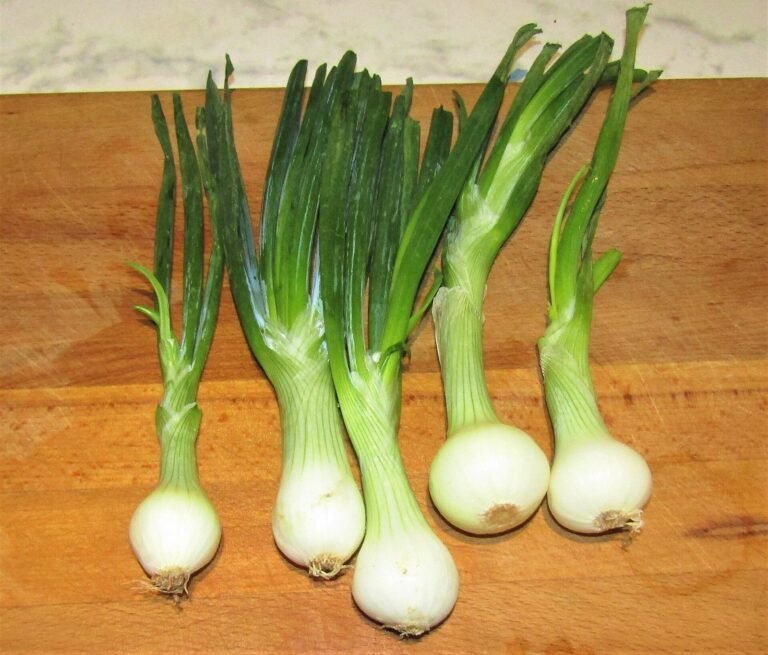
Finish with a few threads of spring onion on top, cut extremely fine, and nothing else. No chilli oil in the Cantonese version; no sesame seeds; no coriander. The dish has three flavours — pork, shrimp, and clear stock — and a fourth would be a mistake. This restraint is the same instinct that governs the food of Guangzhou, the city that invented the bowl.
Variations
Sichuan red oil wontons (红油抄手). The same parcel, folded into a different shape (the “crossed hands” fold), served not in soup but dressed with chilli oil, black vinegar, garlic and a little soy. The filling is identical; the personality is not. This version belongs to the fermented, assertive tradition of my Sichuan cuisine guide, and it is worth making both versions in the same week to feel the distance between them.
Shanghai wontons. Larger, with a thicker wrapper and more heavily seasoned filling, served in a bowl with a little seaweed and dried shrimp. Closer to the British-Chinese idea of wonton soup, and a fine dish on its own terms.
Fish wontons. A Cantonese specialty from the fishing towns: yellowtail or dace minced to a paste with a little pork, producing a filling that is almost fluffy. The paste must be beaten vigorously — the same one-direction stirring as the pork version, for twice as long.
Why did my wonton skins go slimy and fall apart?
Almost always because they sat too long in liquid that was too hot, or were boiled too vigorously. Wonton skins are thin and egg-rich, so a hard rolling boil roughs up the surface into a slimy film and eventually tears the pleats. Keep the water at a lively but gentle simmer, and never leave cooked wontons sitting in the pot while you answer the door; they carry on absorbing water and go from silky to mushy in two or three minutes. Serve them the moment they float, with a slotted spoon rather than pouring the whole pot out. Undercooked filling is the rarer problem, and only happens with overstuffed parcels.
What Goes Wrong
The skins burst — the water was at a hard boil, or the wontons were crowded, or they were cooked too long. The filling is dry — the pork was too lean, or the shrimp was cooked before going in, or the filling was under-stirred and never set. The broth is cloudy — the stock boiled, or the skimming was skipped. The dish tastes flat — the stock was weak, or the filling was under-seasoned; remember that a wonton filling is lightly seasoned but not unseasoned, and the white pepper matters more than its quantity suggests. And the wontons are heavy — too much filling, or a thick wrapper used where a thin one belongs. The whole dish is a study in doing less than instinct suggests.
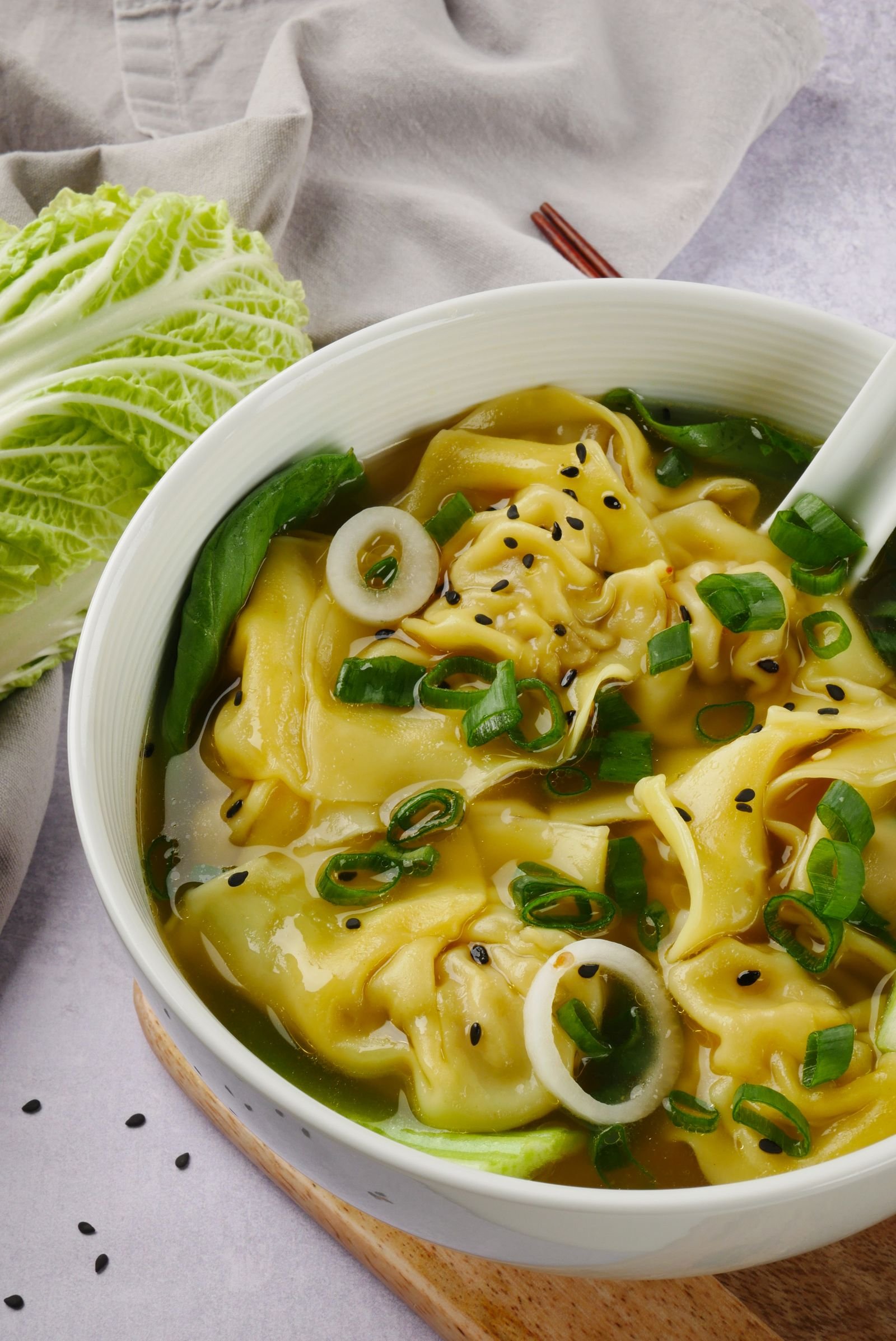
One last piece of advice, learned from a shop owner in Guangzhou who watched me photograph my bowl before eating it: eat the wontons first, while the skins are at their tightest, then drink the broth. By the time you reach the bottom of the bowl, the broth will have taken on a little of the wonton’s flavour, and it will be better than it was at the start.
Frequently Asked Questions
Can I use shop-bought wonton wrappers?
Yes — most Chinese supermarkets sell them, and they are the only practical option outside a Chinese city. Buy the thinnest you can find, keep them sealed until the moment of use, and work with one at a time.
Can I freeze wontons?
Freeze them raw on a tray until solid, then bag them. They go from freezer to pot with no defrosting — add two minutes to the cooking time. The broth should not be frozen with them.
What is dried flounder and where do I find it?
A dried, flattened fish (usually a type of flounder or sole) sold in Chinese supermarkets, used in small pieces to give wonton broths their characteristic depth. It keeps indefinitely and a single piece flavours many batches of stock.
Are wontons gluten-free?
Not traditionally — the wrappers are wheat. Sweet potato starch wrappers exist in some regions, but the texture is quite different. The filling itself is gluten-free if you use tamari in place of light soy sauce.
What else can I do with leftover wontons?
Fry them — a crisp wonton in hot oil for two minutes, with the same chilli-vinegar dressing as the Sichuan version, makes an excellent snack. The folding method I describe here pairs naturally with the stir-fry discipline of my kung pao chicken recipe if you want a second dish for the same meal. Questions about technique can be sent via my contact page.