Chinese Bread and Buns: Beyond the Steamed Bun
Last updated 31 October 2026 · checked by the China Food Way editorial team
The first proper Chinese breakfast I ever ate sat on a plastic tray in a Jinan back street: a squat white mantou, split and pressed flat on a griddle until the cut face blistered, two long youtiao still warm from the fryer, and a bowl of thin soy milk I did not yet know how to drink. I had come south expecting rice at every meal. Instead I found a bread culture that puts the rest of East Asia’s to shame, and almost none of it comes out of an oven.

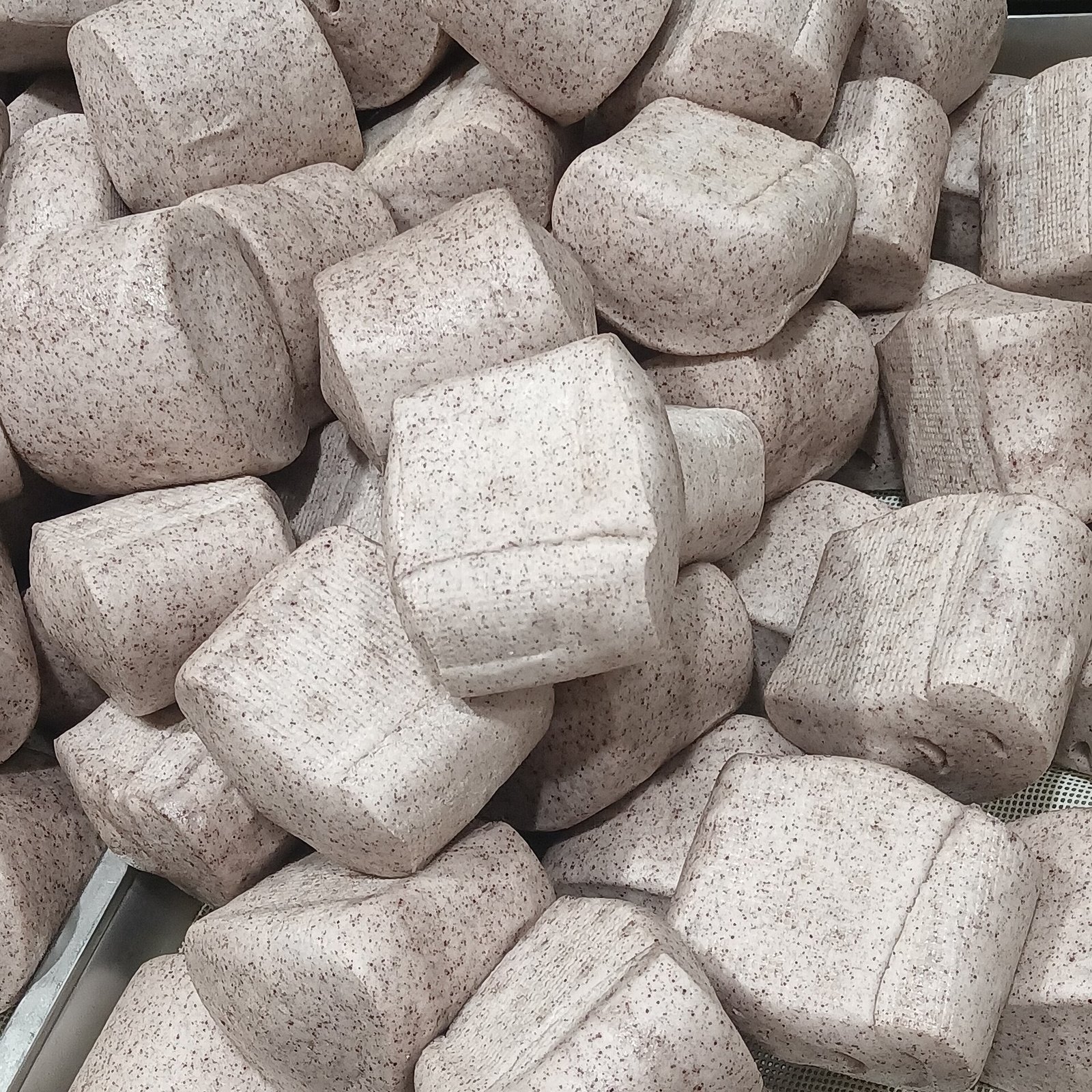
Most of what China calls bread is steamed. That single fact explains more about the country’s kitchens than a shelf of cookbooks. The north grows wheat; the south grows rice; and the line between them runs straight through the national idea of a staple. When I started cooking Chinese food seriously I assumed “bread” meant the crusty loaf I grew up with. It does not. The mantou I split that morning is closer to a plain steamed roll — no fat, no sugar, no crust — and it is the default carbohydrate for hundreds of millions of people who would no sooner finish a meal with plain bread and butter.
Why is northern Chinese bread steamed rather than baked?
Northern bread is steamed because a wok and steamer were cheaper and more forgiving than a brick oven, and a plain mantou keeps for a day in humid summer where baked bread would not. I found this out in Jinan, where the default carbohydrate was a white steamed roll, not a crusty loaf, and the kitchens simply had no oven to speak of. Steaming also needs no fat or sugar, so the bun stays neutral and soaks up braises and congee alike. The result is a dense, filling staple suited to a wheat belt, not a butter-and-lamination culture. Baking arrived later, with the caravans and the ovens they brought.
The North Runs on Wheat, Not Rice
Spend a week in Shandong, Hebei or any of the Dongbei provinces and you will notice the rice bowl shrinking. Breakfast is congee or soy milk, lunch is noodles or dumplings, and the “rice or bread?” question that structures Southern meals barely exists. Wheat arrived early and never left. What grew from it was not the loaf but the steamed bun, because a wok and a steamer are cheaper and more forgiving than a brick oven, and because a plain steamed bun keeps for a day in a way fresh baked bread will not in a humid summer.
The plain mantou is the baseline, but the family branches fast. Hua juan — flower rolls — fold the same dough with a little scallion oil or brown sugar and twist it into a spiral. Wotou are cornmeal cones that taste of hardship and nostalgia at once. And then there are the filled buns, which is where the baozi recipe I eventually learned fits: same steamed dough, different promise. I spent a month thinking baozi were harder than they are. They are not. The dough is the same; you simply close it around a filling and worry less about the pleats than the seal.
Why did my first mantou turn out like dense rubber?
Your first mantou went rubbery because the dough was either under-proofed or kneaded too little, so the gluten never relaxed into a soft crumb. I made exactly that mistake: I rushed the second rise, steamed them, and cut open pale, chewy domes that bounced. The fix is a full hour of proofing after shaping, until the buns visibly swell and feel light, plus thorough kneading so the network develops. Another killer is cold dough hitting a cold steamer — start them over simmering water so the heat rises gradually. A teaspoon of sugar feeds the yeast and helps; skip it and the crumb stays tight and bland.
Learning Mantou the Hard Way
My first attempt at mantou collapsed into a sticky paste because I treated it like bread dough and kneaded it into submission. Steamed-bun dough is softer than bread dough — about 500g of plain flour to 260g of water, 4g of instant yeast, a teaspoon of sugar — and it wants a light hand. You bring it together, let it rise until it doubles, shape it, and let it rise again for twenty minutes before it ever sees steam. The mistake everyone makes, myself included, is rushing the second rise. Steam a bun that has not relaxed and you get a tight, chewy lump with a flat top.
I now prove mine at about 30°C, covered, for forty minutes the first time and a further fifteen before steaming. The result is a bun with a torn, cloud-like interior and a faintly sweet smell that has nothing to do with sugar. The sugar is only there to feed the yeast. That detail — sugar as fuel, not flavour — was the thing no recipe told me and every northern grandmother already knew.
What is the difference between congyoubing and a plain griddled flatbread?
Congyoubing is a scallion-layered flatbread built from coiled oil-rich dough, while a plain griddled flatbread is just rolled wheat cooked on a dry disc. I learned the gap by eating both in Shandong: the plain one was a soft, bland disc, but the cong you bing shattered into flaky, scallion-scented layers because the dough was folded around oil before griddling. The layers come from coiling, not from butter or lamination, which is why the technique is forgiving but precise. The honest failure is a hard cake — that means too little oil in the coil or too high a heat that seals the outside before the inside cooks. Medium heat and generous oil give the flake.
The Griddled and Fried Family
Not everything is steamed. The griddle and the wok produce the breads I now crave most. Cong you bing — scallion pancakes — are built from a soft dough rolled around a slick of sesame oil and a handful of chopped scallions, then coiled, flattened and fried until the layers shatter. The first time I made them I used too much flour on the board and killed the stretch; the second time I left the oil out and got a cracker. A proper recipe for flaky scallion pancakes is mostly about restraint with the flour and patience with the coil.
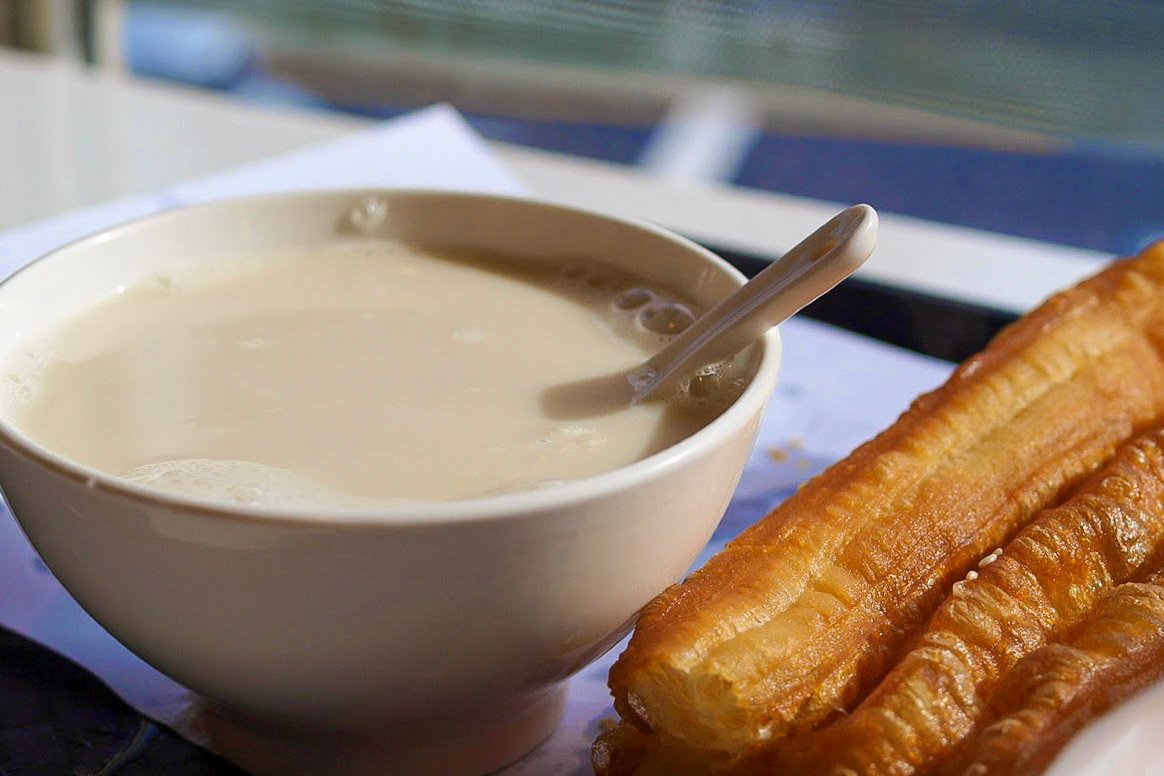
Then there is youtiao, the two intertwined strips of fried dough that are the bacon-and-eggs of the Chinese breakfast. They look simple and they are not: the dough is rested, folded and proved a second time so the strips puff rather than go greasy. Eaten dipped in sweetened soy milk or wrapped in a warm baizi, they are the thing I miss most when I am away. The fryer has to be hot and the strips have to go in relaxed, or they tighten into chewy ropes. I once dropped the temperature to save oil and pulled out something closer to fried doughnut than youtiao — edible, but not the same food.
The Oven Came With the Caravans
Head west and the bread changes shape again. In Xinjiang and the Hui communities strung along the old trade routes you find naan: rounds of wheat dough dimpled, glazed with onion water and sesame, and slapped against the wall of a tonir oven. This is the one branch of Chinese bread that really is baked, and it tastes of Central Asia because it is Central Asian. The lamb-filled naan of Xinjiang cuisine is nothing like the mantou of the east, and that is the point — the further west you go, the more the bread stops being steamed and starts being baked.
The Chinese Muslim cuisine that runs from Xi’an to Kashgar also gives us shaobing and huoshao: sesame-seeded griddle cakes with a savoury or sweet filling, cooked on a convex pan or baked against clay. These are the road foods, the pocket breads you buy from a stall and eat walking, and they are the closest thing China has to the stuffed flatbread of the Silk Road’s other end. In Xi’an I watched a shaobing maker press the filling in, seal the seam and flip the disc onto a domed pan in one motion he had clearly performed ten thousand times.
Steamed, Griddled or Baked: How They Differ
| Bread | Region | How it’s cooked | Texture |
|---|---|---|---|
| Mantou / hua juan | North & north-east | Steamed | Soft, springy, no crust |
| Cong you bing | Nationwide | Griddled in oil | Flaky, savoury, crisp edges |
| Youtiao | Nationwide | Deep-fried | Hollow, chewy, light |
| Shaobing / huoshao | Hui & north-west | Griddled or clay-baked | Crusty, layered, filled |
| Naan | Xinjiang | Clay-oven baked | Chewy, blistered, seeded |
The table hides a truth worth repeating: apart from the far west, Chinese bread is defined by what it is not — not baked, not sweet, not leavened with much more than time and a little yeast. The entry on mantou at Wikipedia puts the steamed bun’s history back more than a thousand years, which is why it feels less like a recipe and more like a habit.
How do northerners actually eat bread for breakfast?
Northerners eat bread at breakfast by splitting a mantou or flatbread and dipping or bolting it with soy milk, congee, or a youtiao alongside. I watched this in a Jinan back street at dawn: a split white mantou pressed flat on the griddle, two long youtiao from the fryer, and a bowl of thin soy milk. The bread is the handle, not the star — it carries the savoury sides and fills the gap before lunch. Baozi and congyoubing play the same role, eaten standing or on a stool. The takeaway is that breakfast bread is a vehicle for dips and pickles, never a sweet pastry with coffee.
Bread at the Breakfast Table
If you want to understand this food, eat it where the north-south divide in Chinese food is most visible — at a northern breakfast stall rather than as a restaurant side. The bun stalls open at six and sell out by nine. Mantou comes plain or fried; youtiao comes in paper; congyoubing comes hot off the griddle with the oil still singing. None of it is a performance. It is fuel, made daily, and the skill is in the repetition rather than the recipe.
At home I have stopped trying to recreate the stall versions exactly. A steamer, a non-stick pan and decent flour get you ninety per cent of the way. The rest is the habit of eating bread with savoury things — pickles, congee, a fried egg — instead of butter and jam. That single change, more than any technique, is what made Chinese bread click for me.
Frequently Asked Questions
Is Chinese bread the same as Japanese or Korean bread? No. East Asia’s baked, milk-enriched loaves are a modern, Western-influenced thing. Traditional Chinese bread is steamed or griddled, lean and unsweetened. The steamed bun is the older and far more widespread form, and it predates the bakery loaf by centuries.
Can I make mantou without a steamer? You can improvise one with a wok, a rack and a bowl, but the steam needs to circulate. A tight lid and a liner of cabbage leaves stop the buns sticking. The dough is just flour, water, a little yeast and sugar; the rising is the only part that asks for patience.
Why is youtiao always in pairs? The two strips are pressed together before frying so they stay connected and cook as one piece. Folded this way they puff into the hollow, airy stick people dip in soy milk. Pull them apart and you lose the pocket.
What is the difference between baozi and mantou? Mantou is the plain steamed bun; baozi is the same bun with a filling — pork, vegetable, red bean. Think of mantou as the dough and baozi as the dough with a job.
Where does naan fit in Chinese food? Only in the north-west. Naan is a Xinjiang and Hui bread, baked in a clay oven, and it belongs to the Silk Road kitchen rather than the Han Chinese one. Elsewhere in China “bread” still means the steamed bun.
Why does my congyoubing come out hard? Almost always too much flour on the board when you coil it, or the oil layer was too thin. The dough needs to stay relaxed enough to stretch, and the sesame oil needs to be spread all the way to the edge before you roll it up.
The Point
China’s bread is easy to miss because it is plain, and plain food is easy to mistake for simple food. It is not. The steamed bun is a piece of agricultural history, the scallion pancake a lesson in layers, and the Xinjiang naan a postcard from a different continent. Eat the bread and you have eaten the map.