Chinese Fermented Foods Guide
Last reviewed 31 October 2026 · China Food Way editorial team
The jar on the shelf of my Manchester Chinese grocer that I buy most often is a plain tub of doubanjiang, and it is the fourth time I have bought it this year. The man behind the counter has stopped asking whether I want the red or the yellow label. What he does do is glance at me when I pick up the jar, check the date, and hand over a newer one from the back without being asked, because the shop knows that a customer who buys the same jar five times a year is buying it to cook with, not to try.
That is the relationship most Chinese people have with fermented food. It is not a specialist interest. It is the flavour base of the kitchen, bought in bulk, used in small quantities, and understood by everybody who cooks.
What are the four families of Chinese fermented food?
Bean, vegetable, grain and seafood, divided by what is being fermented rather than by region. The bean group is the largest and most important: doubanjiang, douchi, fermented tofu and sweet bean paste are legumes mould-fermented into the savoury backbone of the kitchen, used a spoonful at a time. Vegetable pickles — Sichuan zha cai, northern suan cai — are the most accessible to a home cook. The grain group is the least known outside China: rice wine, rice vinegar and sweet fermented rice, possible because rice is full of starch and harbours wild yeasts and lactic bacteria. Seafood is the smallest and most pungent, the salted fish and fermented prawn paste of Guangdong, Fujian and Hainan. Place an ingredient in its group and you can guess how it behaves and how long it lasts.
Four Families of Ferment
Almost everything fermented in China falls into one of four groups, and once you can place an ingredient in its group you can guess how it behaves in a dish and how long it lasts. The division is not arbitrary. It follows the type of substrate, and the substrate determines both the method and the flavour.
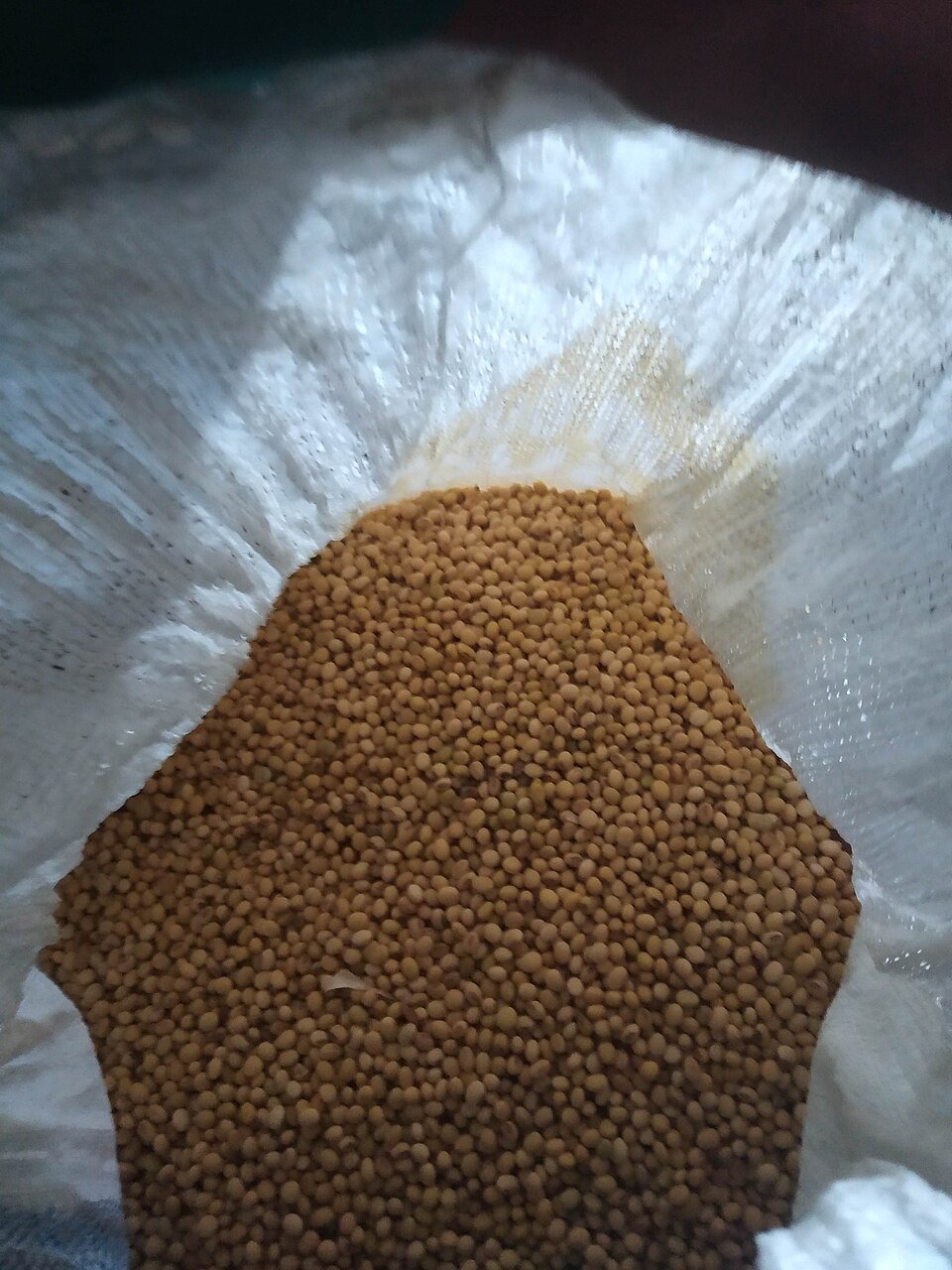
The bean group is the biggest and the most important. Doubanjiang, douchi, fermented tofu, sweet bean paste, huangdoujiang and the black bean pastes are all legumes that have been mould-fermented, and they are the backbone of the savoury side of Chinese cooking. They are used in small quantities, a spoonful rather than a ladle, and their job is to supply a depth of savouriness that no fresh ingredient can reach.
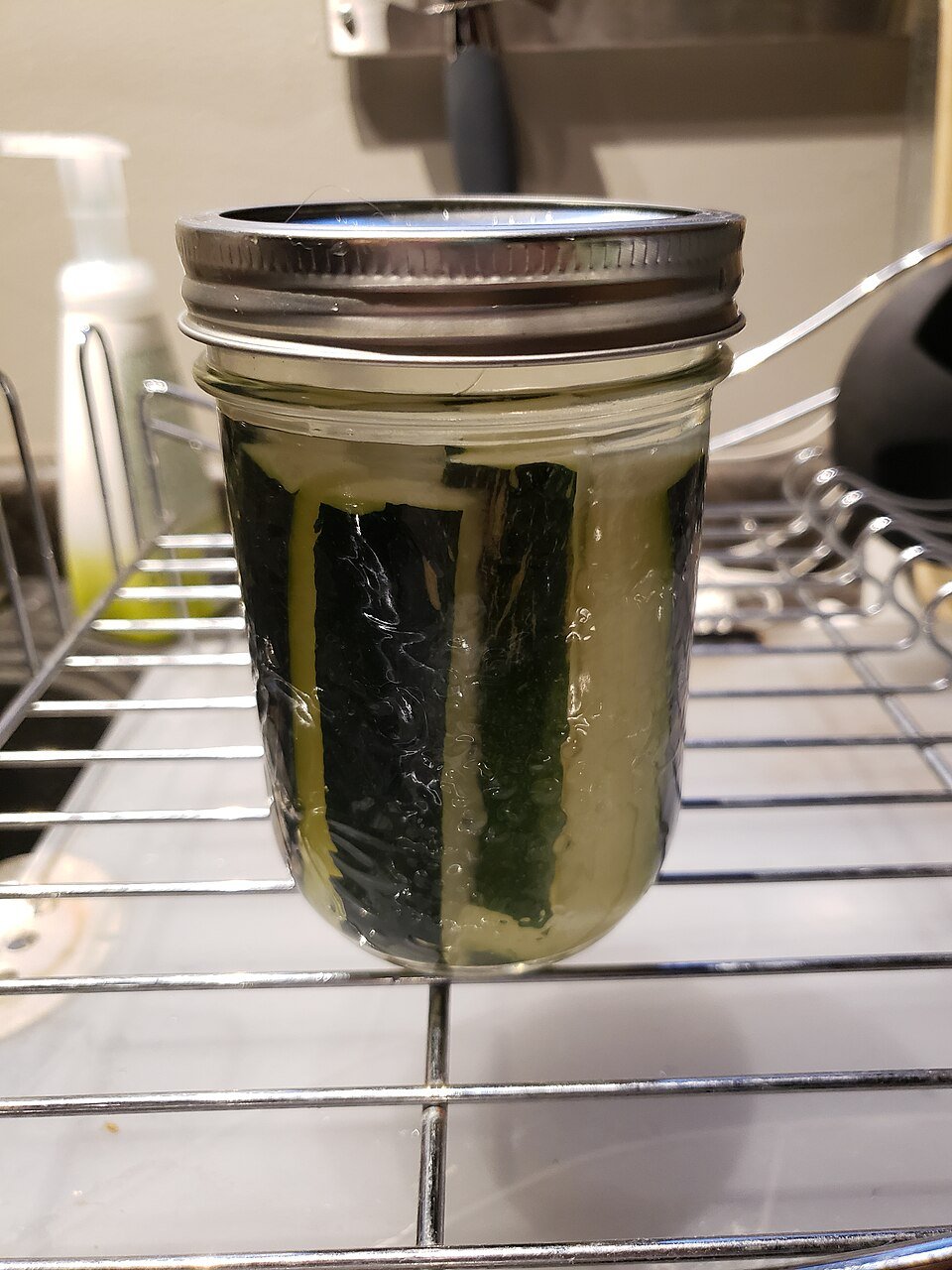
The vegetable group is pickles. Cha zhuang cai from Sichuan, the preserved mustard tuber with its hot and sour edge; suan cai, the pickled mustard greens of northern China, which are the engine of a Beijing hotpot; the sweet and sour preserved cabbage that goes with pig trotters in Jiangnan; and the long list of regional pickles sold in glass jars. These are the fermentation category where the flavour is most obvious and the technique is most accessible to a home cook.
The grain group is the least well known outside China and the most interesting. Rice wine, rice vinegar and the various fermented rice pastes belong here, and so do the sweet fermented rice used in desserts. The reason rice ferments well is the same reason it feeds a billion people: it is full of starch and it harbours wild yeasts and lactic bacteria that will happily work on it.
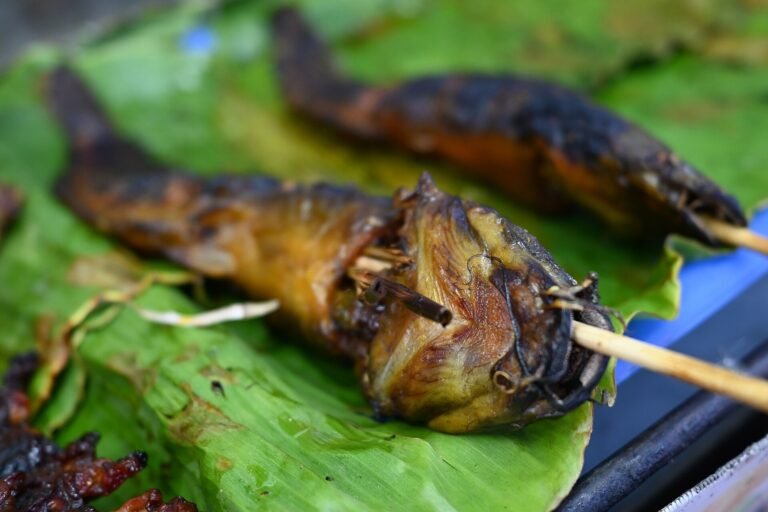
The seafood group is the smallest but the most pungent. Salted fish, fermented prawn paste, shrimp paste, salted squid and the various fermented fish sauces of the coastal provinces are the concentrated seasoning of Guangdong, Fujian and Hainan. Some of the best of them are the most difficult to buy in Britain, which is a shame, because a spoonful of good fermented prawn paste will transform a stir-fry.
| Family | Examples | Flavour profile | Typical use |
|---|---|---|---|
| Bean | Doubanjiang, douchi, sweet bean paste | Deep, savoury, salty, sometimes sweet | A spoonful in a stir-fry or braise |
| Vegetable | Cha zhuang cai, suan cai, preserved cabbage | Sour, salty, sometimes hot | A side dish, or a base for soup and hotpot |
| Grain | Rice wine, rice vinegar, fermented rice | Floral, boozy, sweet | Marinades, braising liquids, desserts |
| Seafood | Fermented prawn paste, salted fish | Very pungent, salty, fishy | Small amounts, to season a whole dish |
Which fermentation mechanism gives Chinese bean pastes their meaty depth?
Mould fermentation, and it is the Chinese signature. A specific mould — Mucor or Rhizopus — is inoculated onto a solid substrate, usually soy, a bean or a piece of tofu, and digests it into something dense and savoury while creating the conditions for other organisms to work underneath. Doubanjiang, fermented tofu and sweet bean paste all depend on it, and no amount of salting produces that almost meaty complexity. The other two mechanisms are lactic acid fermentation, which makes pickles sour in days to weeks, and alcoholic fermentation by yeasts, which gives rice wine its alcohol and carbon dioxide. Lactic ferments are the risky ones at home: the wrong bacteria in a vegetable crock produce off flavours and occasionally toxins. Mould-ripened bean pastes are far more forgiving to buy than to make.
The Science, in Plain Terms
Fermentation is controlled decay, and there are three mechanisms at work in Chinese ferments, usually in combination. Which one dominates is what separates a pickle from a paste and from a wine.
The first is lactic acid fermentation, done by bacteria. They consume the sugars in the vegetable or the mash and produce lactic acid, which is what makes sauerkraut sour and what gives preserved mustard its bite. This is the same process that makes yoghurt and cheese, and it is relatively fast: days to weeks rather than months. It is also the process that makes a bad ferment dangerous, because the wrong bacteria in a vegetable ferment will produce off flavours, and occasionally toxins.
The second is mould fermentation, which is the Chinese signature. A specific mould, Mucor or Rhizopus, is inoculated onto the surface of a solid, usually soy or a bean or a piece of tofu, and it digests the substrate into something dense and savoury. The mould also creates the conditions for other organisms to work underneath. Doubanjiang, fermented tofu, sweet bean paste and the Chinese huangdoujiang are all mould-fermented products, and the mould is what gives them the deep, almost meaty complexity that no amount of salting can produce.
The third is alcoholic fermentation, done by yeasts, which produce both alcohol and carbon dioxide. This is the rice wine group, and it is where Chinese fermentation departs from most of the world’s. What makes huangjiu and lao gan different from everything else on this list is that they are not primarily preserved foods at all. They are alcoholic beverages that happen to be delicious and that, in the case of huangjiu, are also eaten.
How to Judge a Ferment
Because Chinese ferments are sold in glass jars and in tubs, and because the good ones are dark and the industrial ones are sometimes also dark, you need a few tests. None of them require any equipment, which is fortunate, because the products are cheap and the equipment is not.
Look first at the surface. A good doubanjiang has a layer of red oil on top, which is a sign of properly fermented and properly stored product, and the paste beneath should be a deep brick red rather than brown. A good fermented tofu has a pinkish or reddish bloom of mould on top, which is not a fault, and a firm, dense, pale yellow interior. A jar of pickled vegetables should have the liquid sitting over the top of the contents, and the contents should look crisp rather than slumped, though a soft pickle is not automatically bad.
Smell it. This is the most reliable test. Good doubanjiang smells of chilli, salt and something deep and savoury underneath, and it is quite intense. Good fermented tofu smells pungent, ammoniacal and mouldy, which sounds alarming and is exactly what it should smell like. Bad ferments smell of nothing, or of raw cardboard, or of acetone, which is the nail-polish smell that indicates the wrong organisms have taken over.
Check the label for the salt content and the production date, and check the ingredients for the ones you should avoid. A fermented vegetable should be at least about ten per cent salt, because salt is what protects it. Anything with a low salt percentage and a long shelf life has been preserved by something other than fermentation, and the flavour will show it.
And finally, look at the price. The relationship between price and quality in this category is unusually reliable, because good ferments are slow, labour-intensive and made in small batches. A jar of doubanjiang at four pounds is a different product from one at eight pounds, and the difference is usually the ageing rather than anything else.
When should I throw out a jar of fermented vegetables?
The moment you see grey or black mould on the surface of a wet vegetable ferment. The hyphae have already gone through the food and the toxins come with them, so scraping the top off is not enough — bin the whole lot. The exception is the fuzzy white growth under the surface of a sauerkraut, which is harmless lactobacillus and a sign of a healthy ferment. A fizzy, aggressively sour, mushy ferment has run out of sugar and started attacking everything else. Shop-bought jars fail differently: left too long in a hot shop the aromatics go flat, salt crystallises in the oil layer and the product tastes of nothing but salt. Buy a smaller jar, refrigerate once opened, and check for at least about ten per cent salt on the label.
The Famous Failure Modes
Every fermentation has a characteristic way of going wrong, and knowing them is most of what you need to avoid buying a bad jar. Most of the mistakes happen in the jar rather than in the kitchen, and they happen after the ferment is made.
The most common failure in a home vegetable ferment is a grey or black mould on the surface, which means wild mould has colonised it. The rule is that surface mould on a wet vegetable ferment is a reason to throw the whole thing out, because the mould hyphae have gone through the food and the toxins come with them. The exception is the fuzzy white growth that appears on a sauerkraut under the surface, which is a harmless lactobacillus and actually indicates a healthy ferment.
The second failure is a fizzy, gassy, over-acid ferment, where the bacteria have run out of sugar and started to attack everything else. The result tastes aggressively sour and the texture goes soft and mushy. This is why vegetable ferments need salt, and why the salt percentage on the label matters.
The third failure, and the one that catches people out with shop-bought jars, is a ferment that has simply been sitting too long in a hot shop. The aromatics go flat, the salt crystalises in the oil layer, and the product tastes of nothing but salt. This is the reason the recommendation from every Chinese kitchen is the same: keep the jar in the fridge once you have opened it, and buy a smaller jar rather than a large one if you do not use it quickly.
There is also a specific danger with home-cured salted duck eggs and salted fish, which is botulism, and it is why the salt concentration and the sealed container matter so much in those traditions. Salt cod, salt fish and salted duck egg are all preserved by concentration rather than by a living culture, and if the salt level is wrong or the seal is broken, a different organism can get in. This is the failure mode with the worst possible outcome, and it is the reason that commercial salted products are the ones to buy.
Why Huangjiu and Lao Gan Are Different
Most fermented foods in China exist to be eaten as seasoning. Huangjiu and lao gan are fermented in order to be drunk, and everything about them is different as a result.
Huangjiu is a rice wine that is brewed and then left to ferment in the bottle or jar, so it is both drunk and eaten. It is sweeter and lower in alcohol than most wines, sitting at around fourteen to sixteen per cent, and it has a gentle honeyed aroma that makes it the perfect cooking wine as well as a drinking wine. The reason it is so good in a braise is precisely that it has been partly fermented already, so it carries both sweetness and a rounded savoury depth.
Lao gan is the other end of the scale. It is a very old, very strong, very dark rice spirit, sometimes called vintage rice wine, and it is made from glutinous rice that has been fermented for years. A bottle of good lao gan is closer to a savoury sherry or a very old Shaoxing than to a table wine: dark brown, thick, and used in cooking rather than drunk. The cooking method is the same as for Shaoxing wine but the result is far more intense, and a spoonful of lao gan in a braise does the work of two or three of the lighter wine.
Both are made with a mould fermentation and a rice saccharification step, in the jiu qu (酒曲), a starter culture of mould, yeast and enzymes that is the ancestor of the koji used for Japanese sake and miso. That single mould, Aspergillus oryzae, connects the Chinese brewing tradition to the Japanese one, and it is the same mould family that gives miso and sake their character.
And then there is the rice vinegar, which sits on the boundary. Mature vinegar, chen jiu cu (陈醋), is produced by a long fermentation of rice and then aged, sometimes for years, which is why the Chinkiang style from Jiangsu tastes so much rounder and less aggressively sour than an everyday black vinegar.
How much doubanjiang should I use in a stir-fry?
A spoonful, not a ladle — these are seasonings, not sauces. Bean ferments supply a depth of savouriness that no fresh ingredient reaches, and they are salty enough that a tablespoon is usually plenty for a wok serving two or three; I add mine to the oil early so it blooms and loses its raw edge, before the vegetables go in. Fermented tofu is stronger still and a single cube will season a whole plate of greens. Pickles are the exception and can be eaten as a side dish in quantity. One honest caveat: because the salt content is high, taste before you add soy or salt at the end, and never assume a Western pickle will substitute — it brings acidity where a Chinese ferment brings umami.
Using Each Ferment in the Kitchen
Doubanjiang is a frying ingredient, not a dipping ingredient. You cook it in oil at the start of a dish to drive off the raw edge and to release its colour into the fat, and that oil then becomes the base of the sauce. This is why mapo tofu and twice-cooked pork both begin with doubanjiang in hot oil, and the guide to doubanjiang has the detail on which label to reach for.
Douchi and fermented black beans are used whole or roughly crushed, and they are a seasoning for a whole dish rather than for one element. A spoonful in a stir-fry of pork and peppers, or in steamed pork ribs with garlic, is the classic use, and they are rarely used in a sauce that gets tasted on its own.
Pickled vegetables are a whole dish in themselves. Served cold as a banchan alongside rice, or used as the base of a soup, or chopped into a stir-fry at the last moment, or dissolved into a hotpot broth where their sourness balances the richness of the meat. The difference between the mild salted cabbage of the north and the fiercely hot preserved chilli of Hunan is worth understanding before you buy, and the guide to Chengdu food is where to see that range in use.
Fermented tofu, which is ru fu (乳腐), is a seasoning in the way a stock cube is, and the red and the green versions are quite different: the green one, with the bird’s eye chillies, is the hottest and the best. A teaspoon of the red variety stirred into a pot of greens at the end of cooking is a classic northern dish, and the method for General Tso’s chicken shows how such a dish is built on a fermented base.
Fermented prawn paste and shrimp paste are the strongest of the lot and they are used with restraint. A teaspoon in a stir-fried green bean dish or in a steamed fish is enough to make the whole room smell of the sea, and more than that is unpleasant. The method for hot and sour soup uses fermented ingredients in this way, and the sourness in that bowl is itself a fermented product rather than a splash of lemon.
And rice wine and rice vinegar are the liquid members of the family. The wine goes into a marinade, a stir-fry at the moment the meat hits the pan, or a braising liquid. The vinegar goes into a cold dressing, a dipping sauce for dumplings, or the final seasoning of a braise. The method for Chinese tea eggs uses both in the same pot, which shows how they sit together in a braise that is not a braise at all.
Frequently Asked Questions
Do I need to make my own fermented foods? Not unless you are curious. Chinese fermented foods are made by specialist producers with equipment and starter cultures you would have to source deliberately, and the commercial versions are made by people who have done it for decades. Buy them, and spend the time you would have spent on a croquembouche on the cooking instead.
How long do fermented foods keep once opened? Most keep for months in the fridge, which is why they are sold in jars rather than in fresh packs. Doubanjiang keeps for six months or more refrigerated, and douchi for a year. The exception is fermented tofu, which is best used within a couple of months because the flavour dulls faster than it spoils.
Is fermented food good for you? Fermented vegetable foods contain live lactic bacteria and are genuinely good for the gut, and the evidence for that is reasonable. The salt content is the counterweight, and most Chinese ferments are salty enough that a spoonful is a meaningful contribution to your daily intake.
Can I use a Western pickle instead? You can, and it will work, but the flavour will be different. A British pickled onion is sharper and sweeter, and a kosher dill is entirely wrong for the job. The Chinese pickles have a particular fermented savouriness that a vinegar pickle does not have, which is why the dishes built on them taste different even when the recipe is followed exactly.
What is the difference between fermented and preserved? Preserved means made to last by salt, sugar, drying or canning, and the flavour of the ingredient is largely unchanged. Fermented means the ingredient itself has been transformed by living organisms, and the flavour is entirely new and usually far deeper. Salted duck eggs are preserved; doubanjiang is fermented. Both keep, but they work in completely different ways in a dish.
Why does my jar of doubanjiang have oil on top? That is a good sign. The red oil layer forms as the paste settles and the fat separates out, and it is characteristic of a properly made and properly stored product. A jar with no oil layer has usually been thinned with water or has been stored too warm.
The Short Version
Chinese ferments fall into four families: bean, vegetable, grain and seafood. The bean pastes and fermented tofu are mould-fermented and used in spoonfuls to build savoury depth; the pickled vegetables are lactic-acid fermented and used as sides, soup bases and hotpot foundations; the rice wines and vinegars are the grain family; and the fermented seafood pastes are the strongest seasoning of the lot. Judge them by the date, the salt percentage and the smell, and buy the pricier jars because in this category price reliably tracks ageing. Expect surface mould on fermented tofu, oil on top of good doubanjiang, and no kelp-scented or acetone tang. Keep everything in the fridge once opened and buy small jars, because the aromatics fade long before the food spoils. Buy the commercial products rather than attempting your own, and if you make your own huangjiu, keep it away from the plastic bucket and give it time.