General Tso’s Chicken Recipe: Balanced Version
Last reviewed 31 October 2026 · China Food Way editorial team
I ate my first General Tso’s chicken in a food court, off a paper plate, with a plastic fork, and I thought it was the best thing I had ever eaten. I was nineteen. Fifteen years later I asked for it in Changsha, in a restaurant where the staff had arranged the chairs around a single low table and the menu had photographs of live fish, and I got a look I have learned to recognise: polite incomprehension, followed by a long explanation in Hunanese that I followed about half of. The dish exists in Hunan, sort of. What I had eaten at nineteen was not it.
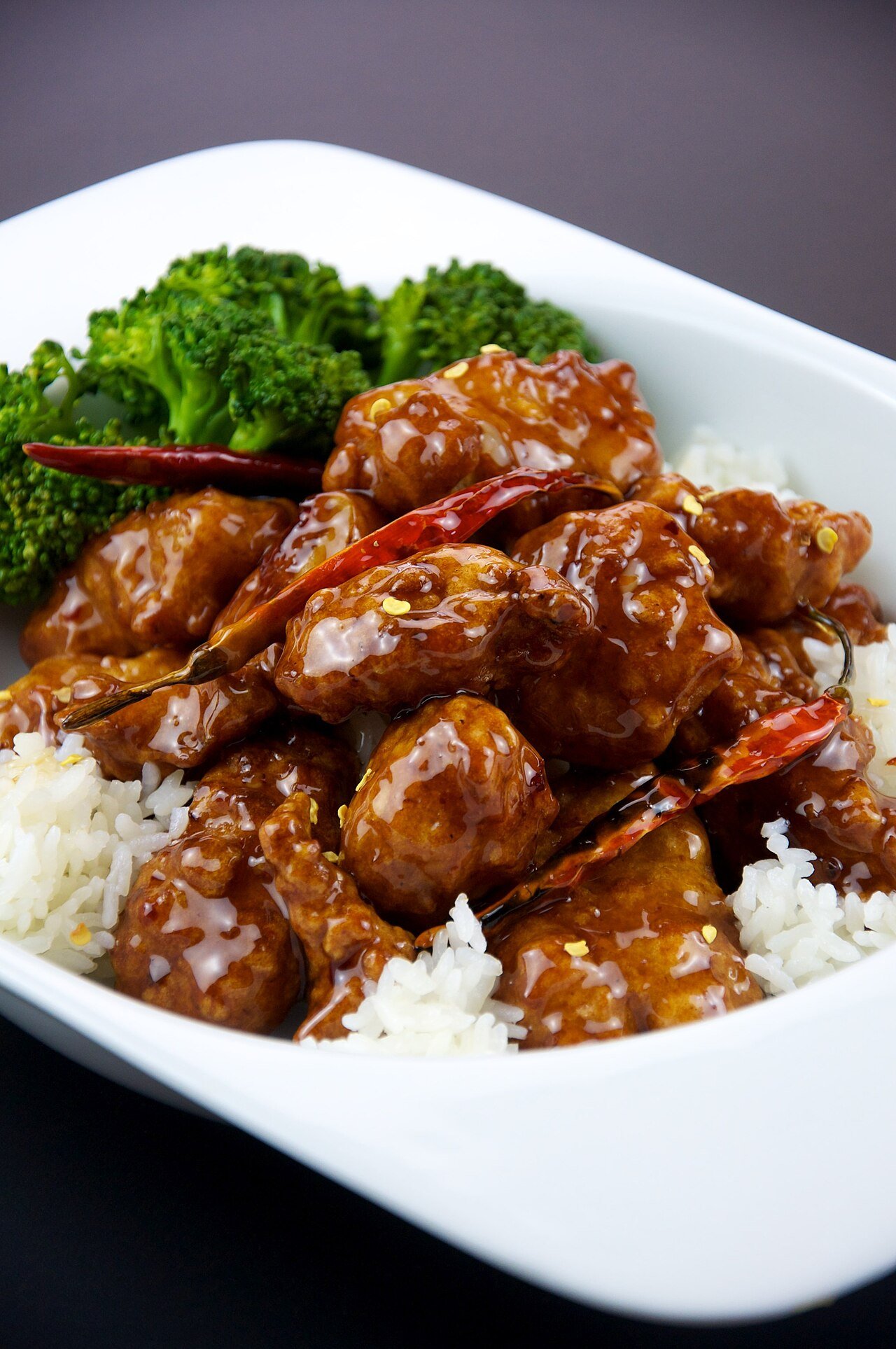
That gap is the most interesting thing about General Tso’s chicken, and it is also the reason the takeaway version tastes the way it does. This is a dish with a genuinely documented origin, invented by a named chef, carried across the Pacific and rewritten by American palates until the original was nearly unrecognisable. It is also, at its best, a genuinely great plate of food: crisp, sour, hot, savoury and only lightly sweet. The version below is the one I have settled on after years of fiddling, and it puts back everything the takeaway version dropped.
Who Actually Invented It
Is general tso chicken really chicken
Is general tso chicken really chicken deserves a closer look. Last reviewed 31 October 2026 · China Food Way editorial team In the sections below we cover what travelers and home cooks actually need to know.
The name refers to 左宗棠, Zuo Zongtang, a nineteenth-century Qing general from Hunan who, as far as anyone can establish, never ate this chicken and had no opinion about it. He was simply the most famous son of the province, and when a Hunanese chef needed a grand name for a new dish, that was the name available. Naming dishes after worthies is an old Chinese habit, and it does not usually imply a recipe with a pedigree.
The chef was 彭长贵, Peng Chang-kuei, born in Hunan around 1919, trained in the banquet kitchens of Changsha, and one of the cooks who left for Taiwan with the Nationalist retreat in 1949. In Taipei he cooked for official banquets, and the story his family and his restaurant still tell is that he created the dish in the 1950s for a state dinner, serving whole chunks of chicken — bone in, skin on, no batter — in a sauce built on vinegar, soy, sugar and a great deal of dried red chilli. Accounts differ on the exact year and the exact occasion, as they always do, but there is no serious dispute that Peng is the source. He later took the dish to New York, opening a restaurant there in the 1970s.
Then the American chapter begins, and it is the chapter that matters for anyone cooking this today. New York restaurateurs — Shun Lee Palace is the name most often invoked, though several kitchens claim it — took Peng’s sour, chilli-forward dish and sweetened it, sauced it heavier, and swapped the bone-in chunks for battered nuggets that could be deep-fried ahead and held. They also made it famous. Within a generation, General Tso’s chicken was the most-ordered Chinese dish in America, and the Hunan original had become a footnote.
The Hunan Original and the Takeout Version
| Hunan original | American takeout | |
|---|---|---|
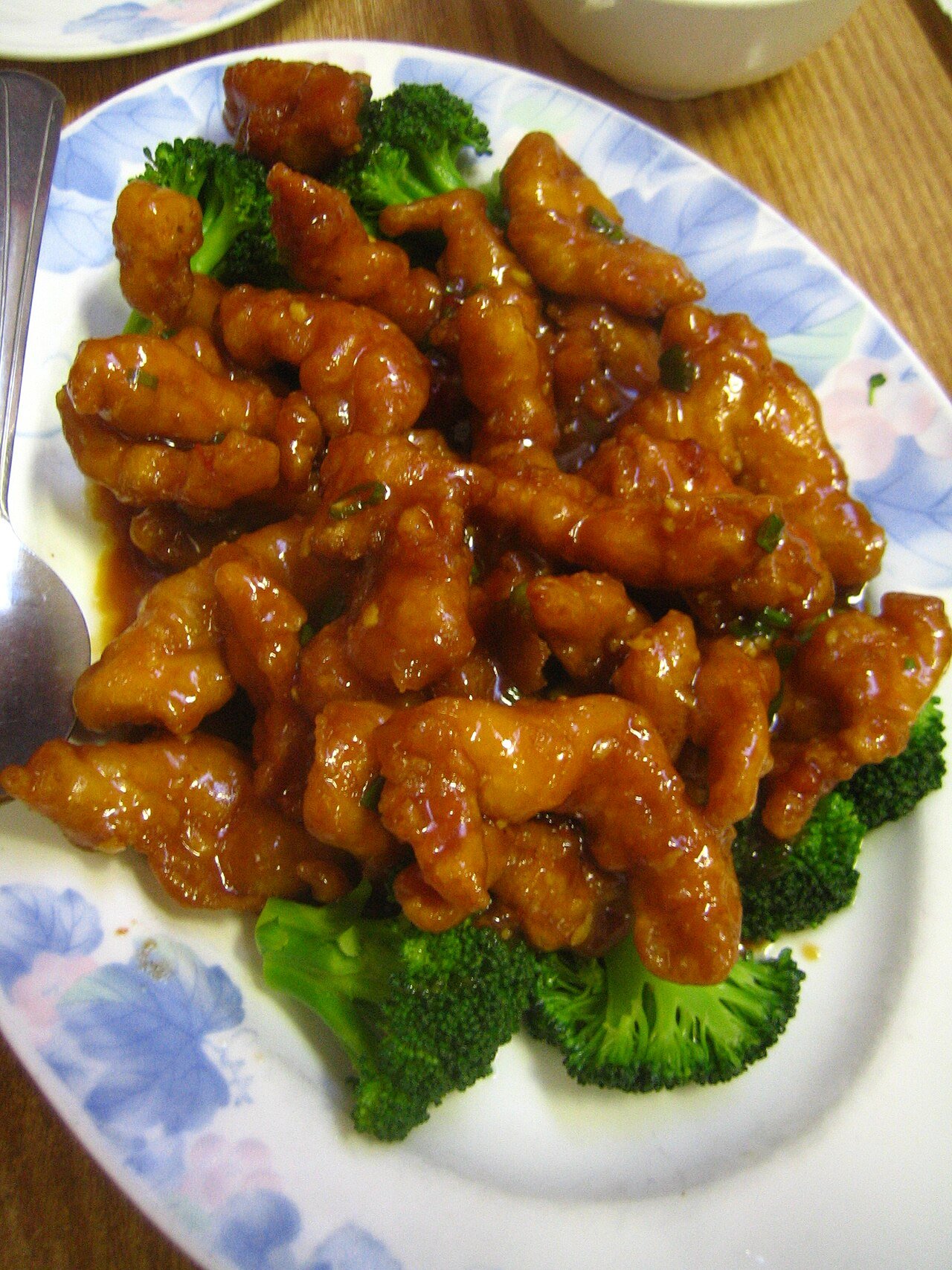
| Chicken | Bone-in chunks, skin on, no batter, deep-fried then stir-fried | Boneless thigh in a thick starch batter, double-fried |
| Sweetness | A spoonful of sugar to balance vinegar | Dominant; often the first thing you taste |
| Sourness | Black vinegar, assertive | White or rice vinegar, muted, or absent |
| Heat | Lots of dried red chilli, plus fresh chilli; genuinely hot | Token chilli flakes; sweet chilli sauce in some kitchens |
| Sauce texture | Thin, clinging, almost dry on the plate | Thick, glossy, heavily thickened with cornflour |
| Vegetables | None, or spring onion only | Broccoli florets and sliced carrot, added for colour |
| Where you eat it | A sit-down Hunanese restaurant, at the table | A takeaway container, ten minutes later |
Read down that table and you can see the whole logic of adaptation. Every change moves the dish towards travel, speed and a broader palate: boneless so nobody has to deal with bones, battered so it can be fried in advance and re-crisped, sweetened because sugar sells, thickened so the sauce does not drain to the bottom of a container. None of those choices are stupid. All of them cost the dish something.
How much sugar do restaurants actually use?
Far more than a home cook would guess — a restaurant batch can carry 80-120 g of sugar for the same amount of chicken I sweeten with a tablespoon.
The sweetness is not an accident of taste; it is structural. Sugar, often with corn syrup or sweetened rice vinegar, gives the glossy cling that survives a delivery box and keeps the sauce from separating on a heat lamp. American palates in the 1970s rewarded it, and the dish was re-engineered around that preference until the original savoury, vinegar-edged version was almost unrecognisable. The trouble is that sugar also flattens everything else: the black vinegar, the chilli and the ginger all disappear behind it. My rule is to treat sugar as a seasoning, not a theme — add it last, a teaspoon at a time, and stop while the sauce still tastes sharp.
Why Restaurant Versions Are Candy-Sweet
Three forces push in the same direction. The first is economics: sugar is the cheapest way to make a dish immediately likeable, and a takeaway that depends on first-time customers cannot afford to be challenging. The second is the batter. A heavily battered, sweet-glazed nugget stays crisp longer than a lightly sauced one, because sugar hardens as it cools — so the sweetness is doing structural work, not just flavour work.
The third is expectation. Once a dish is known as sweet, a kitchen that serves it sour gets complaints. I have watched this happen in real time: a restaurant near me reduced the sugar in its General Tso’s and quietly put it back within a month. Nutrition data published for large chain portions routinely puts a single serving at 50–80g of sugar, which is more than a can of cola and roughly ten times what the Hunanese original would use. That is not a seasoning decision. It is a different dish wearing the same name.
What I Changed, and Why
I kept the double-fried batter, because it is genuinely good and it is what people want. I cut the sugar from a small handful to two tablespoons for a dish that serves four, which is enough to round off the vinegar without turning the plate into pudding. I put the black vinegar back, because it is the ingredient that makes the whole thing make sense: malty, sour, faintly smoky, and the only thing in the sauce strong enough to stand up to deep-fried food. I use real dried red chillies in quantity, toasted in oil until the kitchen smells of them, rather than a pinch of powder stirred in at the end. And I finish the dish off the heat so the chicken stays crisp for the four minutes it takes to get to the table.
Ingredients
| Ingredient | Quantity (serves 4) | Notes |
|---|---|---|
| Chicken thigh, boneless, skinless | 700g | Thigh stays juicy at frying temperature; breast dries out |
| Light soy sauce | 2 tbsp | Split between marinade and sauce |
| Shaoxing wine | 2 tbsp | Split between marinade and sauce |
| Potato starch | 4 tbsp | Crisper than cornflour alone; cornflour works as a substitute |
| Cornflour | 2 tbsp | Combined with the potato starch for the coating |
| Chinkiang black vinegar | 2 tbsp | The backbone of the sauce; rice vinegar is a poor substitute |
| Caster sugar | 2 tbsp | Down from the 5–6 tbsp a takeaway kitchen would use |
| Dried red chillies | 12–15, about 15g | Facing-heaven or Tianjin style; snip and seed for less heat |
| Garlic and ginger | 4 cloves, 1 tbsp sliced | Smash the garlic, do not mince it — minced garlic burns |
| Chicken stock | 120ml | Gives the sauce body without extra sugar |
| Toasted sesame oil, spring onions | 1 tsp, 3 stalks | Finishing |
| Groundnut or rapeseed oil | 1 litre for frying | Strained and reusable two or three times |
What ratio of vinegar to sugar should I aim for?
Roughly two parts vinegar to one part sugar by volume, which keeps the finish sharp rather than jammy.
For a batch serving two I use about 2 tablespoons of black vinegar, 1 tablespoon of sugar, 1 tablespoon of light soy and 3 tablespoons of stock, thickened with a scant teaspoon of cornstarch. Black vinegar — Chinkiang if you can find it — brings a malty, almost fruity acidity that white vinegar cannot; rice vinegar is a passable fallback with a squeeze of dark brown sugar to fill the gap. Whisk it cold, taste it before it meets the wok, and adjust once: the sauce reduces in the pan, so anything borderline sweet at the start will be cloying at the end. Add the vinegar in two goes, half during the cook and half off the heat, to keep its aroma alive.
The Sauce, Balanced
| Component | Amount | What it is doing |
|---|---|---|
| Chinkiang black vinegar | 2 tbsp | Sourness and malt depth; the flavour people cannot identify |
| Caster sugar | 2 tbsp | Balances the vinegar. Do not be tempted to double it |
| Light soy sauce | 1 tbsp | Salt and savoury base |
| Shaoxing wine | 1 tbsp | Aroma, and a trace of sweetness of its own |
| Chicken stock | 120ml | Volume; lets you reduce for intensity without oversalting |
| Cornflour slurry | 1 tsp + 2 tbsp water | Just enough to make the sauce cling |
| Toasted sesame oil | 1 tsp | Off the heat, at the very end |
Mix the vinegar, sugar, soy, wine and stock in a jug and stir until the sugar has dissolved. Taste it before it goes anywhere near the wok: it should be sour first, salty second, sweet third. If it tastes sweet first, you have lost the plot, and the fix is another spoonful of vinegar rather than less sugar. Chinkiang is worth seeking out properly — it is a fermented grain vinegar with real structure, and understanding black vinegar will improve every stir-fry you make this year, not just this one.
Method, Step by Step
- Marinate. Cut 700g of thigh into 3cm chunks — bigger than you think; they shrink. Toss with 1 tablespoon light soy, 1 tablespoon Shaoxing, ½ teaspoon salt and a quarter teaspoon of white pepper. Rest 30 minutes at room temperature, or overnight in the fridge.
- Make the coating. Mix the potato starch and cornflour with about 5 tablespoons of cold water to make a slurry the consistency of double cream. Fold the chicken through it until every piece is thickly coated and there is no liquid left in the bowl.
- First fry. Heat the oil to 160°C. Fry the chicken in two batches for 3–4 minutes, separating the pieces as they go in so they do not weld together. You are cooking them through, not colouring them. Lift out and rest on a rack for 5 minutes.
- Second fry. Bring the oil to 190°C. Return all the chicken for 60–90 seconds until deep gold and audibly crisp. This second fry drives water out of the coating, which is what keeps it crisp under sauce. Drain briefly.
- Toast the aromatics. Pour off all but 1 tablespoon of oil into a wok or wide pan over medium heat. Add the dried chillies and stir for 30–40 seconds until they darken and smell roasted; do not let them go black. Add the ginger and garlic for another 20 seconds.
- Reduce. Pour in the sauce mixture and boil hard for 60–90 seconds until it has reduced by about a third and smells sharp rather than raw. Stir the slurry and add it in a slow stream, stopping as soon as the sauce coats a spoon.
- Combine off the heat. Take the pan off the burner, add the chicken, and toss for 20–30 seconds until every piece is glazed. Stir in the sesame oil, scatter the spring onions, and serve within about three minutes.
The chicken will stay genuinely crisp for five minutes or so, then soften. That is the deal with sauced fried food, and the reason restaurants can get away with more sugar than you should: a hard sugar glaze buys them another ten minutes. Accept it and serve immediately.
How do I add heat without making the dish sweeter?
Build it from whole dried chillies and toasted Sichuan pepper, not from a sweet chilli sauce or a spoonful of sugar.
Sweetness is what most takeaway kitchens use to cover thin heat, and it is the fastest way to lose the dish’s spine. Bloom 6-8 dried red chillies in the oil for a few seconds until fragrant but not black, then add a half-teaspoon of lightly crushed Sichuan pepper at the very end for the numbing note. Fresh ginger and scallion add a second, cleaner kind of heat without any sugar at all. If you want more fire, a pinch of chilli flakes or a dash of chilli oil works; a bottled sweet chilli sauce does not, because it brings as much sugar as heat. Scorched chillies turn bitter, so keep them moving and pull them the moment they darken.
Getting Heat That Isn’t Just Sugar
Hunan heat is dry, bright and immediate — chilli without the numbing perfume of Sichuan pepper, which is the central difference between Hunan and Sichuan cooking. For this dish that means whole dried red chillies, toasted in oil so their fragrance blooms, rather than powder stirred in at the end. Twelve to fifteen gives a solid, warming heat for four people; snip them open and shake out the seeds if you want it gentler, or leave them whole for less.
If you want to go further, add a tablespoon of chopped salted chillies — 剁椒 — with the garlic. That is the Hunan pantry staple that turns a stir-fry into something a Hunanese cook would recognise, and it brings fermented sourness as well as heat, which lets you pull the vinegar back slightly. For context on how that chilli culture plays out on the ground, the street food of Hunan’s capital, Changsha, is the best classroom there is.
Where It Goes Wrong
- Soggy chicken: you sauced it too early, or the oil was not hot enough for the second fry. Use a thermometer — 160°C then 190°C — and toss the chicken in the sauce off the heat.
- Coating sliding off in the pan: the slurry was too thin, or the pieces went into oil that had not come back to temperature. Coat thickly, and let the oil recover between batches.
- Bitter, acrid sauce: the chillies burned. They should darken, not blacken. Thirty to forty seconds over medium heat, and pull them out if you are unsure.
- Sauce like syrup: too much cornflour, or sugar crept upward. Reduce by boiling instead of thickening, and keep the sugar at two tablespoons.
- Bland despite the chilli: under-salted, or the sauce never reduced. Salt is what makes chilli taste like more than heat; add soy before you add chillies.
- Dry chicken: you used breast. Thigh has more fat and far more margin for error at 190°C.
- Claggy, stodgy coating: cornflour only. Cut it with potato starch, which fries lighter and stays crisp longer.
How is this different from sesame chicken?
Mostly in the acid and the chilli: sesame chicken is sweeter, milder, and built around a toasted-seed garnish rather than a vinegar bite.
Both dishes are Chinese-American, both use battered, deep-fried chicken, and both arrived on takeaway menus in the same period, which is why they get confused. Sesame chicken leans on a honeyed, soy-forward sauce with no real sourness and no whole chillies; a balanced General Tso’s should finish sharp, hot and only lightly sweet, with black vinegar and dried chilli doing the work. Orange chicken is a third cousin again, built around citrus and a brighter glaze. If you order all three side by side, the tell is simple: the one that tastes of vinegar rather than sugar is this one. I would not add sesame seeds to it.
How It Sits Next to the Other Takeaway Classics
General Tso’s belongs to the same family as the other dishes Western diners grew up on, and the way it was sweetened tells you something about all of them. Sweet and sour pork went through an almost identical journey from Guangdong to the takeaway counter, and lost its savoury backbone on the way. Kung pao chicken is the instructive counterexample: it travelled with its chilli and its vinegar largely intact, which is why it still tastes recognisably Sichuanese in a Western restaurant. The difference is not authenticity for its own sake. It is that a dish built on acid and chilli has somewhere to go, and a dish built on sugar only has one direction left.
Frequently Asked Questions
Who invented General Tso’s chicken? The dish is attributed to Peng Chang-kuei, a Hunanese chef who left for Taiwan in 1949 and is said to have created it there in the 1950s. He named it after Zuo Zongtang, a Qing general from Hunan, who had nothing to do with the recipe.
Is it really a Hunan dish? The bones of it are: dried red chilli, black vinegar, sugar, soy, deep-fried chicken. The takeaway version you are used to is a heavily sweetened American adaptation of Peng’s original, and the two are close to being different dishes.
Can I make it without deep-frying? Yes, but be honest about the result. Shallow-fry the coated chicken in 1cm of oil, turning often, for about 6 minutes, then rest and re-fry for 1 minute. It will be crisp in patches rather than all over, and still good.
How spicy should it be? Properly warm but not punishing. Twelve dried chillies for four people is my baseline; snip and seed them for a milder version, or add a spoonful of chopped salted chillies if you want the Hunanese experience.
What vinegar should I use? Chinkiang black vinegar, from a Chinese grocer or a large supermarket. Rice vinegar is too thin and too sharp; in a pinch, use half rice vinegar and half Worcestershire sauce, which sounds like a joke but approximates the malt depth surprisingly well.
Can I make the sauce ahead? Yes. Mix everything except the cornflour slurry up to three days ahead and keep it in the fridge. Add the slurry at the end, as above.
The Short Version
General Tso’s chicken was invented by a Hunanese chef in Taiwan, named after a general who never tasted it, and rewritten in New York into something sweet enough to hide the vinegar. To cook the better version: marinate thigh meat, coat it in a potato-starch-and-cornflour slurry, double-fry at 160°C then 190°C, and toss it in a sauce of two tablespoons each of black vinegar and sugar — in that order of importance — with a dozen toasted dried chillies and enough soy to make the heat taste of something. It takes about 45 minutes, most of it unattended, and it tastes nothing like the paper plate I fell in love with at nineteen. It tastes better.
Frequently Asked Questions
Is general tso chicken really chicken?
Our guide to General Tso’s Chicken Recipe: Balanced Version covers this directly: Last reviewed 31 October 2026 · China Food Way editorial team The sections above walk through the practical details.
Related reading
General Tso’s Chicken: The Chinese-American Story, Cooked Properly · Szechuan Chicken: Dry-Fried, Numbing, and Nothing Like the Takeaway Version