Frog Legs the Chinese Way: Tian Ji in the Wok
“Field chicken,” said the waiter in Chengdu, tapping the menu where the English said spicy boiled frog. “You want half a jin or a whole one? Whole one comes with more chillies.” I asked whether the chillies were the point. He looked at me the way Chengdu waiters look at foreigners who have not been paying attention: the frog is the point, the chillies are the weather it lives in.
That exchange is a fair summary of how China eats frog. Not as a dare, not as bushmeat theatre, but as an ordinary, farmed, everyday protein with two strong regional schools built on it. In Sichuan the frog arrives drowned in fragrant red oil, numbing and rich. In Guangdong it is poached into congee and fried with black beans, treated with the same respect as a good chicken. Both schools are worth knowing, and both translate well to a Western kitchen once you understand the one technique that matters: the frog cooks in minutes, and a minute too many ruins it.
Tian Ji, the Field Chicken
The Cantonese name does most of the explaining. Tian ji, “field chicken”, is what southern Chinese have called edible pond frogs for generations, and the name carries the compliment plainly: this is the poultry of the paddies. The classic animal was the black-spotted pond frog, a small native species; much of what is eaten today, especially in Sichuan, is the American bullfrog, niu wa, introduced and now farmed at industrial scale, with legs the size of a small chicken drumstick.
Europe got to the same dish from the other direction, and as Wikipedia’s article on frog legs records, France was eating them seriously by the eighteenth century and importing them by the tonne a hundred years later. The Chinese version is older and less sentimental. Frog meat is mild, slightly sweet, and sits somewhere between chicken thigh and a scallop in texture: tender strands, no fat to speak of, and a jelly richness near the bone that congee cooks prize. It takes marinades beautifully and punishes overcooking instantly.
Farmed, Not Foraged
Everything sold honestly in China today is farmed. The wild-caught frog has two problems that no amount of cooking fixes: it may be protected, and pond frogs are intermediate hosts for parasites that survive casual heat. Chinese food-safety campaigns have hammered this for years, and any restaurant serving wild frog is cutting corners somewhere else too. Buy farmed, from a supplier with a cold chain, and the risk profile looks like any other farmed meat.
At the wet market or Asian grocer you will usually meet the frog already skinned and jointed, legs paired. Choose pieces that look plump and moist, not grey at the cut ends, with a clean smell. Frozen legs are perfectly acceptable; the meat is lean enough that freezing costs it very little. Up north, incidentally, frog barely features in the traditional repertory at all — the classics gathered under Beijing Food belong to mutton and wheat. This is a southern and southwestern ingredient, with the farming belt now concentrated in provinces like Hunan, Hubei and Jiangxi.
Sichuan: The Boiled-Frog School
Sichuan’s signature is chan zui wa, “mouth-watering frog”, a close cousin of the boiled-fish style: frog pieces poached gently in a seasoned stock, laid in a basin with bean sprouts or cucumber, then buried under a landslide of dried chillies and Sichuan peppercorn sizzling in oil. The meat underneath is astonishingly tender because it never actually boils hard; the crust of oil on top keeps the heat gentle and the aroma enormous. The pickled-pepper version, pao jiao niu wa, swaps dried chillies for bright yellow pickled ones and lands sour-hot instead of dusty-hot.
Both dishes come with a dip on the side, and this is where the subtlety hides: a small saucer of garlic, soy and sharp black vinegar to cut the oil between bites. Done properly it is the same logic behind how chinese black vinegar is really done — the vinegar is not decoration, it resets the palate so the chilli never flattens into a single note. I have watched a table of Sichuan aunties demolish a basin this way, dip, frog, rice, repeat, at a pace that would alarm a cardiologist.
Cantonese Ways: Congee, Claypot and Black Bean
Guangdong takes the opposite road: almost no chilli at all, and a deep belief in the congee pot. Frog congee, tian ji zhou, uses the same silky rice base as the province’s famous Century Egg Guide territory — rice cooked long until it collapses, ginger, and frog pieces slipped in at the end where they cook through in about three minutes. The jelly bits near the bone melt into the porridge and give it body. With shredded ginger and a scatter of spring onion it is breakfast, late supper and hangover cure all at once.
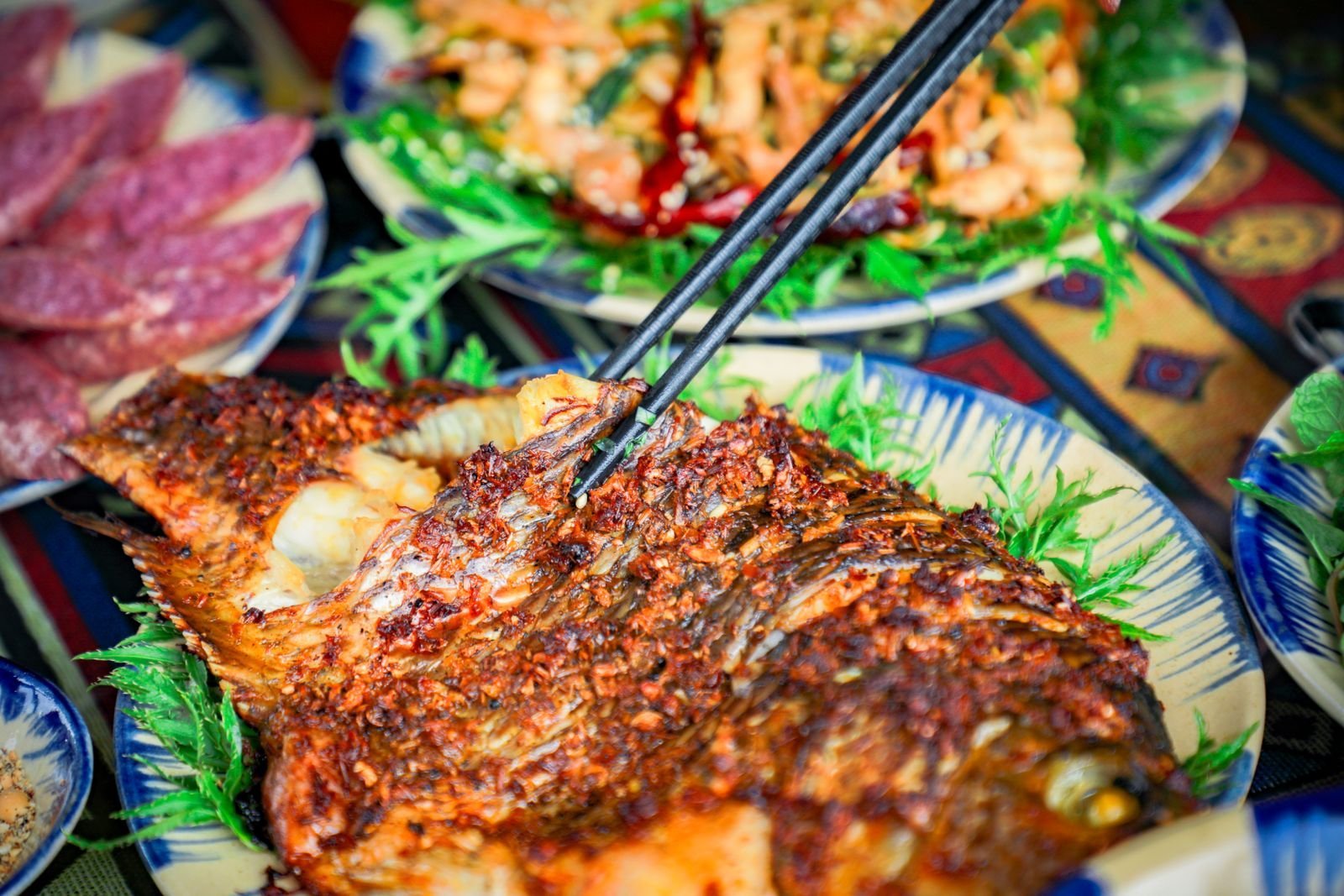
The full range of this school belongs to Cantonese Cuisine and runs from salt-and-pepper frog legs, crisp outside and juicy within, to claypot rice topped with frog and mushroom. The workhorse home dish is stir-fried frog with black bean sauce, dou chi: fermented beans, garlic, a little Shaoxing wine, and frog pieces that spend ninety seconds in the wok. The beans’ salty depth is exactly what the lean meat wants; the technique is explained in everything you need to know about chinese black bean sauce and transfers without alteration.
| Sichuan school | Cantonese school | |
|---|---|---|
| Signature dishes | Chan zui wa, pickled-pepper bullfrog | Frog congee, black bean stir-fry, salt and pepper |
| Heat | Heavy: dried and pickled chillies, peppercorn | Minimal; white pepper at most |
| Cooking method | Gentle poach under hot oil, or quick fry | Blanch, then congee, claypot or flash stir-fry |
| Texture target | Tender in a rich, oily sauce | Clean, springy, chicken-like |
| Best frog | Bullfrog, large legs | Pond frog or small bullfrog legs |
Blanch, Marinate, Flash-Cook
Whatever the final dish, the Cantonese pre-treatment is the same and it is what keeps the texture right. First, a quick blanch: thirty seconds in boiling water with a splash of cooking wine and a slice of ginger, then straight into cold water. This firms the flesh, removes any pondiness, and means the meat will not weep grey scum into your congee or sauce. Second, the marinade: salt, white pepper, ginger, a little wine, and for stir-fries a dusting of cornflour, which gives the surface a slip that keeps moisture in. Ten minutes is enough.
Then the actual cooking is startlingly short. Blanched, marinated frog needs about two minutes in a hot wok, three in congee, and no more in anything else. The moment the flesh turns from translucent-glassy to opaque white, it is done; thirty seconds past that point it tightens into something closer to eraser than chicken. Lean meat has no fat to buffer the mistake. Set everything else up first — sauce mixed, aromatics chopped, rice cooked — because the frog is the fastest thing on the stove.
A Home Stir-Fry Worth Practising
For a first attempt, make the Cantonese black-bean stir-fry with bamboo shoots, a genuinely common home combination. Slice fresh or vacuum-packed bamboo shoots thin — the preparation basics are covered in all about bamboo shoots — blanch them a minute, then stir-fry with the marinated frog, fermented black beans, garlic and a finger of chilli if you want it. Frog first into the wok, shoots after, sauce last, out of the wok in under three minutes total.
If Sichuan is the mood but you lack the energy for the full boiled-frog production, a shortcut exists: stir-fry the frog with garlic and ginger, then finish off the heat with a spoonful of the crunchy red oil described in Chili Crisp explained. It is not chan zui wa, and a Chengdu waiter would say so, but it gets the numbing-fragrant idea across on a Tuesday night.
Frequently Asked Questions
Why is frog called tian ji, “field chicken”? Because the meat genuinely resembles chicken in flavour and strand, and the frog lived in the rice fields. The name is Cantonese in origin and now used across China for edible frogs.
Are frog legs safe to eat? Farmed frog legs from a reputable supplier, cooked through, yes. Wild frogs should never be eaten, because of parasites and conservation rules; farmed pond frog and bullfrog are the standard market animals.
How do I stop frog meat turning rubbery? Blanch it briefly, marinate it, and cook it for two to three minutes only. The meat is very lean, so there is no fat to protect it from overcooking; carry-over heat counts too.
What is the difference between tian ji and niu wa? Tian ji is the native pond frog, smaller and sweeter, the Cantonese favourite. Niu wa is the farmed American bullfrog, much larger, and the standard frog in Sichuan’s boiled-frog dishes.
Which wine pairs with spicy Sichuan frog? Something aromatic and cold: a gutsy riesling or a well-chilled pale ale both stand up to the chilli oil better than heavy tannic reds, which make the peppercorn heat feel sharper.