Taiyuan Travel Guide: Beyond the Postcard Stops
The first time I nearly ruined a trip to Taiyuan, it was my own fault. I arrived at Taiyuan South railway station at dusk, queued for a taxi like everyone else, and told the driver “Jinci” — only to realise twenty minutes later he had dropped me at a housing estate whose name shared the same character. It was a small, funny error, but it taught me the first rule of this city: decide what you actually want before you arrive, because the good stuff is spread out and the metro only takes you so far. I came up from Beijing on the high-speed line, and the pace dropped a notch the moment I stepped off the platform.
Taiyuan, the capital of Shanxi province, has sat on the Fen River for more than two thousand years; as the Wikipedia entry on the city records, it served as a military and industrial centre under several dynasties and still carries that working, unpretentious feel. I’d come expecting the seaside ease of my notes on dalian, but Taiyuan is landlocked and proud of it. The cold here is a different animal from the Siberian edge of Changchun, but pack a coat in November all the same.
Jinci Temple, and why I lingered
Jinci is the reason most visitors point a taxi south, and it earns the reputation. It sits about 25 km southwest of the centre in Jinyuan district; the 308 or 804 bus will get you there, or a taxi from the city runs roughly forty minutes depending on traffic. The headline building is the Holy Mother Hall (圣母殿), put up in the early Song dynasty and fronted by a cross-shaped bridge over a fish pond (鱼沼飞梁) that you will not see anywhere else in China. Inside the hall, forty-three painted clay maid figures line the walls, each with a different posture and face — I spent longer looking at them than I expected.
The ticket price shifts with the season, so check the official site before you go; I paid around 80 RMB in peak months and was told it drops off-season. Opening hours run roughly 8:00 to 18:00 in summer and a little shorter in winter. Give yourself a proper morning. The Nanlao Spring (难老泉) and the ancient cypress planted, legend says, in the Zhou dynasty are worth the short walk, and the open-air stage (水镜台) is a favourite spot for photos.
The Shanxi Museum, and the bronze bird I didn’t expect
Back in the city centre, the Shanxi Museum (山西博物院) is free but you must reserve a slot in advance through the official channel — a detail I almost missed. It closes on Mondays and generally opens 9:00 to 17:00, with last entry mid-afternoon. I went once, then went back two days later because I’d rushed the bronze galleries.
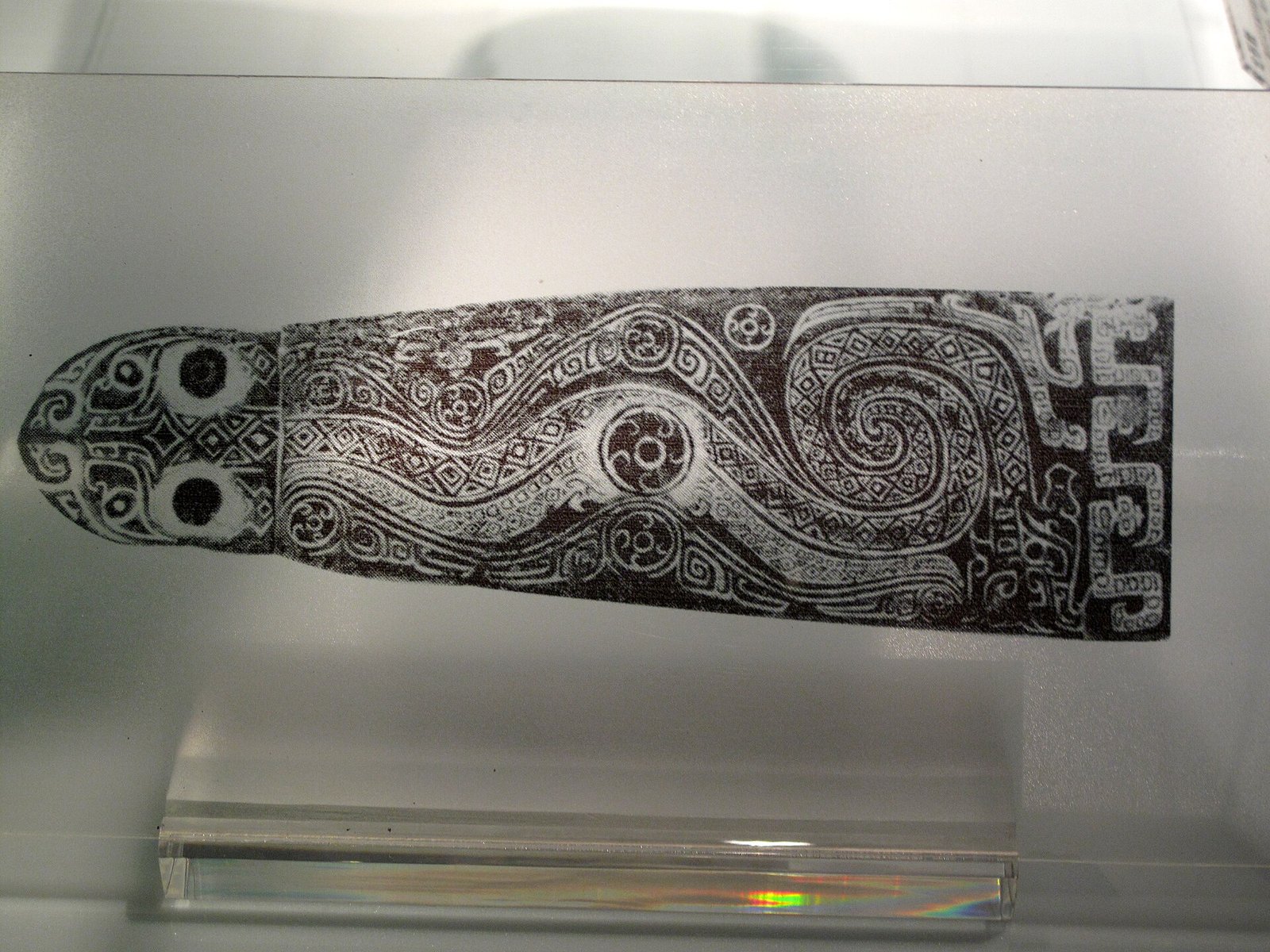
The piece that stopped me was a Western Zhou bird-shaped wine vessel (鸟尊) excavated from a Jin-state tomb — small, dark, and far older than anything I’d imagined surviving this well. There are also Jin marquis bells, painted lacquer panels from a Northern Wei tomb, and large replicas of the Yongle Palace murals. If you want context for everything else in Shanxi, this is the room to sit in. Unlike the imperial sprawl of Chengde Travel Guide, Taiyuan’s grandeur is quieter and older than the Qing summer resorts.
Eating Taiyuan: vinegar, knife-cut noodles, and a bowl called brains
Shanxi cooks treat vinegar the way the rest of China treats chilli, and Taiyuan is the headquarters. The local mature vinegar (老陈醋) is dark, thick, and sweet-sour rather than sharp; you can buy decent bottles at any supermarket, and the 宁化府 shops in the old town are a local reference point. I dressed nearly everything with it.
Knife-cut noodles (刀削面) are the signature. A cook holds a lump of dough and shaves ribbons straight into boiling water with a curved blade — it looks like a party trick and tastes like comfort food. A bowl with tomato-and-egg or zhajiang topping runs about 12 to 18 RMB at a casual shop. The street food here has none of the numbing heat you’d find in Chengdu explained, nor the oil-heavy braises of everything you need to know about chongqing. It is sour, savoury, and restrained.
One dish I’d steer you toward is 头脑 (tounao, literally “brains”), a warm winter breakfast stew of mutton, rice wine, and root vegetables, said to have been formulated by the scholar Fu Shan. It sounds strange and tastes milder than it reads; eat it with a sesame cake and pickled chives at a place like 清和元 in the cold months. For something lighter, 碗托 (wantuo) is steamed buckwheat jelly sliced and dressed with vinegar and garlic. If you want nightlife that rivals all about changsha, Taiyuan will feel early to bed — the action centres on 柳巷 and the nearby 食品街, and most kitchens wind down by ten.
Twin Pagodas, the Fen River, and an evening that cost nothing
The Twin Pagoda Temple (双塔寺, also called 永祚寺) sits in the southeast of the city and is the easiest half-day in town. Two Ming-dynasty brick pagodas rise about 54 metres, faintly leaning, and you can climb one for a view across the rooftops. The ticket is modest — check the official site before you go, as it changes — and the grounds hold a peony garden that bursts in late April and May. I went for the pagodas and stayed for the quiet.
For a free evening, the Fen River park (汾河公园) runs for kilometres along the water with lit bridges and a local crowd walking off dinner. It costs nothing and it is my favourite memory of the city: no ticket, no queue, just cold air and a river. On clear winter mornings you’ll see elderly residents practising tai chi on the embankments.
Three ways to spend a day in Taiyuan
| Plan | Best for | What to see | Rough cost |
|---|---|---|---|
| Half-day whistle-stop | Travellers with one free afternoon | Twin Pagoda Temple plus a Fen River walk | Under 50 RMB |
| Full-day classic | First-time visitors | Jinci Temple, Shanxi Museum, a noodle lunch | 100 to 150 RMB plus transport |
| Two-day deep | Anyone using Taiyuan as a base | Above, plus Mengshan Buddha and a Pingyao day trip | 300 RMB plus rail fares |
The Mengshan Giant Buddha, about 15 km southwest, is an open-air carving from the 6th century that was buried and only rediscovered in the 1980s; the ticket and cable car pricing change, so confirm before setting out. Pingyao, the walled world-heritage town, is roughly an hour away by high-speed rail and makes an easy second day if your schedule allows.
How Taiyuan fits the rest of a northern trip
I wouldn’t build a whole holiday around Taiyuan, but as a stop between Beijing and the old towns of Shanxi it works well. For travellers used to the slow-living lure of how dali is really done, Taiyuan offers a different kind of calm — historical rather than hippy, and far cheaper. The best months are April to May, when the peonies bloom and the weather is mild, and September to October, when the air turns clear and cool. Summer gets hot and crowded at the temples; January can drop below minus ten at night, which is exactly when a bowl of tounao tastes best.
Getting around is straightforward once you accept the buses. The metro covers the centre but not Jinci, so budget for taxis or the dedicated bus. High-speed rail from Beijing takes about three hours; from nearby Shijiazhuang it is closer to an hour, which makes a combined visit easy.
Frequently Asked Questions
Is Taiyuan worth visiting if I only have a few days in China? Yes, but mainly as a base for Shanxi rather than a destination in itself. Jinci alone justifies a day, and the museum is excellent and free. Pair it with Pingyao if you want old-town atmosphere without a long detour.
What is the best month to visit Taiyuan? April to May and September to October are the most comfortable. Avoid the depths of winter unless you enjoy cold, and expect summer heat and temple crowds in July and August.
How do I get from Beijing to Taiyuan? The high-speed train from Beijing to Taiyuan South takes around three hours and costs roughly 200 RMB second class, though fares move with the season. Book ahead on the official rail site or app, especially around holidays.
Is the food very different from Sichuan or Hunan cooking? Quite different. Shanxi food leans on vinegar and wheat noodles rather than chilli and rice. It is sour and savoury, not spicy, so if you find Chengdu too hot, you may prefer Taiyuan.
Do I need to speak Chinese to get around? Some basic phrases help, and the museum reservation is easiest on a Chinese-language app, but taxis, signs, and major sights are manageable for non-speakers. Have your destination written in characters on your phone.
How many days should I plan for Taiyuan? Two days lets you see Jinci, the museum, the Twin Pagodas, and still eat properly. One full day covers the highlights if you start early and skip the outskirts.