Jinan Travel Guide: What to See, Eat and How to Get Around
“You came for the springs?” the man on the bench asked, nodding at the water boiling up through the stones. “Good. Most people just change trains.” He was right — Jinan sits on the Beijing–Shanghai line and most travellers treat it as a blur between bigger names. But the springs are the real thing: cold, clear water pushing up from the ground all over the city, feeding pools you can lean over and watch churn. I stayed two nights and left convinced it’s the most underrated stop in Shandong. The springs aren’t a single attraction you tick off; they’re a way the city is built. Water surfaces in temples, in the middle of car parks, in the basements of restaurants. On my second morning I followed the sound of running water down an alley and found a pool the size of a bathtub, fenced off, with three old women filling bottles and arguing about something cheerful. That, more than Baotu’s postcard, is the Jinan I remember.
The springs: what makes Jinan different
As Wikipedia notes, Jinan has been a provincial capital for centuries and is known above all as the City of Springs, with dozens of named spring sites threaded through the urban core. The water is the city’s identity in a way no single building is, and it’s free to encounter almost everywhere you walk.
Baotu Spring
The headline sight is Baotu Spring, three vents in a landscaped park that have run without pause for recorded history. The water is startlingly clear and cold, and the park around it — pavilions, willows, koi ponds — is well kept without feeling canned. Entry is typically around ¥40, though check the official site before you go. Go at opening (07:00) to have the main pool to yourself; by 10:00 the tour groups arrive and the mood changes. Inside the park, the spring isn’t the only draw: there’s a small memorial hall to a famous poet, a rock garden, and a teahouse built over a side vent where you can drink spring water for a few yuan. I sat there for an hour watching the main pool and concluded the entry fee is fair, which I rarely say about Chinese scenic parks. Arrive with the opening bell and you’ll have the place to yourself for a genuine twenty minutes.
Black Tiger Spring and the free ones
Better value, frankly, are the springs you don’t pay for. Black Tiger Spring sits just outside the paid parks and spills through stone tiger heads into a public channel where locals fill jugs; it’s free and far livelier. Wander the alleys between the springs and you’ll find smaller bubbling pools tucked into neighbourhoods, with old men playing cards beside them. This is the Jinan I liked best — unmanaged, everyday, and cold under your hand if you crouch to touch it. The channel below Black Tiger runs a few hundred metres through the city and is where Jinan’s relationship with its water is most visible — people doing morning exercises beside it, kids dangling feet, the occasional serious swimmer. I timed my visit for late afternoon and it was the most alive corner of the trip. If you only have an hour and don’t want to pay, this is the hour to spend.
How to get around
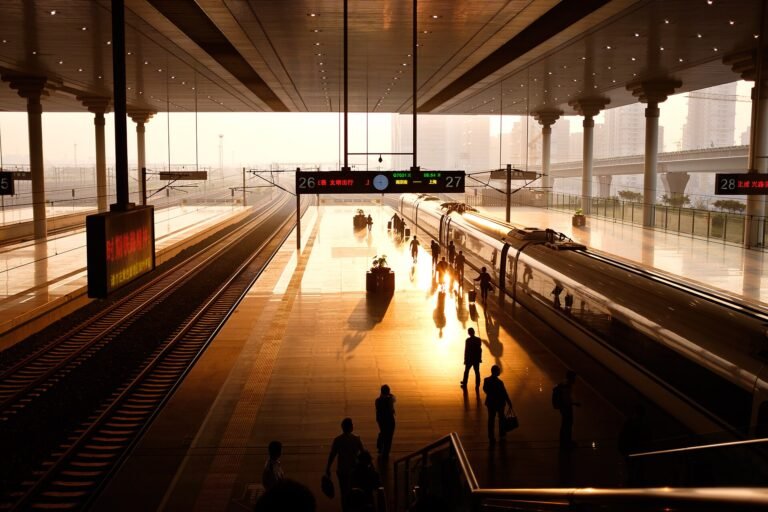
Jinan is flat and compact, which makes it one of the easier Chinese cities to cover without a plan. The metro is small but useful, ¥2–4 a ride, and buses are ¥1–2. I mostly walked: the springs, the lake, and the old quarter are all within a 3 km loop of each other. Ride-hailing is cheap and reliable, with cross-town trips rarely above ¥20. The high-speed train from Beijing takes roughly 1.5 to 2 hours and runs constantly through the day, so you can arrive late and still have a full evening. One practical tip: the station is a few kilometres from the spring cluster, so budget a short ride or a 30-minute walk north. I walked it once and it’s flat and dull; I rode it the second time and arrived fresher. The bike-share scheme is widespread and the flat terrain makes it ideal, though the traffic takes some nerve at busy junctions.
A season-by-season plan
The springs don’t change, but the city around them does. Here’s how I’d time it. The springs run year-round, but the experience shifts: spring brings the strongest flow after winter rain, summer sends everyone to the shaded lake paths, and winter lays a thin steam over the warmer vents that photographs beautifully against the bare willows. I caught autumn on my visit and would pick it again without hesitation.
| Season | Weather | Crowds | What to do |
|---|---|---|---|
| Spring (Apr–May) | Mild, 15–25°C | Light | Springs at full flow, lake walks |
| Summer (Jun–Aug) | Hot, humid | Moderate | Evening springs, indoor museums |
| Autumn (Sep–Oct) | Cool, clear | Light | Best all-round window |
| Winter (Dec–Feb) | Cold, still | Very light | Steam over warm springs, empty parks |
Autumn is the answer if you can choose. The springs run strong after the rains, the lake is calm, and the light on the willows is forgiving for photos.
Springs, lake, or mountain?
Visitors often ask which single sight to prioritise. My honest ranking:
| Sight | Effort | Pay? | Best for |
|---|---|---|---|
| Baotu Spring | Low | Yes (~¥40) | The icon |
| Daming Lake | Low | Free edges | A long calm walk |
| Thousand Buddha Hill | Moderate | Yes | City panorama |
| Black Tiger Spring | None | No | Local life |
Daming Lake is the sleeper. The park is free at its edges and you can walk the whole shore in an hour, watching locals fish and paddle. The mountain parks are tamer than the temples near Chengde Travel Guide, but the view back over the flat city and its scattered water is worth the climb.
What to eat
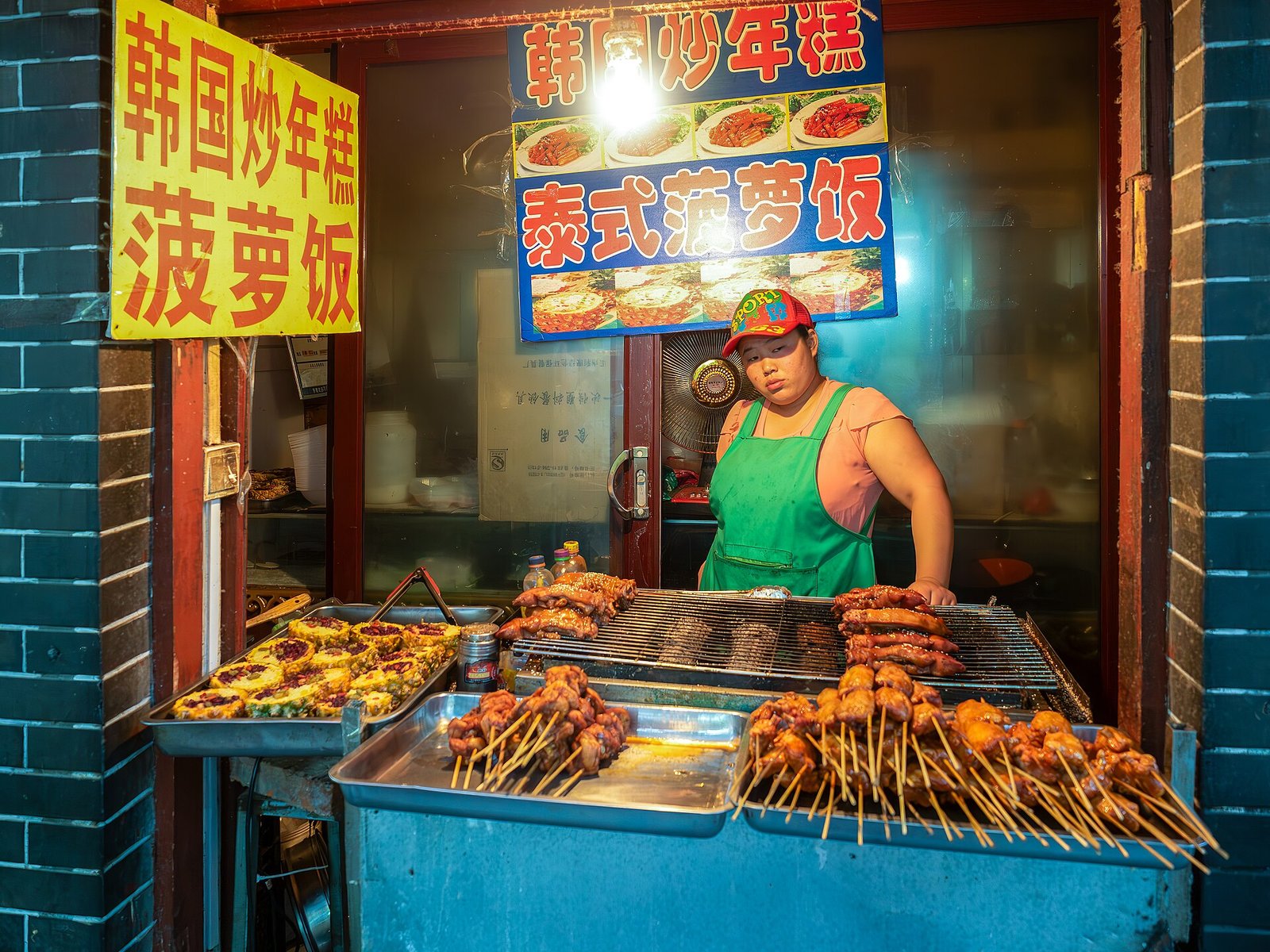
Shandong cuisine is the genteel elder of Chinese regional cooking — savoury, briny, not chilli-driven. The signature is sweet-sour carp, a whole fish in a glossy sauce that tastes better than it sounds, about ¥48 a plate. Street food leans to grilled skewers, scallion pancakes, and a serious breakfast of congee and youtiao. The pace is slower than Chengdu explained suggests for Sichuan, and the flavours are milder than the rice-and-chilli heat you’d meet in all about changsha. For a coastal contrast, my notes on dalian cover the seafood this inland city lacks, but Jinan’s wheat-and-vinegar cooking holds its own. The breakfast scene is worth setting an alarm for. A congee-and-youtiao stall near the lake opens at 06:00 and does a ¥6 set that locals queue for; I ate there twice and the second time the owner refused to let me pay extra for the pickle. That kind of small generosity is the part of Jinan that stuck with me longer than any single sight.
Practical numbers
Budget roughly ¥120–180 a day if you’re watching spend: a hostel or budget hotel at ¥90–150, street food at ¥40, and buses at ¥1–2. Mid-range doubles that with a proper hotel and restaurant dinners. The train from Beijing is ¥120–180 one way; from the coast it’s a similar hop. Best months are April–May and September–October. There are no hills like everything you need to know about chongqing, so don’t pack for climbs — comfortable shoes for flat walking are enough.
Where Jinan sits on a Shandong trip
I’d use Jinan as the gentle hinge between the capital and the coast. It is calmer and warmer in manner than the far-northern Changchun, and an easy half-step before the bigger draws. Slow travellers who enjoyed how dali is really done will recognise the same unhurried lake walk here, swapped from plateau to plain, and the city asks nothing more of you than a willingness to sit by the water. Logistically it’s a dream: trains run so frequently that you can treat it as a half-day pivot between the capital and the coast without booking weeks ahead. I’d resist that temptation and give it a night, because the springs are best at the edges of the day when the light is low and the crowds have gone home.
Frequently Asked Questions
Q: How many days do I need in Jinan? A: One full day covers Baotu Spring, the lake, and the old quarter; two lets you add the hill and the free springs without rushing.
Q: Are the springs really natural? A: Yes — they’re artesian flows from the limestone aquifer, cold and continuous. The landscaping is managed, but the water is genuine.
Q: Is Jinan expensive? A: No more than other provincial capitals, and the free springs and lake keep sightseeing cheap. I kept to ¥150 a day comfortably.
Q: Can I visit as a day trip from Beijing? A: Easily. Trains take 1.5–2 hours each way, so a long day is feasible, though an overnight is more relaxed.
Q: What’s the food like for spice-sensitive eaters? A: Gentle. Shandong cooking is savoury, not hot; tell stalls “bu la” (not spicy) and you’ll be fine.
Q: When is the worst time to go? A: Deep winter is cold and the outdoor appeal drops, though the empty parks have a quiet charm if you don’t mind the chill.