Weihai in Three Days: Where to Stay and Wander
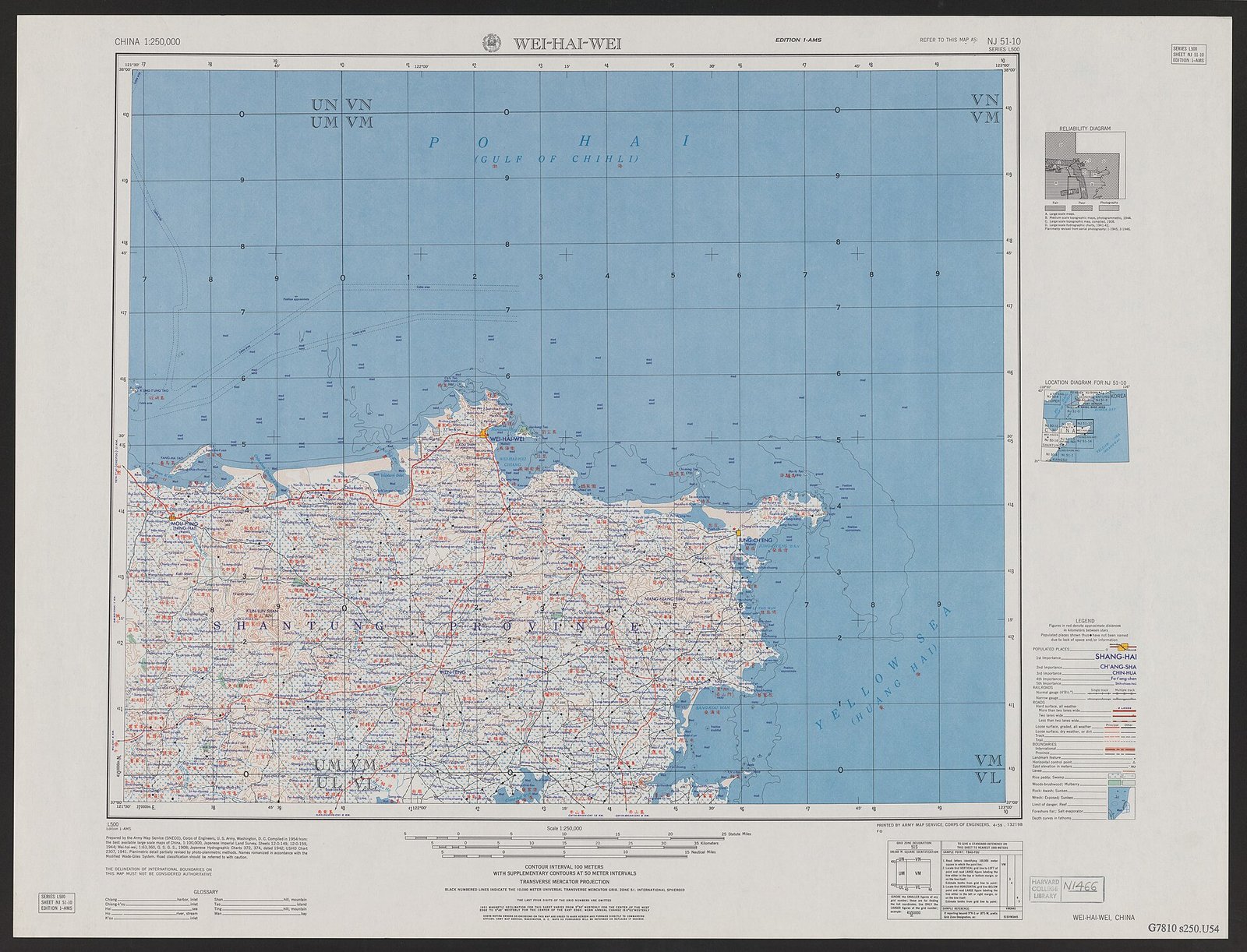
A taxi driver in Weihai asked me, within five minutes of leaving the station, whether I’d come for the seafood or the “little Korea.” He wasn’t wrong. This small city on the far eastern tip of Shandong is the closest Chinese port to the Korean peninsula, and the harbour district hums with Korean signage, barbecue smoke and shopkeepers who switch languages mid-sentence. I arrived expecting a sleepy fishing town and stayed for the calm.
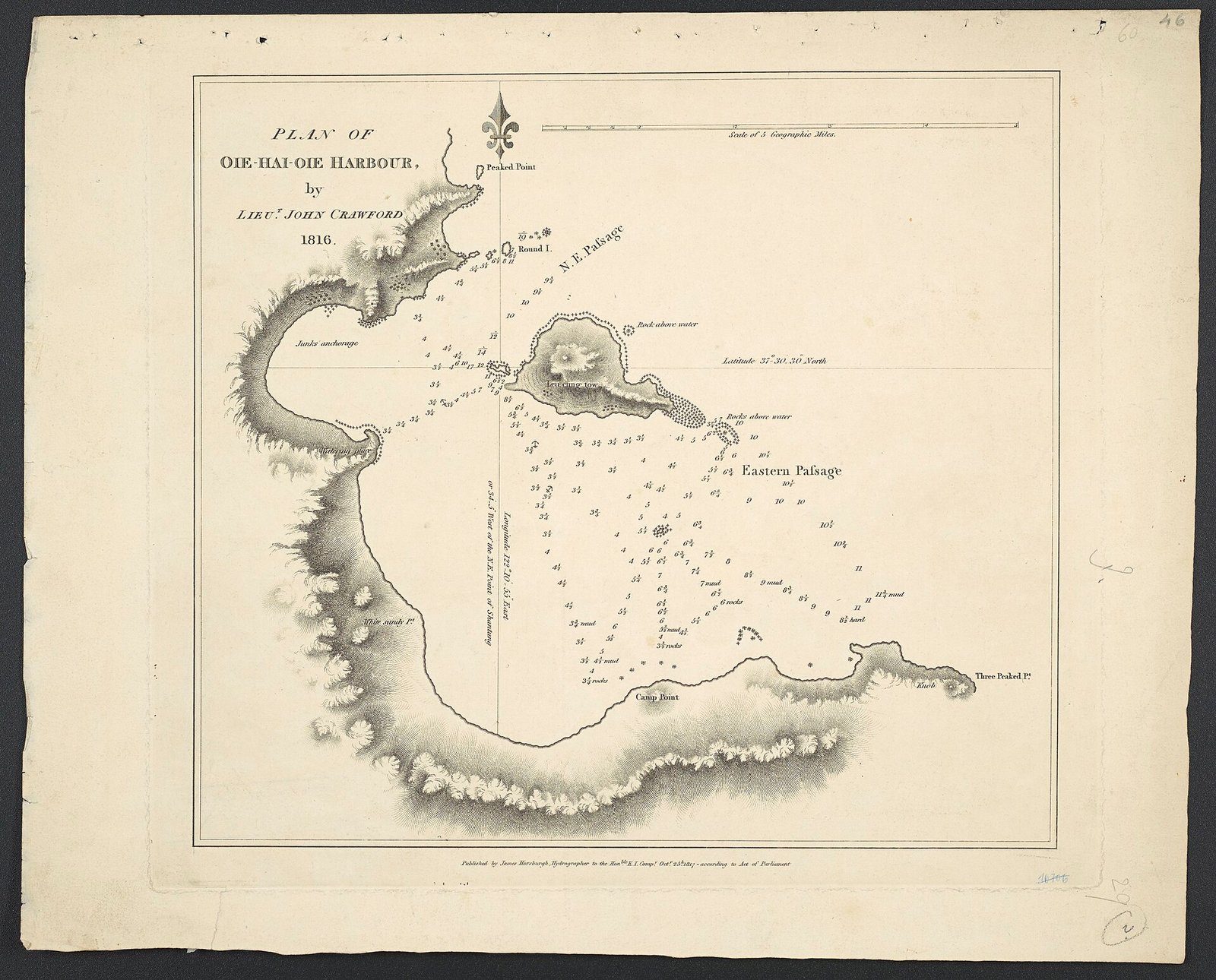
Weihai was leased to Britain as Weihaiwei from 1898 to 1930, a fact you can still read in the red-brick buildings near the old barracks. As Wikipedia notes, it later became the base of the Beiyang Fleet, and that naval history is the reason Liugong Island — the city’s headline sight — is as much museum as scenery. I gave it three days and left feeling I’d barely scratched the coast.
Where to stay
Split your choice between two areas. The Huancui old town, inland around the train station, is cheapest and best for transport, with clean hotels from RMB 160 a night and hostels around RMB 70 for a dorm. The coastal strip near the International Bathing Beach costs more (RMB 280–450 for a decent sea-view room) but lets you walk to the water in pyjamas. I picked the coast and never regretted the premium — the 6am light over the Yellow Sea is the free entertainment, and the evening promenade crowd is gentle compared with China’s bigger resorts.
If you’re building a northern China route, Weihai works as a slow finale after the imperial weight of Chengde Travel Guide, or as a quiet coastal breather if your loop also includes the long cold stretches of Changchun. The two couldn’t feel less alike, which is exactly why they pair.
I stayed at a small family hotel three blocks back from the beach for RMB 210 a night, and the owner lent me a folding chair for the sunrise. That kind of small generosity is the city’s signature — nobody’s in a hurry, and the front desk will happily write your next destination in Chinese on a card so the taxi understands. Book the coast for the view, but don’t pay the premium for “sea view” on a higher floor; the difference is one tree.
Getting around without the stress
Weihai’s centre is compact enough to walk, but the sights spread along 30km of coast. Buses are RMB 1–2 and frequent, though stop names are Chinese-only, so I kept a translation app open. The coastal bike lane is the real win: kiosks rent e-bikes for RMB 20 an hour, and I rode from the International Beach to Xiaoshi Island in under an hour with the sea on my left the whole way. Taxis start at RMB 8 and the drivers are chatty but honest; I never felt overcharged.
Day one: the coastline and the old quarter
Begin at the International Bathing Beach and walk east. The promenade is flat, about 40 minutes end to end, and passes the Weihaiwei British-era buildings — the former administration block now houses a small exhibition. Entry is free and the grounds are the best place to grasp how a British lease left its stamp on a Shandong headland. The old barracks a few streets inland are being slowly restored, and the contrast between the red brick and the grey modern city behind it is quietly striking.
Lunch should be seafood. At the harbour wet market I bought a kilo of live prawns for RMB 46 and paid a neighbouring stall RMB 15 to boil them. That same plate in a restaurant would be RMB 98. The trick is pointing at the tank and agreeing the weight before they scoop, then finding the cook stall with the steamers rather than the one with the menus. In the evening the same market turns into a snack row: I worked through RMB 20 of grilled scallops with garlic, a corn cake for RMB 5, and a cup of warm soybean milk for RMB 3, all while the fishing boats came back in.
Spend the late afternoon on the old quarter’s back streets rather than the main drag. The red-brick former barracks now hold a handful of cafés and a small museum on the lease period that’s free to enter and takes twenty minutes. It’s the clearest window into why this corner of Shandong looks faintly like a English seaside town that took a wrong turning.
Liugong Island — history on the water
The ferry to Liugong Island leaves from the tourist pier every half hour in season, a 20-minute crossing, and the combined ticket covering the island museums ran about RMB 130 when I visited — check the official site before you go, as the bundle and the closing time shift with the season. The island holds the Beiyang Fleet memorial, a former naval academy and wooded walking tracks. Allow four hours, and bring water; the cafés on the island are limited and pricey.
| Question | My take |
|---|---|
| Worth the ferry? | Yes — it’s the one sight that explains the city’s whole story |
| How to get there | Walk-up ferry from the tourist pier; no need to pre-book outside holidays |
| Who it suits | History readers, families, anyone who likes islands without the resort |
| Skip if | Seas are rough and you get queasy — the crossing gets bumpy |
Korean food and the harbour kitchens
Weihai’s Korean restaurants are the real deal, run by expat families, not themed chains. A plate of grilled mackerel, a bowl of cold naengmyeon and a side of kimchi set me back RMB 55 in the harbour district. The clusters sit within a 10-minute walk of the ferry terminal, so do this on your Liugong Island day and eat on the way back. The contrast with the numbing heat of everything you need to know about chongqing or the slow simmer of Chengdu explained is part of the fun — Weihai eats light, and after a week of chilli my stomach thanked me.
Day two and three: beaches, trails and a slow loop
Day two is for the lesser beaches. Xiaoshi Island (小石岛) on the western edge has rocky tide pools and a sunset that pulls half the city out with their phones. I rented a bike from the coastal kiosk for RMB 20 an hour and rode the dedicated lane — I covered 14km before my legs complained, stopping twice for the view and once for a RMB 10 corn from a roadside cart.
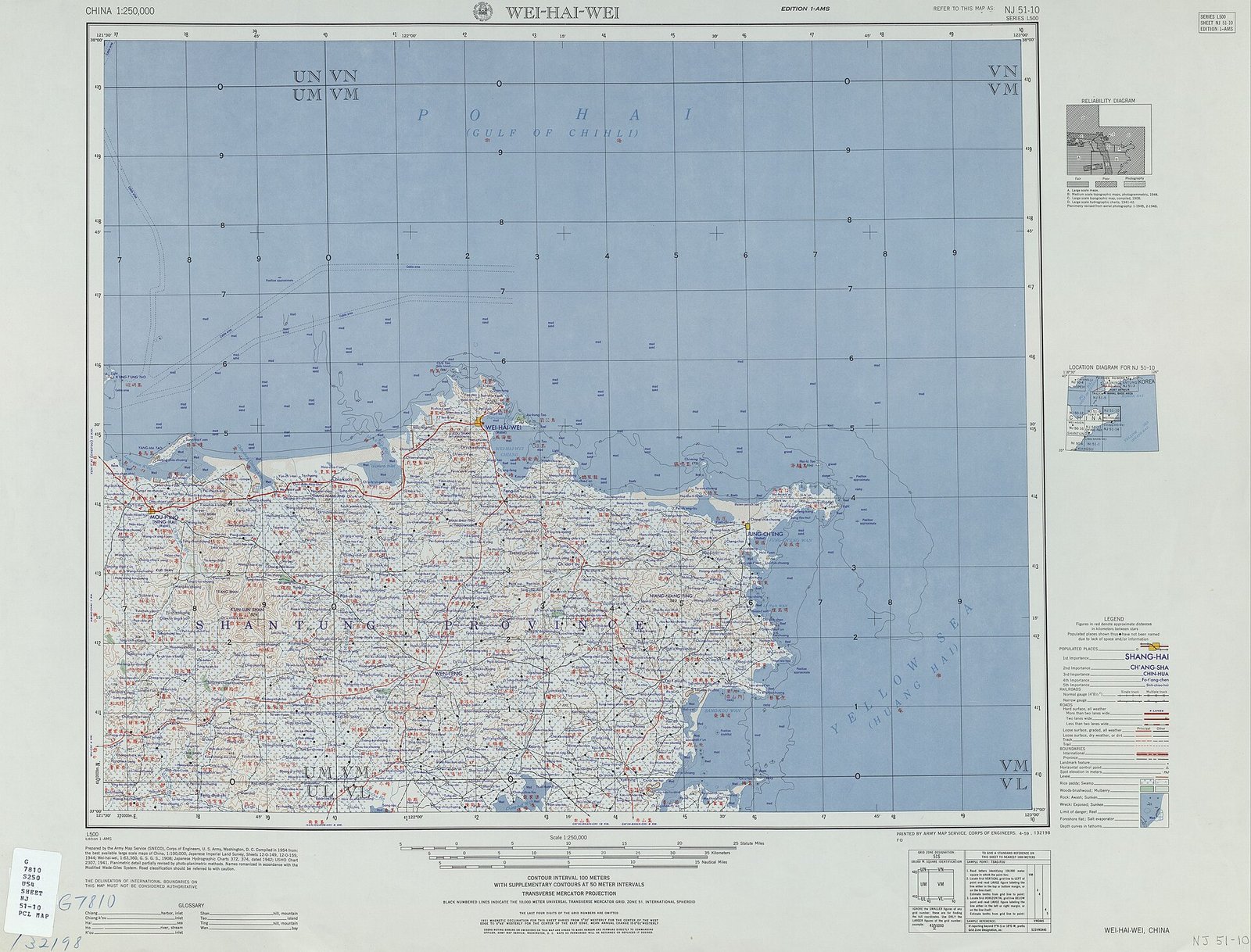
Day three, if the weather holds, take the bus to Chengshantou (成山头), the easternmost point of the Shandong peninsula, about 90 minutes by coach (RMB 25). The cliff where the mainland meets the open ocean is dramatic and, on a clear day, you can see the haze of the Korean coast. Pack a lunch; the on-site food is pricey and dull. If the wind is up, swap it for the Huaxia City cultural park on the city edge, which has a decent acrobatics show in the afternoon for around RMB 80.
When to go and what it costs
May to early June and September to mid-October are ideal: mild, dry and free of the July–August domestic crush. April brings cherry blossoms along the coastal road, and the local ones are smaller and sweeter than the imports. I’d skip deep winter — the wind off the Yellow Sea cuts through every coat, and the ferries thin out.
A three-day budget for one, mid-range, looks like: hotel RMB 900, food RMB 360, ferries and buses RMB 200, miscellaneous RMB 150 — roughly RMB 1,600 all in. Backpackers halve the lodging. If your travels also touch the highland calm of how dali is really done or the southern heat of all about changsha, Weihai makes a neat, breezy northern bookend, and it’s an easy add-on from Beijing by high-speed rail in around six hours.
Frequently Asked Questions
Q: How do I get to Weihai from Beijing? A: The high-speed train runs roughly six hours with a change, second class around RMB 400–500. Some fly via Qingdao or Yantai and transfer by bus.
Q: Is three days enough? A: Comfortably. One day for Liugong Island, one for the coastline and Korean food, one for the Chengshantou day trip. Two days is possible if you cut the outer peninsula.
Q: Is Weihai good for solo travellers? A: Very. It’s safe, walkable, and the food markets let you eat well without a group. English signage is limited, so have your hotel write addresses in Chinese.
Q: What’s the Korean food situation like? A: Genuine and cheap. The harbour district has dozens of family-run spots; a filling meal rarely tops RMB 70.
Q: Can I swim? A: Yes from late June to early September at the managed bathing beaches, where lifeguards and changing rooms operate. The water is cooler than the south China coast.
Q: Does the 144-hour transit visa apply here? A: Weihai isn’t a standard entry port for that scheme; rules change, so check the official site before you go rather than assuming.