Okra the Chinese Way: Stir-Fried, Steamed and Pickled
The first pan of okra I ever cooked, in a rented flat in Xi’an, ended up looking like glue. I had read somewhere that okra was a Southern American thing, so I sliced the pods into thin coins, dropped them into a wet pan with tomatoes, and stirred the mixture with the patience of a saint. Twenty minutes later I had a green paste that clung to the spatula, the pan, and my dignity. My flatmate — a Shaanxi woman who had grown up eating the stuff — looked at it and said one word: “Why?”
Why indeed. The Chinese approach, it turns out, solves the slime problem before it starts, and it took me two more ruined batches to understand that the solution isn’t a trick. It’s a whole framing. Chinese cooks treat okra as a texture vegetable, cook it fast and dry or cook it whole, and never — never — give it a long wet braise. Once I stopped cooking okra like gumbo, it became one of the most reliable vegetables in my kitchen.
What the Chinese kitchen does with okra
Okra is a relative newcomer to China. The plant itself — Abelmoschus esculentus, if you like Latin, as the Wikipedia entry on okra makes clear — came to East Asia by way of India and only became a common sight in Chinese markets in the last thirty years. That matters, because Chinese cooks adopted it without any inherited tradition to constrain them. They simply applied the logic they use for every other vegetable: quick cooking over high heat, or gentle steaming, and a dressing that does the heavy lifting.
Compare that with the two framings most Western readers know. In India, bhindi masala embraces the okra’s texture and works around it with dry spice and long frying. In Louisiana, gumbo uses okra precisely because of the slime — it’s a thickener, a structural ingredient. China takes the third path: treat the mucilage as a flaw to be engineered around, not a feature to be exploited. The result is okra that snaps when you bite it.
Buying and prepping: small pods, dry knife
Everything starts at the market. Look for pods no longer than your index finger — eight to ten centimetres is the sweet spot. Big pods are fibrous and hollow, and no technique rescues them. The pods should snap cleanly when bent; if they bend like rubber, walk away.
Two rules for prep, and I learned both the hard way. First, don’t wash the pods before cutting them. Water on the cut surfaces is what draws the mucilage out, so wash, dry thoroughly, then trim. Second, trim the stem end shallowly — just shave off the cone tip without cutting into the seed chamber. Cut deep and you open the door for the slime to escape during cooking.
Okra and eggs, the ten-minute stir-fry
This is the weeknight workhorse, the version you’ll make most often. Trim half a kilo of pods into diagonal chunks about two centimetres long — the wide diagonal cut means fewer exposed seed chambers per bite. Beat three eggs with a pinch of salt in a separate bowl.
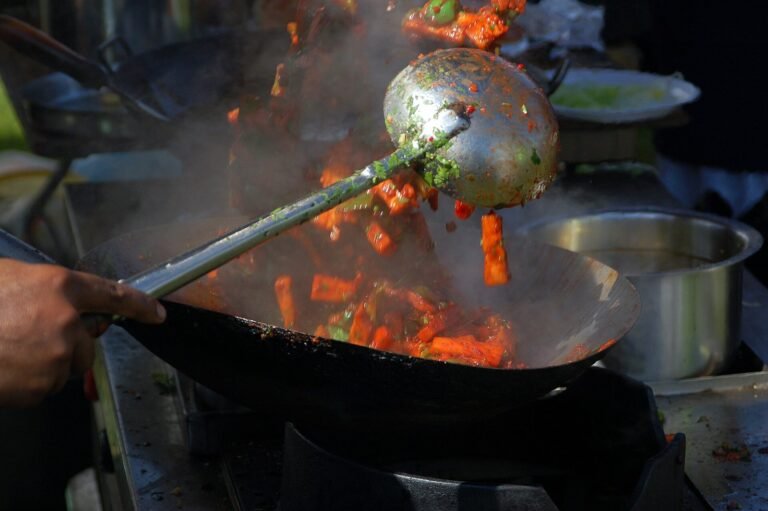
Heat a wok until it smokes lightly. Add two tablespoons of oil, then the okra alone. Here’s the discipline: leave it alone for a full ninety seconds. Every time I’ve rushed this stage and started stirring early, I’ve ended up with steam, not fry, and steam is the enemy. After ninety seconds the pods pick up a little char and the surfaces have dried out. Stir for another minute, add salt, a splash of light soy sauce, and push everything to the side. Pour the eggs into the empty half of the wok, let them set for ten seconds, then toss everything together. Total time from heat on to plate: under ten minutes.
If you want a richer, more northern version, fry a teaspoon of fermented black beans in the oil before the okra goes in — there’s a full rundown in my piece on everything you need to know about chinese black bean sauce. The salted, winey depth of the beans suits okra’s grassiness better than garlic alone does.
Steamed okra with garlic dressing
The steamed version is the one you’ll see on restaurant cold-starter menus, and it’s the gentlest introduction for anyone who claims to hate okra. Steam whole, untrimmed-beyond-the-tip pods for six to seven minutes — whole pods mean no escape route for the mucilage, and six minutes keeps them crisp rather than floppy.
While they steam, make the dressing: three cloves of minced garlic, two tablespoons of light soy sauce, one teaspoon of sugar, and — this is the part that makes it Chinese rather than generic — a half-teaspoon of black vinegar. The sharp, smoky sourness cuts straight through any residual slick. My full method is in the guide on how chinese black vinegar is really done. The sour logic here is the same one that drives a good Hot And Sour Soup: acid first, everything else supporting. Pour the dressing over the pods while they’re hot so the garlic just barely cooks.
Pickled okra, the Sichuan way
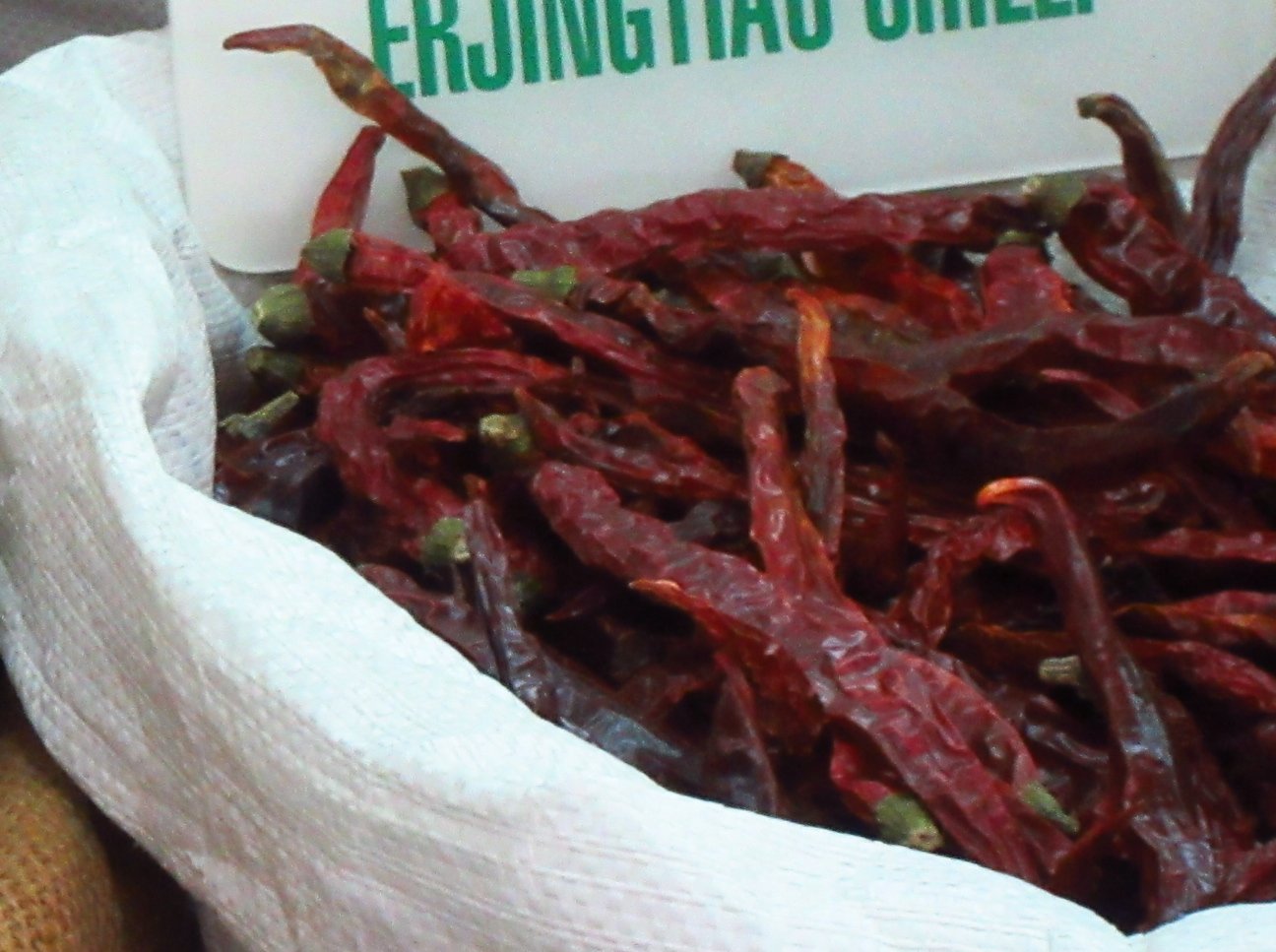
A bag of okra is always more than one meal, and the pickle is the answer to the surplus. The brine is simple: 200 millilitres of rice vinegar, 100 millilitres of water, 40 grams of sugar, 10 grams of salt, a few dried chillies, and a small piece of cassia bark for that quiet, woody warmth underneath — I’ve written up my notes on chinese cassia bark, which is doing more work in brines than most people realise.
Blanch the whole pods in boiling water for exactly sixty seconds, shock them in cold water, pack them into a sterilised jar, pour the cooled brine over, and wait. Two days is the minimum; a week is better. The pods come out sour, faintly sweet, still crunchy — the kind of side dish that disappears before the mains do. On the second day of eating them straight from the jar, I started spooning chilli oil over them, and there’s a whole world of that condiment covered in my Chili Crisp explained piece.
The slime question, answered properly
Let’s deal with the mucilage head-on, because it’s the reason people fear this vegetable. The mucilage is water-soluble, and it comes out when three things happen at once: the pod is cut, the pan is wet, and the cooking is slow. Remove any one of the three and the slime mostly stays put. That’s why the Chinese repertoire looks the way it does — the stir-fry removes the wet pan and the slow cooking, the steam removes the cutting, and the pickle removes everything and adds acid, which masks what remains.
One more trick worth having: the smashed cold salad. Steam the pods, cool them, then bash each pod once with the flat of a cleaver and dress it. The crushing releases just enough of the slick juice to bind the dressing into a sauce — and if you mash a century egg into the dressing, as I describe in my Century Egg Guide, you get a cold dish with a silky, savoury coating that tastes far richer than its ingredient list suggests.
Here’s how the three main methods stack up:
| Method | Prep | Time | Texture | Best dressing |
|---|---|---|---|---|
| Stir-fried with eggs | Diagonal chunks, dry pods | Under 10 min | Charred edges, snappy centre | Light soy, salt, optional black beans |
| Steamed whole | Trim tip only | 6–7 min | Crisp-tender, clean | Garlic, soy, black vinegar |
| Pickled | Blanch 60 sec | 2 days–1 week | Crunchy, sour | Chilli oil, or eaten plain |
Fitting okra into the rest of the meal
Okra is a side-dish vegetable in China, not a centrepiece, and it pairs best with heavier mains. One honest warning from experience: don’t try it as a dumpling filling. The mucilage turns the filling gluey and the flavour gets lost behind the pork — if you want a green that survives being folded into dumplings, my walkthrough of How To Make Chinese Dumplings points you towards better candidates. For the same reason, spring vegetables like bamboo shoots — I’ve covered all about bamboo shoots separately — share okra’s preference for quick, dry cooking over wet braises, and the two make a natural pairing on a spring table.
Frequently Asked Questions
Do I need to slice okra before stir-frying? Preferably not into thin coins. Diagonal chunks around two centimetres long keep the seed chambers mostly sealed, which is where most of the mucilage lives. Thin slices are exactly what turned my first attempt into glue.
Why are my steamed okra pods slippery anyway? You’re probably steaming them too long, or you trimmed them too deep. Six to seven minutes for finger-length pods, stem tip shaved only, and they stay crisp. Over twelve minutes, any pod surrenders.
Can I use frozen okra for the stir-fry? You can, but thaw it fully and pat it bone-dry first, or the surface water will steam the pods instead of frying them. Frozen okra is best saved for the pickle, where a sixty-second blanch is part of the plan anyway.
What do I serve pickled okra with? Congee, plain rice, anything rich and fatty. It’s an acid-and-crunch side dish, so it earns its keep next to braised pork or fried rice rather than next to another sour dish.
Is okra healthy? It’s a reasonable source of fibre and vitamin C, and low in calories. I’m a cook, not a dietitian, so I’ll stop there — I eat it because it’s quick, cheap and tastes good with garlic.
How do I stop the slime in a stir-fry if I’ve already sliced the pods? Dry everything, heat the wok properly, and resist stirring for the first ninety seconds. If it still turns slick, a few drops of vinegar at the end will sharpen the dish and mask the texture. It happens to everyone once.