
China 144-Hour Visa-Free Transit: City by City
I found out about the 144-hour visa-free transit rule the embarrassing way: at a check-in counter in Frankfurt, holding a printed itinerary that did not qualify. I had booked Singapore to Beijing to Singapore, assume the stop was “transit”, and been waved through by an airline agent who clearly thought I knew what I was doing. At the gate a supervisor spotted the problem — an immediate return to the same country is not transit under the scheme — and I spent forty minutes rebooking a Beijing to Shanghai to Singapore segment while my name was called over the PA. The trip still happened. It just started with a lesson — and that lesson is the point of this guide. The 144-hour rule is one of the most useful tools in Chinese travel, and one of the most misunderstood. Get it right and a layover becomes six days in a real city. Get it wrong and you are sleeping in the terminal.
What the 144-hour rule actually is
Put simply, eligible foreign nationals can enter mainland China without a tourist visa for up to 144 hours (six days) when travelling onward to a third country or region, through designated ports. As Wikipedia notes on China’s visa policy, the scheme was introduced to encourage stopovers and has been expanded repeatedly since, with the list of eligible ports and nationalities changing over time.
The details that trip people up:
- Your onward ticket must be confirmed and dated within the window.
- You must arrive and depart through ports that are officially listed for the scheme — not just any airport.
- The clock counts in whole days from 00:00 the day after arrival, not hour by hour from landing.
- You cannot leave the permitted region, which is usually the province or group of provinces attached to that port.
This is not the same as a full tourist visa, and it is not a loophole for a return flight home. If you are unsure whether your route qualifies, that is exactly when you need a proper China Visa sorted out before you fly. Policies shift, so check the official site before you go and treat everything here as a framework, not a guarantee.
The cities that make the best stops
Not every qualifying port is worth six days. Some are industrial cities where the interesting part is an hour from the airport and the rest is hotel. These five are the ones I would actually choose, each for a different reason.
Beijing: the heavyweight
Beijing is the obvious first pick and the one where six days makes the most difference. The Forbidden City, the Great Wall at Mutianyu, the hutong lanes and the Summer Palace could fill a fortnight; in six days you choose three and accept that you will be tired. The clock detail matters here more than anywhere: land on a Monday and you effectively have until Sunday midnight, which is genuinely a week of sightseeing compressed into six nights.
The airport link is fast — the Airport Express reaches the centre in roughly half an hour — so a same-day hutong walk is realistic even after a long flight. I would not attempt a Wall trip on arrival day. Save it for day three, once your body clock has caught up.
Shanghai: the easy one
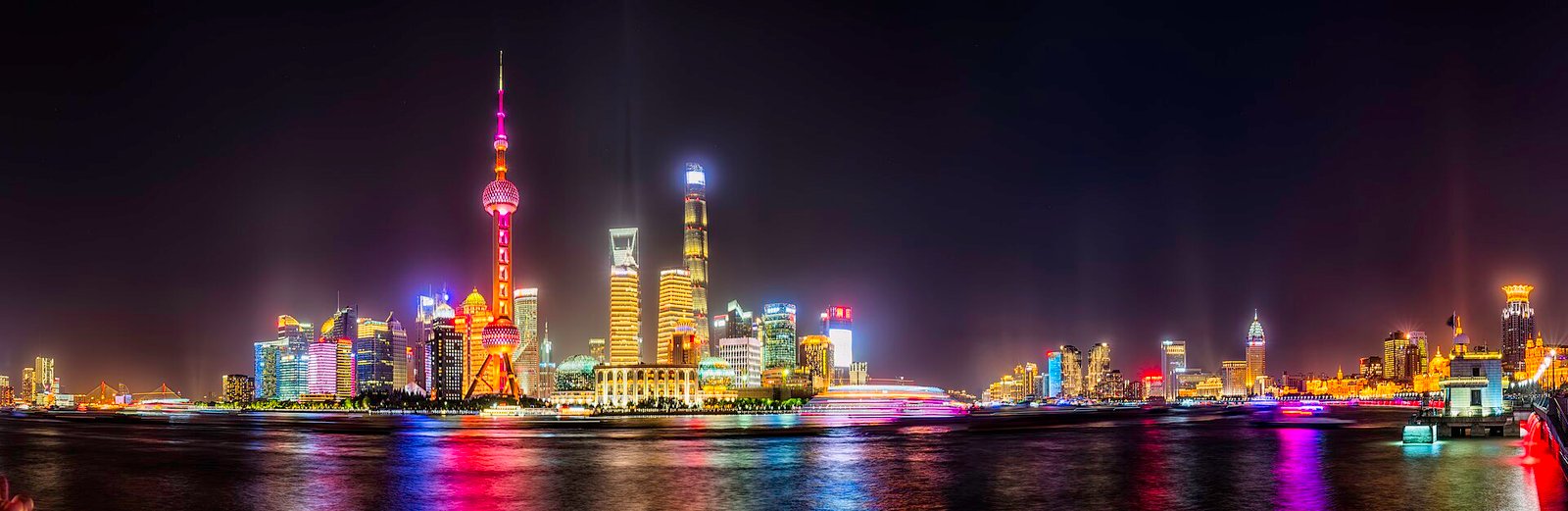
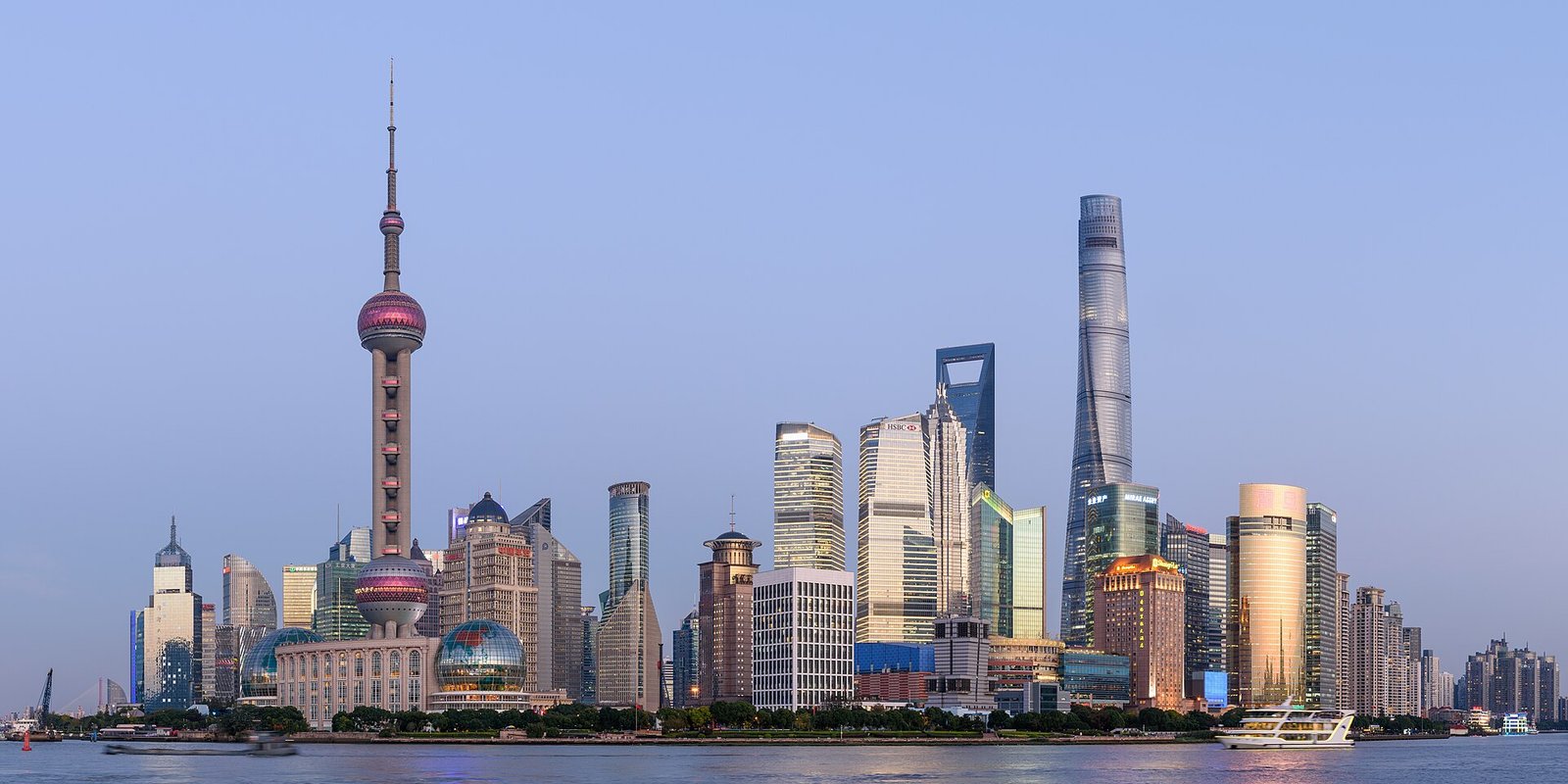
Shanghai is my default recommendation for a first 144-hour experiment. Both Pudong and Hongqiao are major international ports, flights are frequent, and the city runs on a level of English-language infrastructure that makes a short stop painless. A night on the Bund, a morning in the French Concession and a day trip to a water town fit comfortably.
If your layover is only a few hours rather than six days, Shanghai still works: I once did a nine-hour one, taxi in, walked the Bund, ate noodles, taxi back. The Best Apps China Travel I rely on — maps, translation and ride-hailing — made that possible without a local phone number.
Chengdu: for food and pandas
Chengdu is the stop I now push hardest: giant pandas and Sichuan food in a city that is easier to navigate than Beijing. The panda base is best early, the old-city tea houses make a proper afternoon, and six days lets you add Leshan without rushing. Two caveats: the summers are genuinely uncomfortable, so the advice in Best Time To Visit China applies double here, and the good hotpot places do not take bookings from foreigners reliably — expect a queue and a number ticket.
Xi’an: history in a small package
Xi’an is compact enough that six days is more than you need, which is oddly relaxing. The Terracotta Army takes a full day, the city walls another, the Muslim Quarter an evening, and the Shaanxi History Museum a morning you will remember. Everything is reachable by metro or a short taxi.
The trick is pairing it with a second city, because the high-speed rail makes it a natural half of a central-China loop. If both your flights touch the region, Xi’an and Luoyang fit in one window without backtracking.
Chongqing: the vertical city
Chongqing is for people who have done Beijing and Shanghai and want something stranger. It is built across hills and rivers, so navigation apps will send you up twelve flights of stairs and out on a different street. Hongyadong at night is the postcard; the older lanes and river ferries are the real reward. Use the window slowly — two days covers the main sights, leaving time for a hotpot lunch that stretches into the afternoon.
Making the paperwork work
The theory is simple; execution is where people come unstuck. Here is the routine I follow.
Before you fly: confirm your arrival port is on the official 144-hour list, print your onward ticket, and carry a printed hotel address in Chinese. Immigration officers move quickly and appreciate a tidy folder. Airline staff at your departure airport are often poorly briefed on the scheme, so bring the official policy text with you rather than relying on them to know it.
On arrival: take the 144-hour or visa-free transit lane, not the general queue. Have your passport, onward ticket and accommodation details out before reaching the desk. You will usually be given a temporary entry permit; keep it, because hotels need it and you may be asked for it on departure.
During the stay: remain within the permitted area. This is the rule people break without realising — if your entry port is in Sichuan, a spontaneous train to a neighbouring province can put you outside the zone. I have met travellers stopped at a railway checkpoint and told to turn around.
On departure: allow extra time. The exit desk for transit visitors is separate, and the check-in agent may need to see the same paperwork again.
If all of this sounds like a lot to coordinate alone, it is worth reading all about best china tour companies — a local operator can meet you at the gate and remove most of the friction, which matters when your whole trip is only four nights.
Where to sleep and how to plan the days
Accommodation is not a small decision on a short stay. You want somewhere near a metro line, with English-speaking staff, and flexible enough to handle a permit-based check-in. The advice in Book Hotels China explained covers the practical side; for a layover I would add one rule: book somewhere you can reach in under an hour from the airport, because the first night is always more tiring than you expect.
| Stop length | Best city pick | What is realistic |
|---|---|---|
| 24 hours or less | Shanghai | One waterfront walk, one good meal, no major sights |
| 2–3 days | Chengdu or Chongqing | Panda base or city core, plus a long food afternoon |
| 4–6 days | Beijing or Xi’an | Three headline sights and a day trip, at a humane pace |
| One week plus | Beijing + Xi’an | Two cities by high-speed rail on a single entry window |
The mistake I see most often is treating a six-day window as six full days. Between arrival, departure and one day of jet lag, you have about four and a half usable days. Plan for that number and you will enjoy the trip; plan for six and you will spend it checking the time.
A short stop also changes your thinking about weather. If your window lands in a bad month, choose a southern city over a northern one — the seasonal logic above is worth applying before you commit to a Beijing winter.
When the layover becomes the trip
There is a funny thing about six free days in China: a surprising number of people decide they want more. I have watched it happen in the departure lounge, as fellow travellers compare notes and quietly change their return flights.
If that is you, the next step is a longer route that keeps these cities but adds the ones a transit window cannot reach. For a first step, everything you need to know about china 10 day links Beijing, Xi’an and Shanghai in a loop that fits neatly on the cities above. For a slower journey into the southwest, how china 2 week is really done shows how the same entry cities become the start and finish of a much bigger circle.
The 144-hour rule does not replace that planning. It gives you a taste of it, at almost no extra cost, on a trip you were making anyway. That is a good deal — provided you learn the rules before you reach the check-in desk.
Frequently Asked Questions
Does the 144-hour scheme apply to every passport? No. Eligibility depends on nationality, and the list changes — check the official source before booking.
Can I fly into Beijing and leave from Shanghai? Usually no. You generally must depart from a port in the same permitted region as arrival; verify the current grouping.
Does the clock start when my plane lands? No. It is counted in whole days beginning at 00:00 on the day after arrival. That extra buffer is one of the scheme’s best features, but you still need a confirmed onward ticket inside the window.
Can I extend the stay once I am in China? Do not assume so. Extensions are limited and handled by local authorities. Plan the trip you were approved for rather than counting on an extra day.
Do I need a hotel booking before arrival? In practice, yes. Immigration frequently asks for an address, and hotels need your temporary permit to check you in. Book somewhere cancellable, but book it.
Is this the same as the 240-hour transit policy I have read about? They are separate schemes with different conditions and port lists. Policies evolve, so check the official site before you go and rely on the rules published for your exact dates.


