Yangshuo Travel Guide: What to See, Eat and How to Get Around
A man in a straw hat pulled his bamboo raft alongside mine and asked, in broken English, “You come Guilin? Too many bus. Here, quiet.” He was right. Yangshuo is what most people actually picture when they say “Guilin scenery” — the same karst towers, but spread out, slower, and reachable on two wheels. I spent four nights and left wishing for four more.
Yangshuo is a county town in Guangxi, about 65 kilometres downstream from Guilin, and the built-up centre is small enough to cross on foot in twenty minutes. As Wikipedia notes, Yangshuo County has drawn foreign travellers since the 1980s precisely because the landscape around the town is the most concentrated stretch of those peaked hills. The famous view on the RMB 20 note is taken nearby, which tells you how photogenic the valley is.
What to see
The headline sight is the open valley itself, and the best way to meet it is the river. Bamboo rafts leave from several docks; a short ride runs about RMB 100–150 per person, while the longer drift toward Xingping costs more and takes most of a morning. I preferred the early raft before 09:00, when the mist still sits in the folds of the hills and the only sound is the rower’s pole.
On land, the Moon Hill and the Big Banyan Tree are the postcard stops south of town, both reachable by bike in under an hour. Moon Hill has a genuine limestone arch you can walk through for about RMB 30, and the climb to the top is a stiff twenty minutes with a real view. Closer in, the Riverside Park path behind West Street is free and lovely at dawn.
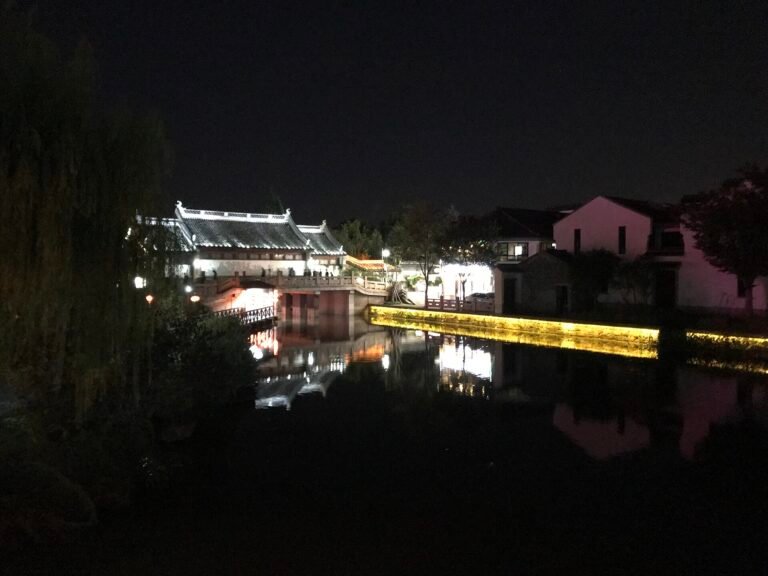
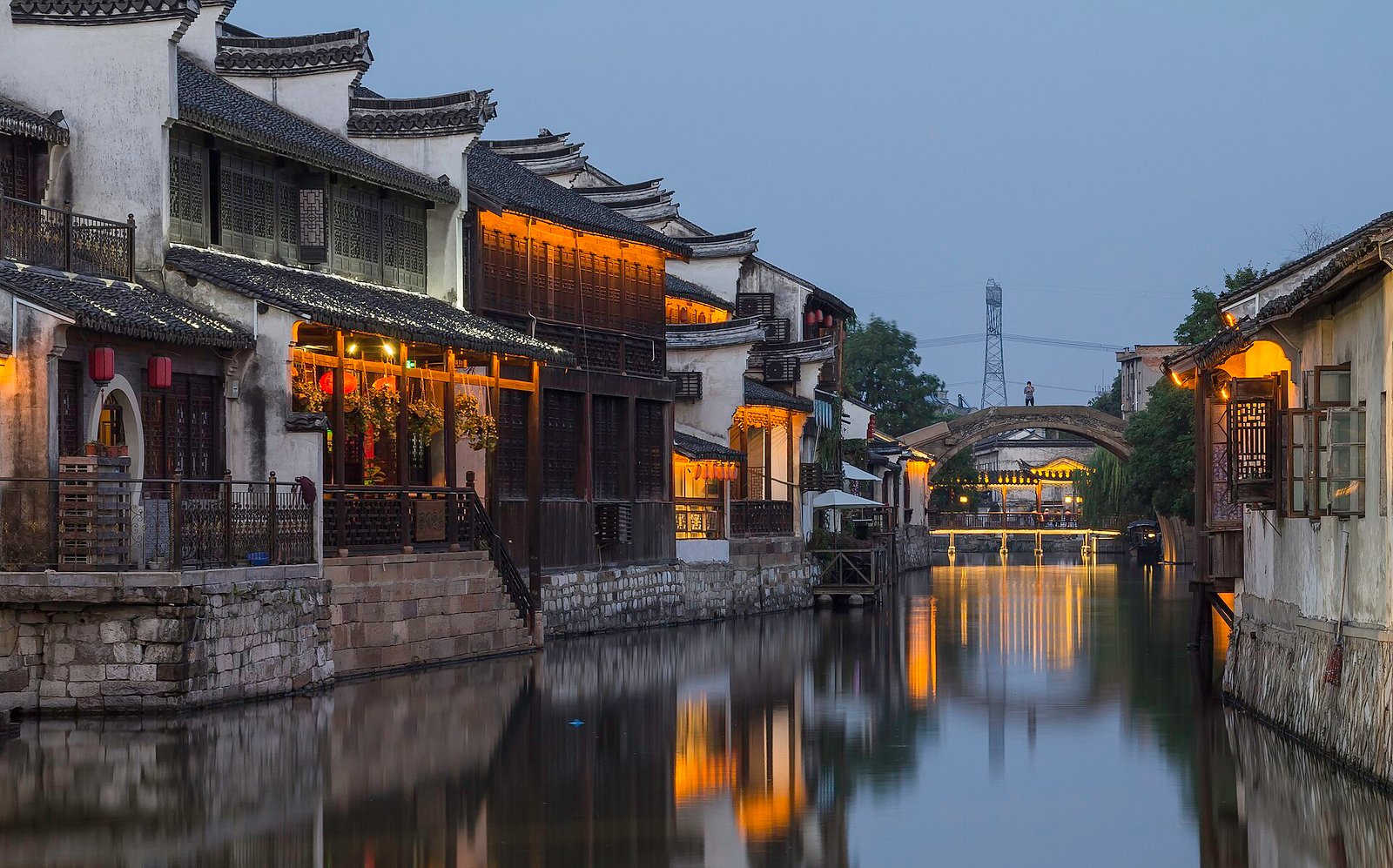
Xingping, an hour east by local bus, is the old river town that keeps its Qing- and Ming-era street plan and the bend in the water printed on the RMB 20 note. I went for the afternoon, rented a raft there for RMB 80, and wished I had stayed the night; the lanterns along the channel at dusk are the calmest scene in the whole valley. The bus runs until about 18:00, so plan the return or book a guesthouse and make it a two-town trip.
| Sight | How to reach | Cost (approx) | Best time |
|---|---|---|---|
| Li River bamboo raft | Dock north of town | RMB 100–150 | Before 09:00 |
| Moon Hill | Bike, 50 min south | RMB 30 | Morning |
| Big Banyan Tree | Bike, near Moon Hill | RMB 20 | Morning |
| Xingping old town | Bus or boat east | Free to wander | Late afternoon |
| Impression Liu Sanjie show | Theatre west of town | RMB 320+ | Night |
The Impression Liu Sanjie open-air show, staged on the river by director Zhang Yimou, is the splurge. Tickets start around RMB 320 and the seating matters; I sat mid-rear and the scale still landed. If your travels have included Beijing, think of this as the opposite of a Forbidden City visit — spectacle outdoors, no walls, no queue of dynasties.
What to eat
Yangshuo eats like the Guangxi countryside: beer fish (pijiu yu) is the local flag, a river fish braised in beer with chillies and tomatoes, and a good plate runs RMB 60–90 in a riverside restaurant or half that in a back-street joint. The version on West Street is tourist-priced; walk two lanes off it and the same dish drops and improves.
Breakfast is rice noodles again, but here the broth leans sour from pickled bamboo, a flavour that pairs well with the humidity. The night market behind West Street sells grilled river snails, sticky rice in leaves, and the osmanthus cakes that travel south from Guilin. A traveller who has read Chengdu explained will find Yangshuo’s heat gentle — more fragrance than fire.
For a broader southern eating context, all about changsha sits a few hours north by rail and turns the chilli up several notches, while how dali is really done describes a Yunnan table that shares Yangshuo’s love of fresh, lightly cooked produce.
How to get around
Yangshuo has no metro, and you do not need one. The bicycle is the right tool: rentals start at RMB 10 a day for a basic town bike and RMB 30–50 for an electric one that will carry you to Moon Hill without sweating through your shirt. I hired an e-bike for three days and it paid for itself against taxi fares by the second morning.
Buses run from the Guilin main station to Yangshuo in about 90 minutes for RMB 25–30, and the high-speed line now stops at Yangshuo station, a short bus ride north of the town centre. Within town, the electric carts and tuk-tuks charge RMB 5–10 for short hops, but I’d walk or ride wherever possible — the streets are flat and the scenery is the point.
If you are building a longer loop, Chengde Travel Guide makes an unlikely but pleasant bookend: an imperial retreat in the north against a peasant valley in the south, both about China’s landscape tastes. And for a vertical, noisy counterpoint after the calm, everything you need to know about chongqing is the logical next mega-city west.
Where to stay
The centre, near West Street, suits first-timers who want bars and easy food; the riverside guesthouses a kilometre south suit people who came for quiet and an early raft. Prices dip midweek to around RMB 150–250 for a decent double and climb on weekends, especially during the October holiday.
A Changchun visitor used to long northern winters will find Yangshuo’s mildness a shock — even January stays above freezing, and the hills stay green year-round. Book a room with a balcony if you can; the sunrise over the peaks is the alarm clock you will not resent.
The riverside guesthouses south of the centre are where I’d return. They cost little more than the West Street hotels but trade the late-night bass for frogs and the river’s soft current, and most lend bikes for free to guests. The trade-off is a ten-minute walk to dinner, which in Yangshuo is never a punishment — the path along the water is the prettiest part of the evening.
When to go
April to May and September to November are the clear, green months. Summer is hot and thundery, with afternoon storms that can halt the rafts for an hour. Winter is the quietest and cheapest, with misty mornings that photograph beautifully even if the water is cool. Avoid the first week of May and October for the same crowd reasons as Guilin.
Daily costs run RMB 250–400 with a budget room, noodles, bike hire and one paid sight; the show and the longer raft trips are the only real additions. As Wikipedia notes, the county’s economy turned early toward foreign tourism, which is why signage and bike hire are unusually traveller-friendly for a Chinese county town.
Money, safety and small practicalities
Yangshuo runs on a mix of cash and the local payment apps, but for travellers the easier path is a card at the ATM and small notes for the markets. The town has several ATMs near West Street; I pulled RMB 500 on arrival and topped up once. Cards are hit-or-miss at the back-street kitchens, so keep paper money for those.
The area is safe by any standard: I walked the riverside path alone at 22:00 with no concern beyond the occasional stray dog. The one real hazard is the e-bike traffic on the main approaches after dark, when the carts and scooters share the lane with pedestrians. Wear the helmet the hire shop gives you and keep to the left, as the locals do.
Mobile signal is strong and the mapping apps work, but download an offline map before you ride out to Moon Hill — the rural signal dips behind the peaks and a wrong turn adds an unwelcome climb. The guesthouses mostly offer Wi-Fi good enough for a video call, though the riverside ones can fade at peak evening use.
Frequently Asked Questions
How do I get from Guilin to Yangshuo? The high-speed train stops at Yangshuo station, then a local bus or taxi covers the last few kilometres. Buses from Guilin also run roughly every half hour and cost about RMB 25–30.
Is Yangshuo walkable or do I need transport? The town centre is walkable, but the countryside sights need a bike or e-bike. Hire one on arrival; it is the cheapest way to reach Moon Hill and the river docks.
What is the food speciality? Beer fish, a river fish braised in beer with chillies and tomato. Eat it away from West Street’s front line for a fairer price and a better plate.
When is the best light for photographs? Dawn, between 06:30 and 08:00, when mist sits in the hills and the rafts are not yet running. The RMB 20-note viewpoint near Xingping is best at first light.
Is it worth staying overnight or is a day trip enough? A day trip from Guilin is possible but rushed. Two nights lets you see the valley at dawn and dusk, which is when it actually earns the reputation.
Are there crowds? Yes in peak holiday weeks, but the valley is large and a bike gets you away from them fast. Midweek in the off-season, I often had a viewpoint to myself.