Best Places to Photograph in China
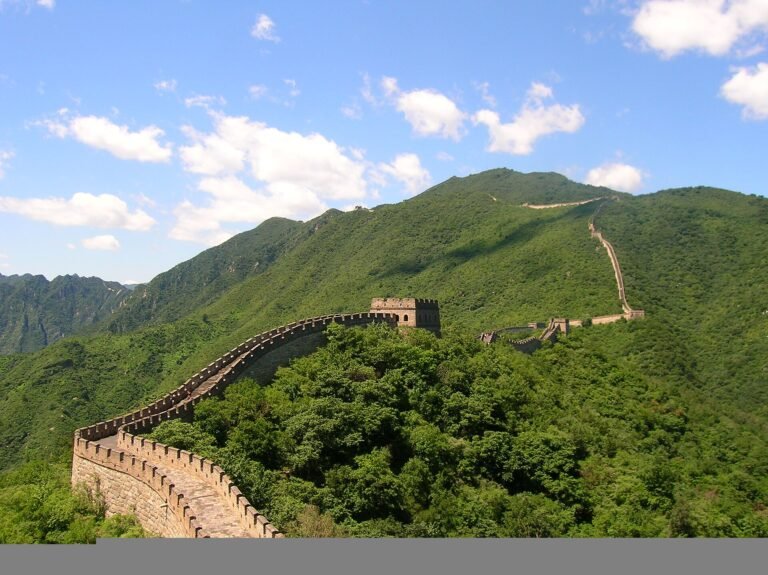
The first time I stood on the Jinshanling stretch of the Great Wall, I had misread the bus timetable and arrived at 6.40am instead of 5am. The sun was already up, the light was flat, and the famous sea of clouds had burned off. I learned the single rule that runs through every photo location in this country: the picture is made in the first ninety minutes after sunrise, and you lose it by sleeping in.
The wall at dawn: my Jinshanling mistake
Jinshanling sits 130km northeast of Beijing and is the quieter cousin of the restored Badaling section. When I finally returned and camped nearby, I paid the RMB 65 entrance at the east gate and walked the 40 minutes to the Watching-the-Capital Tower before first light. The towers line up in a way that gives you a natural leading line straight into the sun. A tripod is not optional here; the wind on the ridgeline is steady and long exposures blur otherwise.
I had the wall almost to myself until about 8am, when the day-trippers from Beijing coach tours began arriving. If you want the same emptiness, the logic is simple: stay in the village the night before, buy your ticket online to skip the queue, and be on the wall before the gate bus runs. For transport planning I lean on the offline maps and translation tools listed in Best Apps China Travel, which saved me when the only signs were in characters I couldn’t read.
Huangshan: pay for the cable car, earn the sunrise
Yellow Mountain in Anhui is the most crowded photo spot in China and still worth it if you time it. The cable car from the Yungu station costs RMB 80 one way and cuts an hour of steep climbing. I went up the evening before, slept at the Baiyun hotel near the summit (RMB 1,200 for a basic double in peak season — book early), and walked to the Bright Summit for a 5.20am sunrise in late June.
The famous “sea of clouds” shows up roughly 60% of mornings in November and February, less in the wet summer. If you’d rather not piece together trains, hotels and the cable car yourself, Best China Tour Companies covers operators that run Huangshan as a two-day trip from Shanghai.
Rivers and karst: Guilin and the Li River
The stretch of the Li River between Yangdi and Xingping is the image on the back of the old RMB 20 note. I took the public bamboo raft (RMB 95, about 90 minutes) at 7am and had the water to myself before the cruise boats from Guilin appeared. The karst peaks are at their best in the soft light of early morning fog; by 10am the haze flattens them.
For the wider month-by-month picture, all about best time to visit china explains why April and October give you the clearest air around Guilin. I used Book Hotels China to find a guesthouse in Xingping a three-minute walk from the raft pier, which meant I was on the water before the day-trippers from Yangshuo arrived.
Zhangjiajie and the rainbow mountains: two different problems
Zhangjiajie in Hunan throws you the opposite problem to the wall: too much vertical and not enough light at the bottom. The Avatar Hallelujah Mountain viewpoint fills with people by 9am. I took the Bailong elevator (RMB 65) up at opening (7.30am) and shot the sandstone pillars from Tianzi Mountain before the mist cleared completely. You want some mist, not none.
Zhangye’s Danxia landform in Gansu is a sunset location, not a sunrise one. The colour in the rock only reads when the low sun rakes across it, around 7pm in summer. Entry was RMB 74 when I went, and the four viewing platforms are reached by a shuttle bus that stops running at 8pm. Plan to be on Platform 4 at least 40 minutes before sunset.
| Spot | Best light | Ticket I paid | My arrival tip |
|---|---|---|---|
| Jinshanling Wall | Sunrise | RMB 65 | Stay in village, gate before bus |
| Huangshan | Sunrise | RMB 80 cable car | Sleep on summit night before |
| Li River (Yangdi–Xingping) | Morning fog | RMB 95 raft | 7am raft, beat cruise boats |
| Zhangye Danxia | Sunset | RMB 74 | Platform 4, 40 min before sunset |
Ancient villages: Hongcun before the coaches
Hongcun in Anhui, the village that inspired the painted backdrops in several Chinese period films, is a morning location. The central lake mirrors the old roofs best before 8am, when the coach tours from Huangshan park at the gate. Entry was RMB 104 when I went, and staying inside the village (a guesthouse room ran RMB 260) let me be at the water’s edge with a tripod by 6.30am. The famous crescent pond is small, so a wide lens and patience with the early mist gave me the frame; by mid-morning the reflections are chopped by passing tour groups.
I paired Hongcun with Huangshan in a single three-day loop, which is easier than it sounds if you let the mountain be day two and the village bookend it. The same rule that runs through this whole list — sleep inside the site, shoot at first light — is what separates the postcard from the crowd shot. I planned the rail and the village transfer with the same offline tools I mentioned earlier, and the only timed commitment was the cable car booking, which I made the night before on the scenic-area app.
Cities after dark: the Bund and the water towns
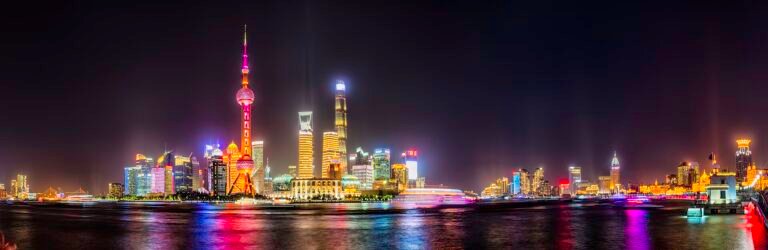
Shanghai’s Bund is the easiest win in the country. Stand on the west bank of the Huangpu and the Pudong skyline lines up across the water; blue hour (the 25 minutes after sunset) is when the buildings and their reflection balance. I shot at f/8, ISO 100, a 10-second exposure on a tripod, and the river smoothed into a mirror.
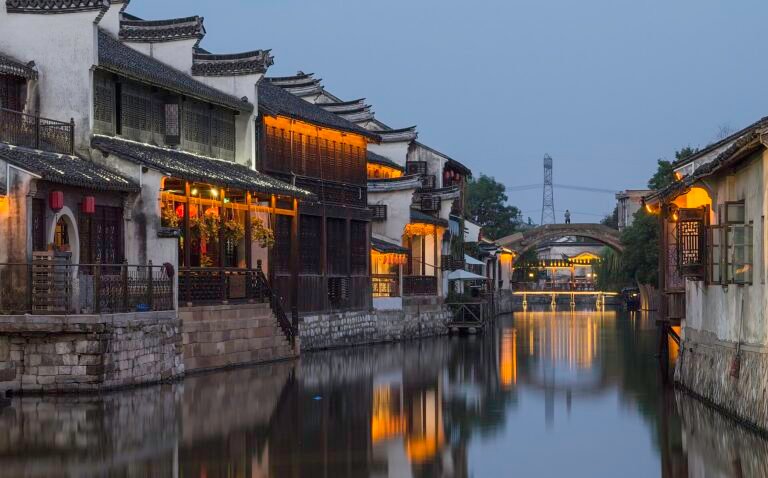
The water towns near Shanghai — Zhujiajiao, Wuzhen, Tongli — photograph better in rain. I went to Wuzhen on a wet Tuesday in March and the lanterns reflected in the canals gave me the best frames of the trip. A 30-second exposure turned the moving boats into ghosts and left the lit bridges sharp, which is the look these places are famous for. Arrive before the 9am opening and you’ll have the stone alleys to yourself for an hour. For a longer sweep that includes these stops, China 10 Day explained links several of them into one loop, and everything you need to know about china 2 week adds a slower route leaving time for dawn shoots.
What I’d tell a friend before they pack
Grey card and polariser first. The haze in central China eats contrast, and a circular polariser on the Li River and at Zhangjiajie made the difference between a flat postcard and a photo I actually print. Carry a power bank; my phone died at −6°C on Huangshan and I lost the summit sequence. And check the official site before you go — ticket prices and cable-car hours change, and I’m not going to promise the RMB figures above will hold.
If you’re travelling with an older parent or anyone who can’t manage the wall’s steps, how china accessible travel is really done has notes on step-free viewpoints at the easier sections. As Wikipedia notes, tourism in China has grown into one of the largest domestic travel markets in the world, which is exactly why the headline spots get crowded and why the early hours matter.
Frequently Asked Questions
Do I need a permit to photograph these places? No permit is needed for the public sites listed here — the wall, Huangshan, the Li River, the cities. Restricted military zones exist near borders, so don’t point long lenses at obvious defence installations. When in doubt, ask a ranger.
What’s the single best month for clear photos? October. The summer haze has cleared, the autumn light is low and warm, and the National Day crowds thin out after the first week. April is the runner-up, especially around Guilin and the water towns.
Can I fly a drone? Strictly limited. Most scenic areas — Huangshan, Zhangjiajie, the Bund — ban drones outright, and Beijing’s airspace is tightly controlled. Check the local rules on site; I left mine at home for this trip and didn’t regret it.
How early should I actually wake up? For sunrise spots, be in position 30–40 minutes before the sun clears the horizon. That meant a 4.15am alarm on Huangshan and a 5am start at Jinshanling. The flat, grey light an hour later is not the same picture.
Is it worth hiring a local guide for the light? For the wall and the water towns, no — you can self-guide with offline maps. For Zhangye and Zhangjiajie, a guide who knows the shuttle timing saves a full wasted hour, and that hour is often the difference between mist and bare rock.
What camera gear is overkill? A heavy super-telephoto. Most of these frames are wide or mid-telephoto; I shot 16–70mm most days. The tripod and the polariser did more work than any lens I left at home.