Why Liuzhou Deserves More Than a Day Trip
I gave Liuzhou one night on a rail map and very nearly made it one morning. The train from Guilin put me down just after seven, and I walked towards the river assuming I would see the famous hills, take one photograph, and move on. What I found instead was a city that refuses to be skimmed: a loop of brown water wrapped in more than twenty bridges, limestone peaks rising straight out of the centre, and the smell of a noodle soup that had followed me two streets before I worked out where it came from.
Liuzhou sits in the middle of Guangxi, well away from the postcard routes that pull most people to Guilin and Yangshuo. It grew into an industrial centre on the Liu River — as Wikipedia notes, that identity is precisely why so many visitors treat it as a stopover rather than a place in its own right. I would correct that. Give it two full days, wear shoes you don’t mind getting wet, and the city starts to show a rhythm a day-tripper never sees. Travellers arriving straight from Beijing notice the same thing: the scale here is human, and nothing towers except the hills.
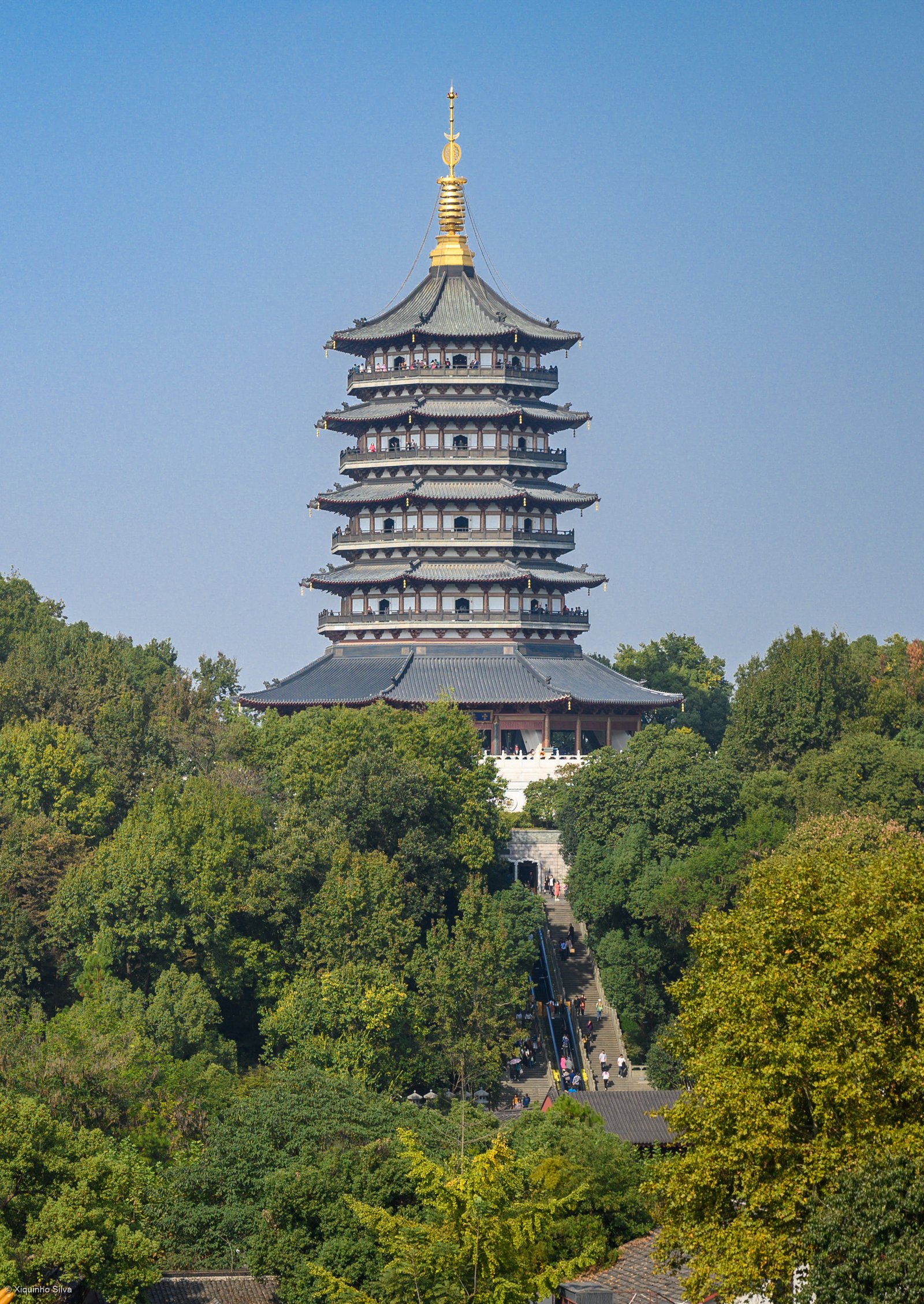
Getting your bearings: a city built around water
Start by understanding the shape of the place, because it saves a lot of wrong turns. The Liu River bends around the old centre in a broad loop, and the streets inside that loop are the ones worth walking. Cross a bridge and you are in a newer, wider district of malls and apartment blocks; stay inside the loop and you are among market lanes, old teahouses and the best of the food.
Liuzhou is nicknamed the “city of bridges”, and the claim is not marketing — there are well over twenty within the urban area, including some striking cable-stayed spans lit up after dark. Once you notice the variety you start spotting a new design every time you cross. The river path is the simplest orienteering tool: follow it far enough in either direction and you hit a hill or a park.
The climb I got wrong
On my first afternoon I walked up Ma’anshan in the midday heat, which was a poor decision. It is the obvious peak to climb for a view over the city, roughly a twenty-minute ascent from the riverside on a stepped path, and at noon there is very little shade. There is also a cable car and an observation lift on the developed side if your legs or the weather argue against stairs; ticket prices and operating hours change, so check the official site before you go rather than trusting a number in an old guidebook.
The reward is the same whichever route you take. From the top you see the river making its loop, the dense grid of the centre, and the softer green of the hills beyond — the reason Liuzhou is often described as an industrial city set in a landscape. Go an hour before sunset instead. I returned the next evening, found a bench, and watched the bridges light up one by one. The landscaped paths and pavilions here put me in mind of the imperial gardens covered in the Chengde Travel Guide, though on a much smaller, more local scale.
Liu Zongyuan and the shade of Liuhou Park
If Ma’anshan is the view, Liuhou Park is the memory. It sits in the centre of town and commemorates Liu Zongyuan, a Tang dynasty official exiled here in the ninth century, who is still spoken of locally with a warmth usually reserved for a favourite uncle. The park’s memorial hall, the Liuhou Shrine, holds steles and inscriptions connected to him, and the surrounding grounds are full of old banyan trees, quiet ponds and groups of retired men playing cards. It costs little or nothing to enter the grounds, though check the official site before you go for current opening details of the hall.
What I liked most was how ordinary the park felt. This is not a monument kept behind ropes; it is where people bring their children and their thermos flasks. If you want a second green space, Longtan Park lies south-west of the centre and is free to walk around, with a karst lake, bamboo and hills that feel surprisingly remote for something so close to a busy road. It is the better choice if you have already done the historic ground and just want air.
Bowls, smoke and the luosifen question
Let us address the smell, because it is the first thing everyone mentions. Luosifen is rice noodles in a broth made from river snails, sharpened with pickled bamboo shoots, chilli oil and a handful of other aromatics. It is sour, salty, spicy and funky all at once, and the pickled bamboo is what gives it the notorious aroma that lingers on clothing. A basic bowl in a neighbourhood shop runs around RMB 8 to 15, often with extra toppings such as fried bean curd, peanuts or a boiled egg for a few yuan more. My advice is to order the smallest version first and eat it at the stall while it is hot.
Wuxing Commercial Street and the lanes behind it are the easiest place to start, but the bowls get better the further you drift from the shopping crowds. I found my favourite in a narrow side street, boiled to order and served on a plastic stool. Liuzhou is also a good city for a general night-market crawl: grilled squid, fruit stalls and sweet rice cakes appear after about 19:00. If you already know all about changsha, you will recognise the same love of bold, sour-spicy flavours, though Liuzhou does it with river ingredients rather than pure chilli heat. Anyone who has read Chengdu explained will find the snack-hunting habit just as rewarding here.
One day or two: how to spend your time
The single most useful decision you will make is how long to stay. This is my honest comparison after doing it both ways:
| Plan | What you can realistically cover | What you miss |
|---|---|---|
| Half-day stopover | One hill viewpoint, a quick bowl of luosifen, a river photo | The parks, the night markets, any sense of the city’s pace |
| One full day | Ma’anshan at dawn, Liuhou Park, a proper noodle lunch, one evening by the river | The Dong villages and the slower neighbourhood food streets |
| Two full days | Everything above, plus Longtan Park or Sanjiang, and two different evening meals | Very little — this is the sweet spot |
The jump from one day to two is the best value in a Guangxi itinerary. A single day feels rushed because the hill, the park and the food lanes sit around the river loop, and you spend half of it deciding what to skip. With two days you can climb at the right hour, linger in Liuhou Park and still have an evening for the street food. That is the difference between seeing Liuzhou and having visited it.
When the city empties out: Sanjiang and the Dong villages
Given a second full day, get out of the urban centre. Sanjiang Dong Autonomous County lies north of Liuzhou and is reachable by bus or by a local train in roughly two hours, depending on the service you catch. The villages around Chengyang are the classic target: wooden houses on stilts, drum towers and covered “wind and rain bridges” that double as meeting places. These are living communities rather than staged theme parks, and a few hours of walking gives you a completely different picture of the region. Check the official site before you go for the current combined-ticket price, since village entry is often bundled.
I went with low expectations and came back with a strong preference for the early-morning mist over the rice fields. It is a slower, quieter day than the city, and it explains why Liuzhou’s food has so much in common with the cuisines of eastern Guizhou. Readers looking for a wider view of river-city travel will find everything you need to know about chongqing a useful contrast: that city is a cascade of levels, while Liuzhou stays stubbornly flat and walkable. If what you actually crave is a base for slow days in the hills, how dali is really done covers a very different tempo.
Practicalities: getting here and getting around
Liuzhou is easy to reach by high-speed rail. Regular trains run from Guilin in roughly fifty minutes and from Nanning in about two and a half hours, which makes it a natural stop on a Guangxi loop. Liuzhou station sits close to the river and the central hotels, so you can walk or take a short taxi to most of the places described above. There is also an airport with flights from major Chinese cities, though for most visitors the train is simpler and the airport transfer eats into a short stay.
Inside the city I used a mix of walking, cheap ride-hailing and the occasional bus to Longtan Park. A short taxi ride across the centre rarely cost more than RMB 20, and fares in general are modest compared with the big coastal cities. Coming from Changchun in the far north, I found the humid subtropical air a shock in summer — Liuzhou is genuinely hot and wet from June to August. The best months are October to December, when the days are dry and clear, and March to May for greener hills and fewer crowds. Ticket prices and opening hours throughout the city change with the season, so check the official site before you go.
Frequently Asked Questions
Is Liuzhou worth visiting on its own, or only as a stopover? On its own, provided you give it two days. The parks, the hill view and the Sanjiang villages need proper time. The city is relaxed, cheap and unusually walkable for China.
How long does it take to climb Ma’anshan? Around twenty minutes on foot from the riverside path, more if you stop often. There is a cable car and an observation lift if you prefer not to climb. Go early morning or an hour before sunset; midday is hot and the light is flat. Check the official site before you go for current ticket prices.
What exactly is luosifen, and will I like it? It is rice noodles in a river-snail broth with pickled bamboo shoots, chilli and aromatics. It is sour, spicy and strongly scented. Order a small bowl at a stall first, add toppings you like, and judge it while it is hot. Most people who dislike it object to the pickled bamboo smell, not the taste.
Can I use English or card payment in Liuzhou? Large hotels and some restaurants take cards, but small noodle shops and market stalls are cash or phone-payment only. Set up a Chinese payment app before you arrive. English is limited outside hotels, so a translation app and a few saved place names in Chinese are genuinely useful.
What is the best month to visit Liuzhou? October to December is the safest bet: dry, mild and clear. Spring, from March to May, is green but wetter. Avoid July and August if you dislike heat and heavy rain, and check the official site before you go during public holidays.