Things to Do in Zhangjiajie, and the Ones Locals Actually Recommend
I still remember the first morning I stepped out of the hotel in Wulingyuan and could not see ten metres ahead. The mist had dropped overnight and the quartz pillars were simply gone, swallowed into grey. A woman selling umbrellas laughed at my face and said, “You came for the clouds and now you complain about them.” She was right. Zhangjiajie does not perform on schedule, and the sooner you make peace with that, the better your trip becomes.
Most visitors arrive with one image fixed in their head: the floating peaks from the film Avatar. As Wikipedia notes, the area’s proper name is Zhangjiajie National Forest Park, part of the wider Wulingyuan protected zone, and the sandstone columns there are what gave the Hallelujah Mountains their shape. What surprises people is the scale. These are not decorative rocks. They are sandstone columns hundreds of metres tall, worn into narrow towers by roughly three hundred million years of rain, and on a clear day they fill the whole frame.
What the quartz pillars actually look like
The geology is the point. Zhangjiajie sits on quartz sandstone laid down in shallow lakes, then pushed up and sliced by water and frost into the spires you see today. There are more than three thousand of them across the Wulingyuan protected area, and that protected area is the reason most people come. Wulingyuan is a loose name for several connected scenic zones, and the entry pass covers a large chunk of them over multiple days. Prices and opening times shift, so check the official site before you go, but plan for a multi-day ticket rather than a single morning — you cannot do this place justice in one visit.
The pillars change character through the day. At dawn they stand sharp and separate. By mid-morning the cloud rolls in from the valleys and they become half-submerged islands. I used to think the mist ruined photos. It does not. It turns a postcard into something stranger and better, provided you stop fighting it.
Tianzi Mountain and Yuanjiajie: the Avatar peaks
Tianzi Mountain sits on the western ridge and gives you the wide, layered view — row after row of peaks fading into the distance. The cable car up is long and steady, and on a clear day the top platform is the single best panorama in the park. Yuanjiajie is the other headline zone, and it is the one that actually matches the film. The “Hallelujah Mountains” viewpoint is a short walk from the shuttle stop, fenced and busy, but the shape in front of you is unmistakable.
Get there early. The shuttles from the Wulingyuan gate start running not long after first light, and the difference between an 8am arrival and a 10am arrival is the difference between a photograph and a crowd of selfie sticks. I once watched the entire viewpoint clear in about twenty minutes when a tour group’s coach left — then fill again ten minutes later. Timing is everything.
The glass-bottom bridge — and whether to bother
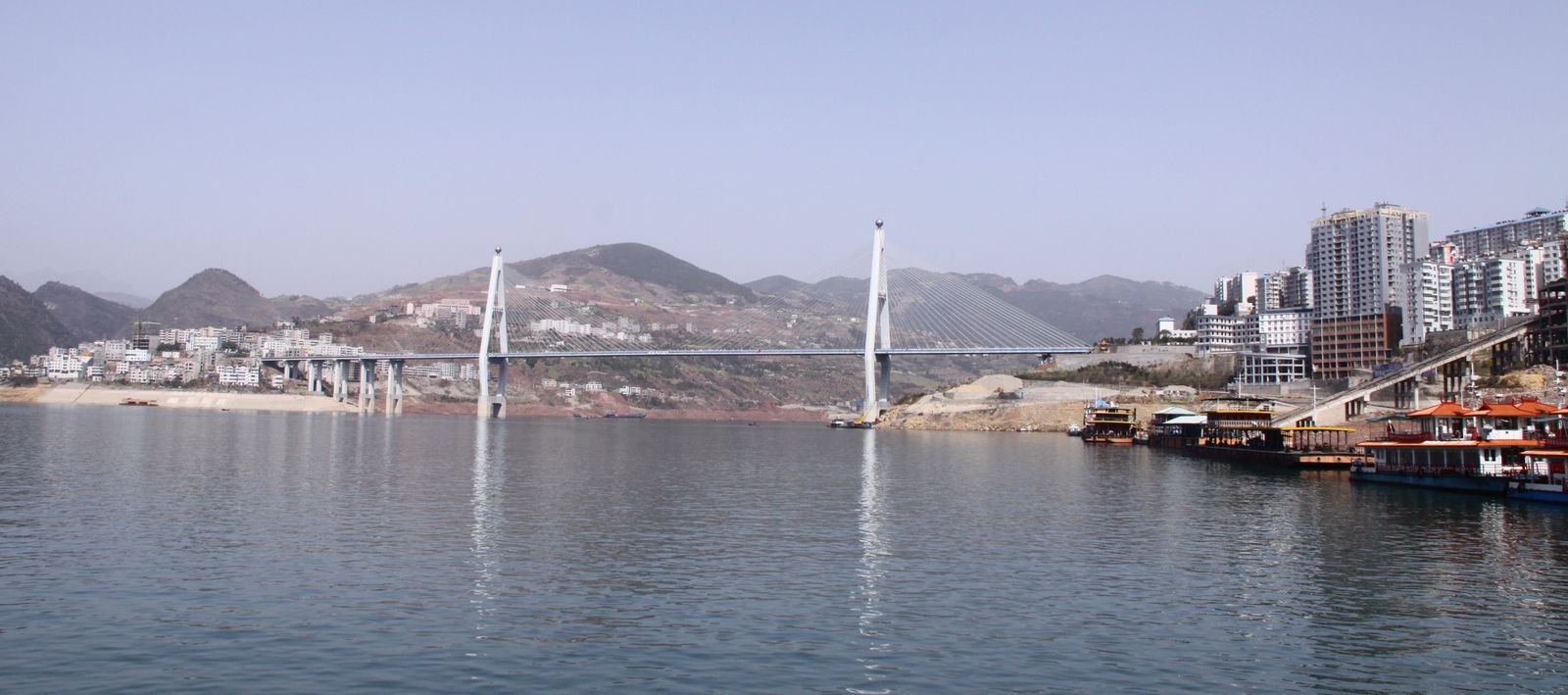
The glass bridge spans the Zhangjiajie Grand Canyon, well outside the main Wulingyuan gates. It is a separate ticket, a separate journey, and a separate decision. If you are afraid of heights, it is genuinely unnerving: a clear floor, a deep gorge, and usually a wind that makes the whole span flex slightly. If you are not, it is a few minutes of spectacle and a lot of queuing.
My honest take: do one, not both, if your time is short. The Grand Canyon is pretty but the pillars are the real draw, and the bridge eats a half-day you could spend deeper in Wulingyuan. Locals I spoke with treat the bridge as the thing you do once for the story, then skip. The photo is good; the memory of the queue is less so.
Tianmen Mountain and its cable car
Tianmen Mountain is a different animal from Wulingyuan and sits near the city of Zhangjiajie itself, not the Wulingyuan gate. The cable car from town is one of the longest in the world and climbs straight up the cliff face — sit on the left going up for the better view. At the top there is a walkway bolted to the rock, a glass section if you want it, and the famous “Heaven’s Gate” arch cut into the mountain, reached by a long staircase or a shuttle.
This is the easier day out if you are based in the city and do not want the early shuttle to Wulingyuan. It is also more exposed to weather, so if the forecast is poor, save it for a clearer slot and prioritise the pillars. I treated it as my recovery day after two hard mornings in the park, and it fitted that role perfectly.
Where locals actually send their own visitors
Ask a Zhangjiajie resident what to see and the answer is rarely the famous three. They point you to the quieter ridges above the standard shuttle loops, to the forest walks near Jinbian Stream where the monkeys have learned to beg, and to the small temples tucked between the peaks. One taxi driver told me the best view in the whole park is from a side path most maps do not mark, near the eastern gate, and he was not wrong — I had it to myself for an hour.
The other local habit is to slow down. Tour groups move in tight loops: gate, shuttle, viewpoint, photo, shuttle, gate. If you stay inside the park past the afternoon exodus, the paths empty and the place becomes what it actually is — a vast, quiet forest with stone towers. That is the version worth the flight.
Fitting Zhangjiajie into a longer China trip
Most overseas visitors do not come to Hunan alone. The usual gateway is Changsha, the provincial capital, three to four hours away by high-speed rail, and all about changsha covers the food and nightlife that make the stop worthwhile. From there the rail network opens up the rest of the country, and the patterns are fairly fixed.
Plenty of people begin their China trip in Beijing, and a Chengde Travel Guide is worth a look if you want the mountain resort and temples just outside the capital. Further west, Chengdu explained and everything you need to know about chongqing both sit on natural rail lines from Hunan and make easy additions.
I have also seen strong routes swing south to how dali is really done in Yunnan for a slower, warmer counterpoint. Others go the other way entirely, north-east to my notes on dalian and on to Changchun for the colder, quieter edge of the country. None of this is required — Zhangjiajie stands on its own — but the connections are smooth enough that you would be odd to ignore them.
When to go, and how long to stay
Spring and autumn are the dependable choices: mild, green, and less prone to the summer downpours that close paths. Summer brings heat and crowds; winter brings occasional snow on the peaks, which is spectacular but slipperier underfoot. I would not plan less than two full days inside Wulingyuan, with a third if you want Tianmen Mountain as well.
Here is the comparison I wish someone had given me before I booked:
| Option | Best for | Time needed | Crowd level | My verdict |
|---|---|---|---|---|
| Wulingyuan core (Tianzi + Yuanjiajie) | The iconic peaks, Avatar view | 2 full days | High at midday | Essential — do not cut this |
| Tianmen Mountain | Easy city-base day, cable car thrill | 1 day | Medium | Worth it if you stay in town |
| Grand Canyon glass bridge | The story and the photo | Half day | Medium–High | Skippable if time is tight |
| Side ridges and Jinbian Stream | Quiet, local feel | Flexible | Low | The real reward if you linger |
The short version: spend your energy on the core, add Tianmen if convenient, treat the bridge as optional, and leave room to wander.
Frequently Asked Questions
How do I get to Zhangjiajie from Changsha? High-speed rail runs from Changsha to Zhangjiajie city in roughly three to four hours; from there a bus or taxi takes you to the Wulingyuan gate. Frequencies change, so check the official site before you go and book the train in advance during holidays.
Do I need more than one day in the park? Yes. The protected area is large and the shuttle system means a single zone can take half a day. Two full days lets you see Tianzi Mountain and Yuanjiajie without rushing, and a third covers Tianmen Mountain.
Is the glass-bottom bridge safe? It is engineered and regularly inspected, but it is high and exposed. If you are uneasy with heights, you can walk the Grand Canyon paths without stepping onto the glass section. Weather closures happen, so confirm on the day.
When is the best time to avoid crowds? Arrive at the gates at opening and target the headline viewpoints before 9am. Weekdays outside Chinese public holidays are noticeably calmer. Spring and autumn are the most comfortable seasons.
Will I always see the peaks, or does the mist hide them? Mist is common, especially in the early morning and after rain. Some days the pillars stay hidden for hours. Build a buffer day if photography matters, and treat the cloud as part of the scenery rather than a spoiler.
Can I visit Zhangjiajie as a day trip from another city? Not realistically. The nearest major base is Changsha, several hours away by rail, and the park itself needs two days. Treat it as a destination, not a stopover.